Former Anglo chief David Drumm released from prison
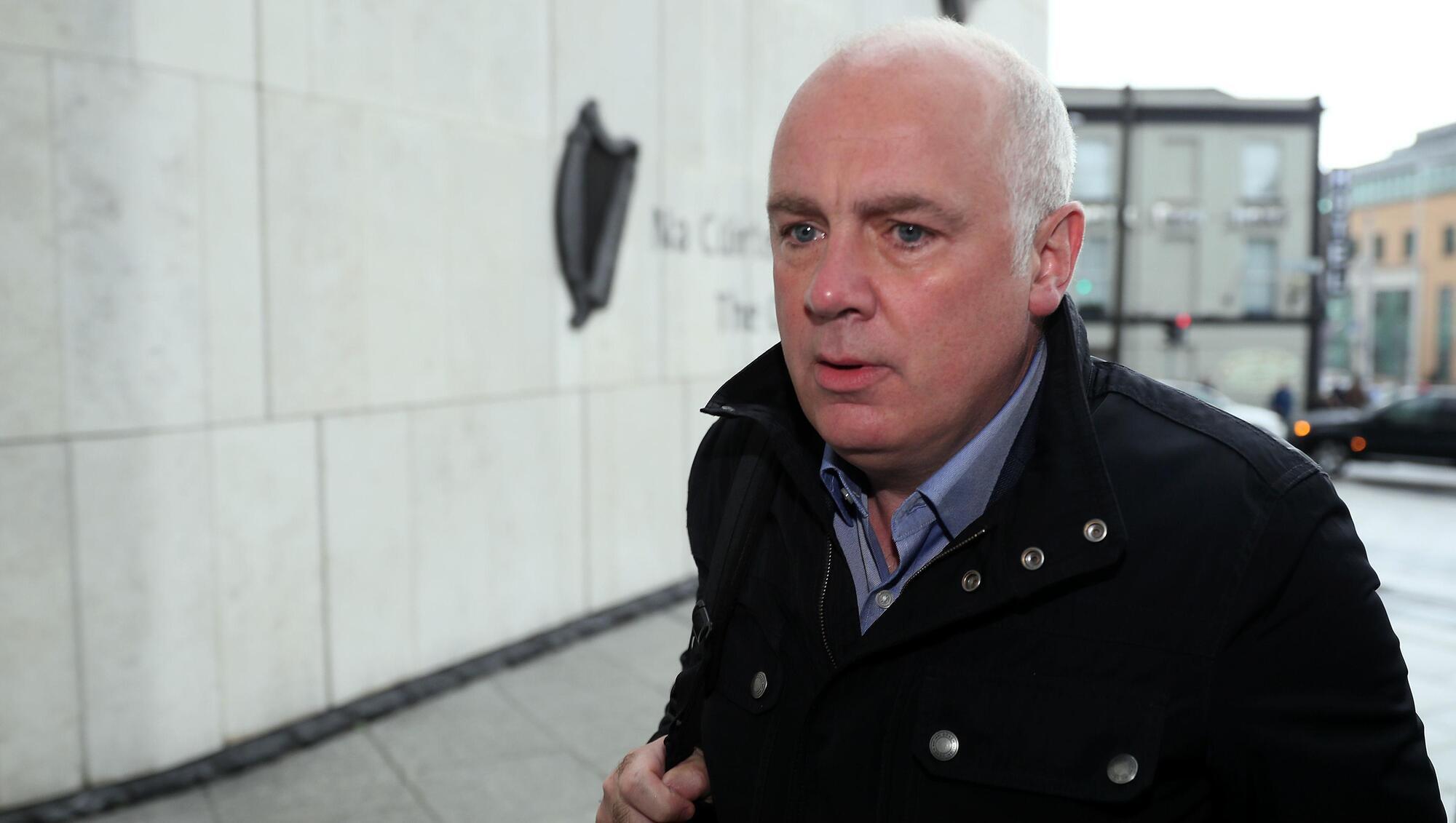
Former Anglo Irish Bank executive David Drumm who has been released from prison. File picture: Brian Lawless/PA Wire
Former Anglo Irish Bank chief executive David Drumm has been released from prison. The former chartered accountant was released from Loughan House low-security prison in Co Cavan this morning.
Mr Drumm was sentenced to six years in prison in June 2018.
He was convicted of conspiracy to defraud and false accounting after arranging dishonest and fraudulent multibillion-euro transfers to boost the books of the failed bank in the months before Anglo Irish imploded in 2008.
At the time, Judge Karen O’Connor said Drumm would be given credit for the five and a half months he served in custody in the United States during his extradition to Ireland in 2015.
Anglo was taken into state control in January 2009 following a run on its deposits and plummeting share prices.
Bailing out Anglo cost Irish taxpayers billions of euro.
The judge said Drumm was being sentenced for the two offences he had been convicted of, and not for Ireland’s financial collapse.
“This court is not sentencing Mr Drumm for causing the financial crisis. Nor is this court sentencing Mr Drumm for the recession which occurred,” she told the court.
The judge went on to tell the court she was of the view that eight years’ imprisonment was the “appropriate headline figure”.
But the judge said: “Taking into consideration the mitigating factors, this court is going to impose a sentence of six years’ imprisonment in relation to counts one and two.”
Drumm was convicted in connection with the €7.2bn fraud following a trial that lasted more than 80 days.
He had denied conspiring to “dishonestly” create the false and misleading impression that deposits in 2008 were €7.2bn larger than they were as well as knowingly presenting the false figures to the market in December 2008.
However, he was found guilty of two offences, conspiracy to defraud contrary to common law, and false accounting contrary to section 10 of the Criminal Justice (Theft and Fraud Offences) Act 2001.
The judge said the second offence flowed from the first, and that the jury rejected submissions made on behalf of Drumm and convicted him unanimously.
CONNECT WITH US TODAY



Be the first to know the latest news and updates