'Melanoma can spread quickly': Campaign urges public to get health concerns checked
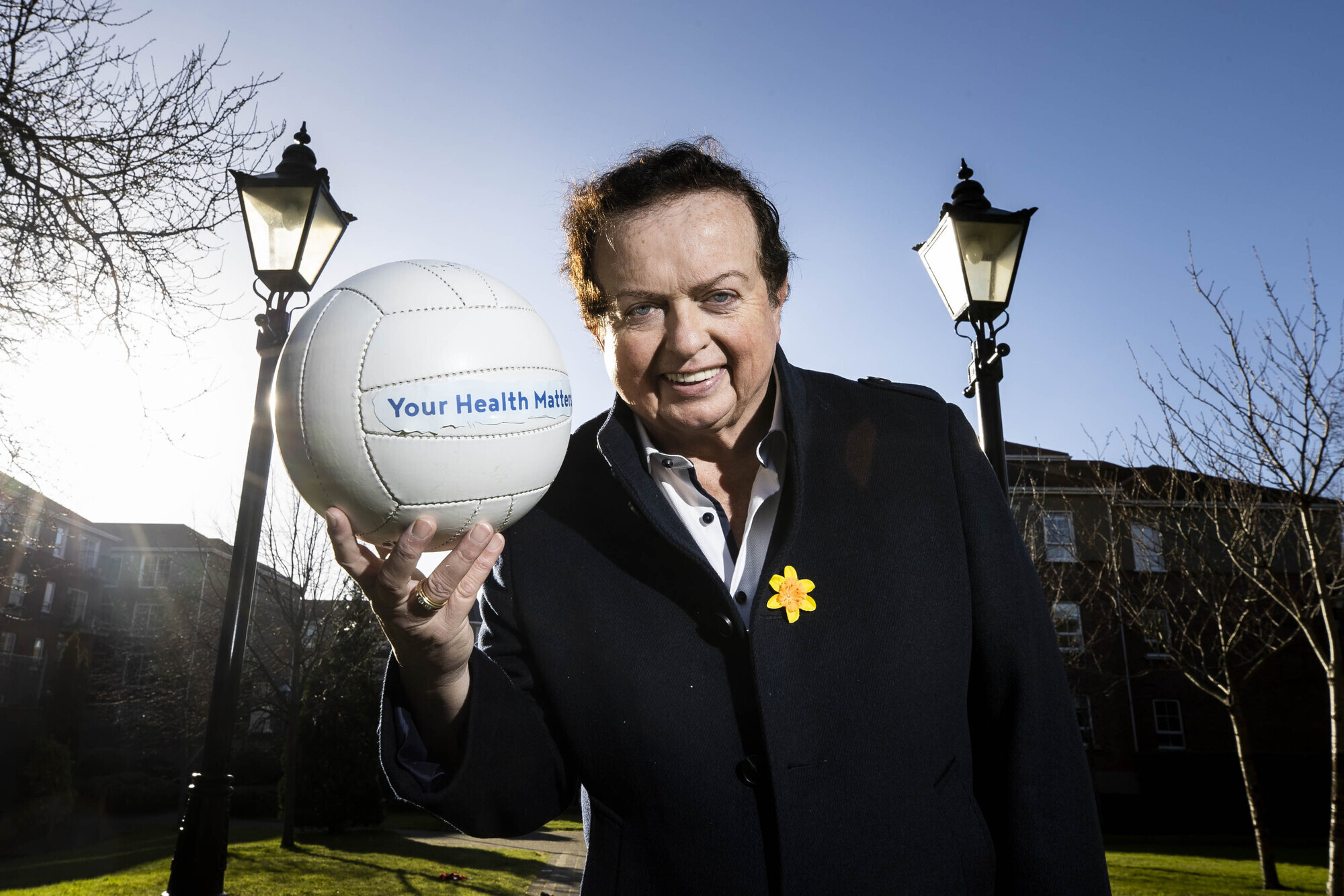
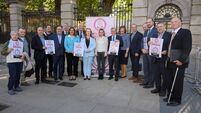
The Your Health Matters campaign is being backed by sports commentator Marty Morrissey. Picture: Andres Poveda
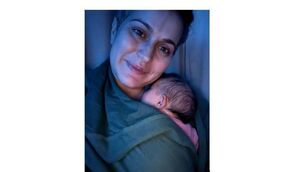
A 46-year-old woman who underwent skin cancer treatment during the Covid-19 pandemic has highlighted the importance of early detection as part of an Irish Cancer Society campaign urging people to contact their doctor if they are concerned about symptoms that may indicate cancer.
The Your Health Matters campaign, which is being backed by sports commentator Marty Morrissey, aims to “increase awareness of the importance of early detection and encourage those concerned about symptoms to contact their doctor” ahead of World Cancer Day on Thursday.
Research commissioned by the Irish Cancer Society late last year found that one in four people did not attend a GP or hospital appointment when they needed to during the first lockdown.
Reasons included not believing their condition was serious enough, fear of contracting Covid-19 or their appointment was cancelled.
Jane Jackson is urging people to contact their doctor if they have concerns. She has commented on the importance of early detection, saying that it was her dental hygienist who first spotted a mole on the back of her neck.
“She suggested I have it looked at, but after speaking with my husband, Roy, we both agreed to keep an eye on it, as we thought it looked fine.
“However, some months later Roy noticed it had started to change so I made an appointment to see my GP. Despite the pandemic, I was seen the same day I made the call.
“The GP immediately made an appointment for me days later at the dermatology department of the local hospital. I was anxious about how seriously the GP was taking this, and I was also very worried about going to the hospital in the middle of the health crisis.
It was decided at that appointment that the mole be removed immediately and sent for testing.” Ms Jackson said that “days later” she was told that the mole “was a cancerous melanoma and that I had stage 1b skin cancer”.
She said: “I cried when I was told. My doctor was so kind and apologised for her mask and that social distancing meant she couldn't comfort me and that I couldn't have someone with me.
“Since then I’ve undergone further testing and had more skin and lymph nodes removed. I now have to have full skin checks every 12 weeks as there is a 70% chance of recurrence”.
Ms Jackson has urged people to go to their doctor they are concerned about symptoms.
“Melanoma can spread quickly, so I’m glad it was caught when it was, but if I had acted when the mole was first noticed I could have saved myself a lot of pain and anxiety.
“Once you make the call your doctor will start the process for you. They’ll make sure you receive the treatment you need, regardless of the current situation. All you have to do is pick up the phone.”
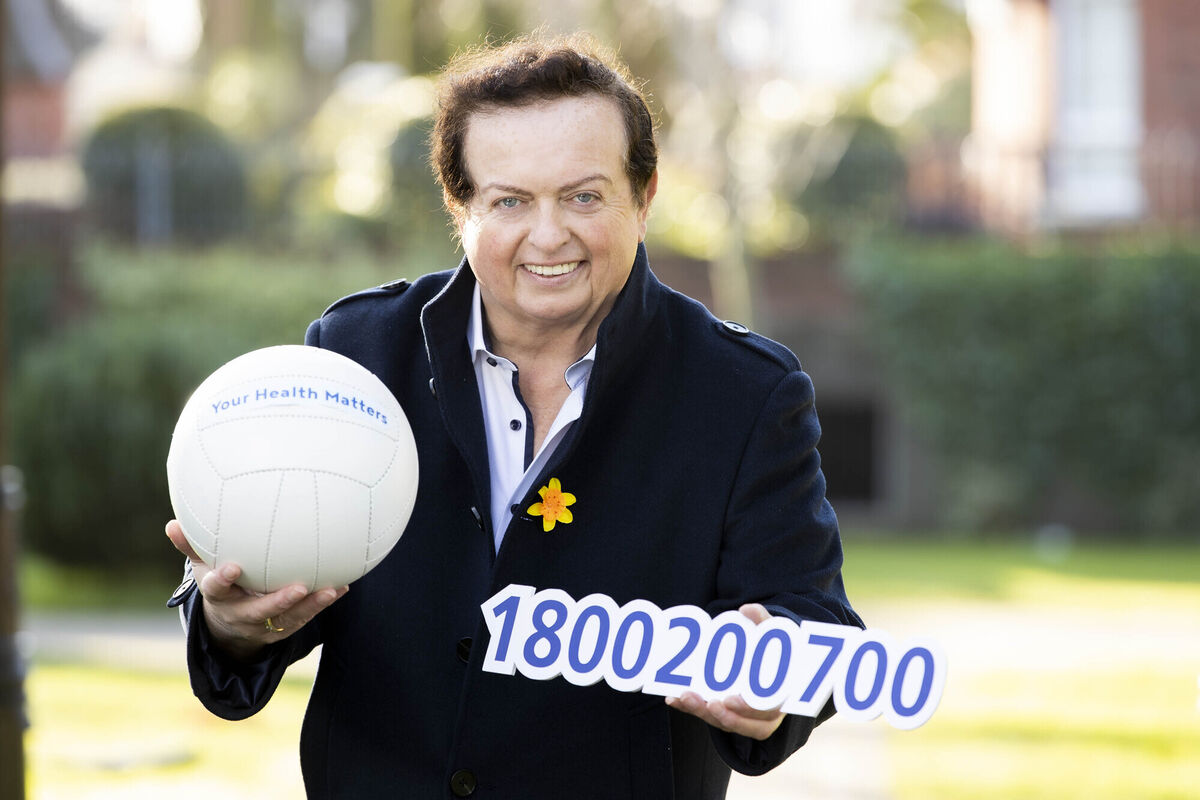
Commentator Marty Morrissey said that it is important that people get checked out if they notice something isn't right.
“I don't know about you but my guess is, most of us are the same. Maybe we noticed something that doesn’t feel right but instead of contacting our doctor, we put it on the long finger hoping it will go away on its own,” he said.
“But this year, even with everything that's going on, it's important to check it out.
“If it's clear that's fantastic but if it's not, an early diagnosis could make all the difference.
“Don't delay in contacting your doctor, they'll want to hear from you. Or try calling the Irish Cancer Society Support Line to speak to a nurse.
“Your health matters and so do you. Please...Make your health a priority”
Kevin O’Hagan the Cancer Prevention Manager and the Irish Cancer Society said they are concerned that due to the challenges of the pandemic, people might be diagnosed with cancer at a later stage.
He said: “Feeling stressed, isolated, anxious or busy home schooling, may prevent people from contacting their doctor.
“But it’s important to put your health first and if you have any niggling worries about changes to your body, that you contact a doctor.
“Don’t think twice about it and pick up the phone to your doctor today. If you are unsure about what you should do in these challenging times, call the Irish Cancer Society.
“We are here for you and on standby whenever you need help, support or guidance.”
A GP advisor at the National Cancer Control Programme said they are “working hard to make sure that anyone who is worried about any sign or symptom of cancer is seen, despite the pandemic”.
GP Dr Una Kennedy said: “There are many challenges but detecting cancer early is a priority, and we are making sure that those who need it are receiving it.
“Please do not hesitate in contacting your doctor’s surgery if you have any questions. Maybe something doesn’t feel quite right or you have concerns about attending a clinic or a hospital appointment.
“Even though there is increased pressure on our health services, ensuring potential cancers are detected as early as possible is as much of a priority now as it has ever been.
“We are worried that people are delaying contacting their doctor if they have symptoms which could be cancer.
“We certainly don’t want this to happen. Your health matters. If a loved one told you about a suspicious looking change to their skin, a lump or abnormal bleeding would you tell them to delay contacting their GP? We want to hear from you.”
The Irish Cancer Society has said that early detection is crucial to the successful treatment of cancer.
"Contact your GP today to arrange an appointment. If you have difficulties getting through to your GP call the Irish Cancer Society’s Support Line on 1800 200 700 to speak with a registered nurse. Visit www.cancer.ie for more information."

CONNECT WITH US TODAY



Be the first to know the latest news and updates