Taoiseach 'does not see a major reopening of the economy' on March 5
Taoiseach 'does not see a major reopening of the economy' on March 5

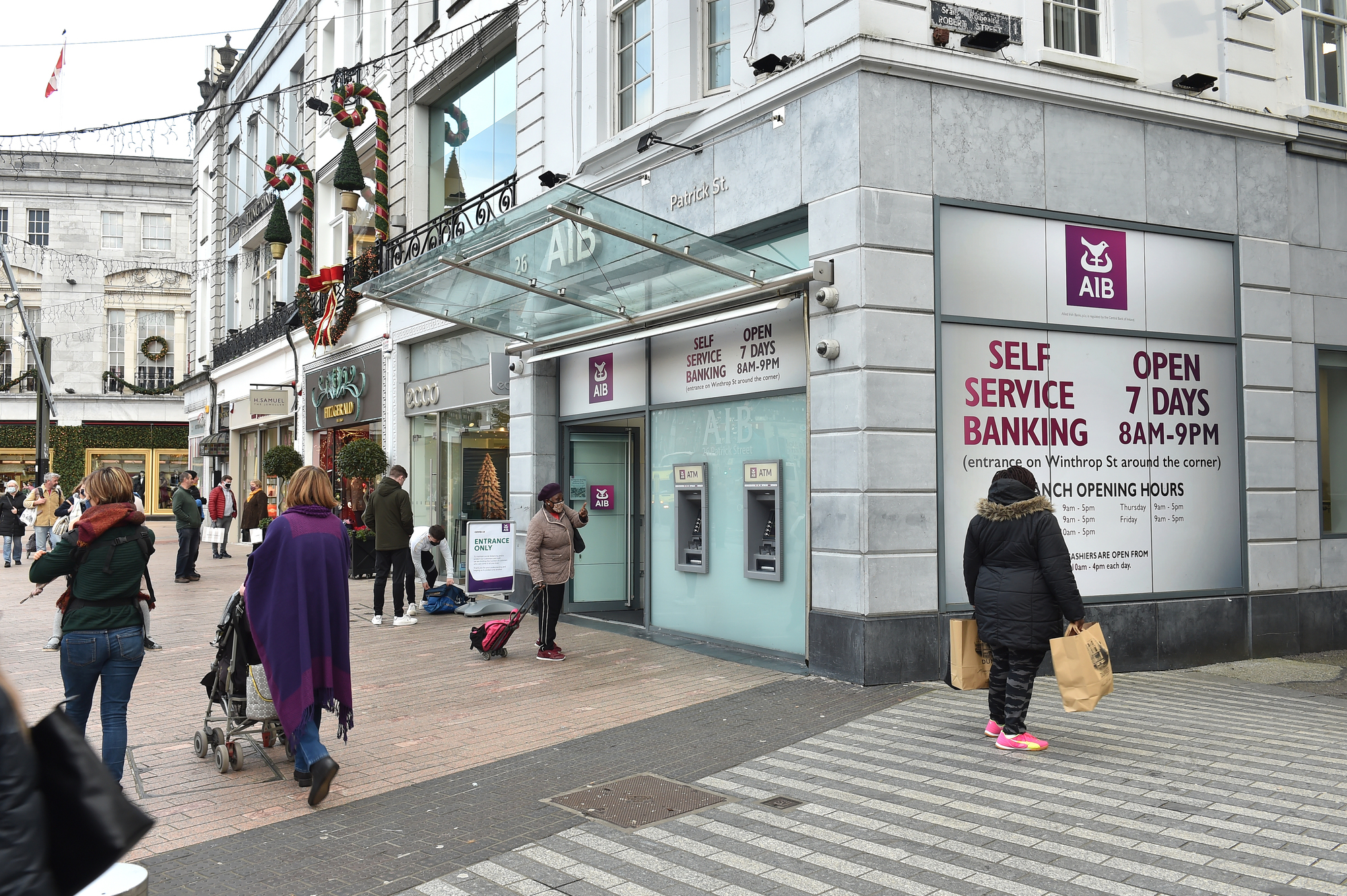
Shoppers on Patrick St in Cork. File picture: Dan Linehan

The Taoiseach has said it is unlikely there will be any significant easing of Covid-19 lockdown restrictions on March 5.

Micheál Martin has said he "does not see a major reopening of the economy" on March 5 and that the Government would take a "conservative and cautious" approach to when personal freedoms will be restored.

Speaking on RTÉ radio, Mr Martin said he and his government are working on the basis of a “prolonged suppression of the virus”.

On schools, Mr Martin said primary children will return to the classroom on phased basis.

He also made clear that construction sites will reopen once cases dropped below 1,000 a day.

As stated last week, Mr Martin said it is his intention to see special schools being the first to reopen.

However, Mr Martin was far more pessimistic about the prospects for the hospitality sector.

He said pubs and restaurants cannot reopen before an increased roll-out of the vaccine project which is likely to be into the summer time at the earliest.

He said it is intended to vaccinate all people aged over 70 by March and a significant number of the population by the autumn but that is all heavily contingent on when vaccine supplies arrive in Ireland.

He said that "the vaccines do offer us good hope and I understand the impatience that is out there ...but we don't control the external environment around the manufacture of the vaccine".

Vaccine

Earlier Mr Martin said that there is “significant tension” across Europe over the failure of AstraZeneca to deliver the vaccine volumes they promised to the EU.

Speaking on BBC television, Mr Martin said the first he knew of the EU’s attempt to block the movement of vaccines on Friday night was when the EU made its official statement.

He said immediate calls were placed by his office into the EU Commission President Ursula von der Leyen’s office and the plan was axed quickly thereafter.

An AstraZeneca production building at Macclesfield, UK. File picture: PA

“The Commission issued a public announcement on the issue and that's when we first became aware of it," Mr Martin said. 

"My chief official responsible for the protocol and European affairs more generally contacted Ursula von der Leyen's team immediately and I then contacted the president of the commission and articulated the very serious implications the move would have for the operation of the protocol, and the protocol itself.

“Thankfully, the commission did issue a statement, pulling back and reversing its decision,” he added.

Mr Martin rejected assertions by North Ireland’s first minister Arlene Foster that the attempted move by the EU on Friday was a “hostile act” against Northern Ireland.

“It certainly wasn't an act of hostility by the European Commission” he said.

My experience all along throughout the Brexit debate has been an acute awareness of the Irish issues notwithstanding the events of Friday.

He said the events of Friday showed that there is now an opportunity to re-engage on the Northern Irish protocol to ensure it works effectively.

“We are only four weeks into the agreement and into the operation of the protocol, there are bound to be teething problems, but I do acknowledge the need for engagement here on all sides between the European Union, the United Kingdom and the Irish Government and the Northern Ireland executive, and there are mechanisms to facilitate that,” he told presenter Andrew Marr.

Taoiseach Micheal Martin said the first he knew of the EU’s attempt to block the movement of vaccines on Friday night was when the EU made its official statement. Picture: Michael Mac Sweeney/Provision

Mr Martin said there is “a lot of tension” between the EU and AstraZeneca but those tensions do not exist with the other companies engaged to deliver vaccines.

“I think the EU has good relations with Pfizer's and other companies. There has been a problem with AstraZeneca and the European Union Commission. 

"I think there was shock across Europe when it emerged that the original commitment from the company in terms of 100m doses was not coming and it emerged that there's not going to be realised, there was a lot of tension,” he said.

x

More in this section

Lunchtime News

Newsletter

Keep up with stories of the day with our lunchtime news wrap and important breaking news alerts.

Cookie Policy Privacy Policy Brand Safety FAQ Help Contact Us Terms and Conditions

© Examiner Echo Group Limited