AstraZeneca vaccine to be delivered a week early following EU approval
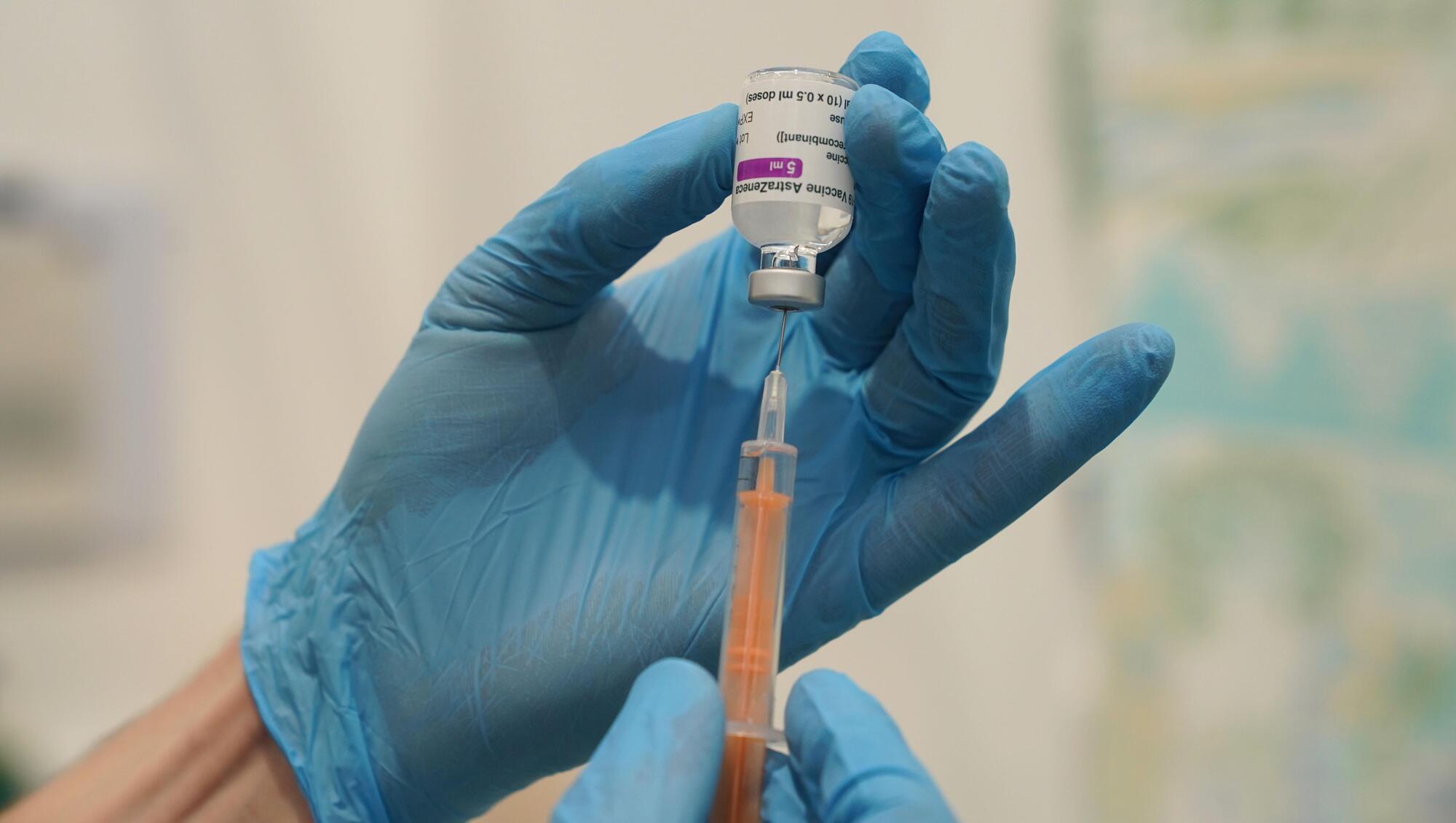
The Oxford/Astrazeneca coronavirus vaccine. File picture
The European Medicines Agency (EMA) has granted conditional marketing authorisation for the AstraZeneca Covid-19 vaccine for people over the age of 18.
This is the third Covid-19 vaccine to be given the green light by the EMA.
Following a thorough assessment of the data on the quality, safety and efficacy of the vaccine it has been recommended for a formal conditional marketing authorisation by the European Commission.
The European Commission will now fast-track the decision-making process to grant a decision on the conditional marketing authorisation for Covid-19 Vaccine AstraZeneca, allowing vaccination programmes to be rolled out across the EU.
Following the announcement by the EMA, Health Minister Stephen Donnelly said an agreement had been reached for the vaccine to be delivered a week ahead of schedule - the week of February 8.
"I can confirm now for the first time that it has been agreed that we will get it in the week of the eighth of February. It may not be the eighth but it will be that week," Mr Donnelly said.
"A week earlier. That means that we can get it out, get it into people's arms and get people protected that little bit earlier as well."
Amsterdam-based EMA said that it had approved the vaccine’s use for all age groups over 18, despite German authorities saying there is not enough data to determine whether or not the vaccine was safe in the over-65s.
Bruno Sepodes, EMA's human medicines committee (CHMP) vice-chair, said the committee agreed the benefits of the vaccine outweigh the known and any potential risks in people from age 18 and up.
In a statement this afternoon, the EMA said there are not yet enough results in participants over the age of 55 to provide a figure for how well the vaccine will work for this group.
However, the Agency said protection is expected "given that an immune response is seen in this age group and based on experience with other vaccines; as there is reliable information on safety in this population".
EMA experts said the vaccine can be used in older adults.
Ongoing studies will include a higher proportion of elderly participants and will provide more information.
"With this third positive opinion, we have further expanded the arsenal of vaccines available to EU and EEA member states to combat the pandemic and protect their citizens," said Emer Cooke, Executive Director of EMA.
"As in previous cases, the CHMP has rigorously evaluated this vaccine, and the scientific basis of our work underpins our firm commitment to safeguard the health of EU citizens."
The AstraZeneca vaccine is administered in two doses with the second to be given between four and 12 weeks after the first.
In the clinical trials, the vaccine demonstrated around a 60% efficacy.
According to the EMA, the most common side effects were usually mild or moderate and got better within a few days of receiving the vaccination.
The most common side effects recorded are: pain and tenderness at the injection site, headache, tiredness, muscle pain, general feeling of being unwell, chills, fever, joint pain and nausea.
The AstraZeneca jab has been hailed as a “game-changer” by the Taoiseach and the Health Minister, but there are fears Ireland’s supply of the vaccine could be halved.
Earlier today, it was revealed that up to 150,000 fewer people will be vaccinated by the end of March due to the supply issues with AstraZeneca.
Ireland will now only get 1.1m AstraZeneca, Pfizer and Moderna vaccines, which will cover 550,000 people, chair of the vaccine taskforce professor Brian MacCraith confirmed to the Oireachtas Health Committee.
It had been expected that Ireland would have taken delivery of 1.4m vaccines, to cover 700,000 people as two doses are needed, by the end of March.
European authorities are under pressure after a sluggish start to the EU’s vaccination campaign in its first month, and the AstraZeneca serum would add much-needed extra supplies.
Earlier, a redacted version of AstraZeneca's contract with the EU was published amid a deepening row between the two sides over vaccine supply shortages in the bloc.
AstraZeneca said last week that it planned to cut initial deliveries in the EU from the scheduled 80 million doses scheduled to 31 million doses because of reduced yields from its manufacturing plants in Europe.
The company cited reduced yields from its manufacturing plants in Europe, but the EU suspects doses produced in Europe have been directed elsewhere.
CONNECT WITH US TODAY



Be the first to know the latest news and updates