'More education is needed to divert youth away from crime'
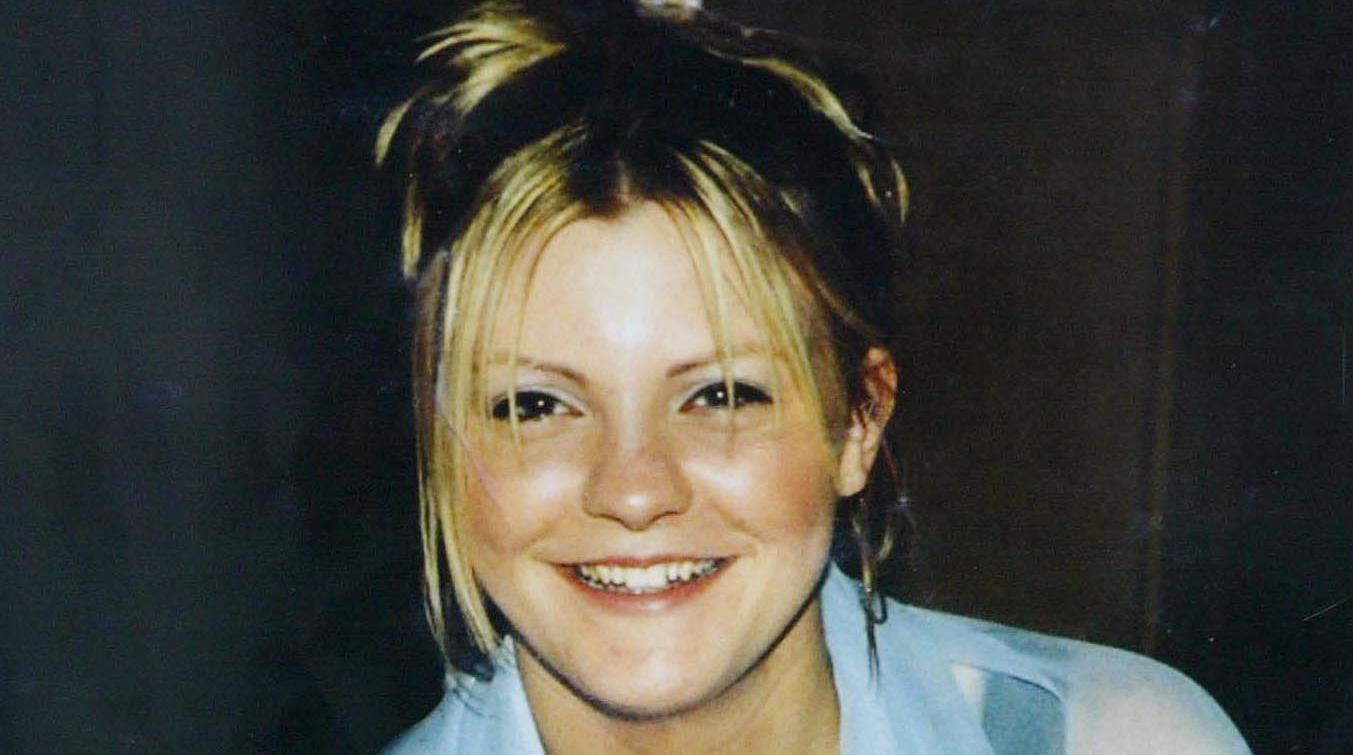
Nichola Sweeney was killed in a vicious knife attack in 2002. File picture.
Calls to curb Ireland’s knife-crime epidemic have increased since the death of 16-year-old Josh Dunne on Tuesday night.
Sinead O’Leary, who was stabbed over 20 times by a 19-year-old intruder in a vicious knife attack which killed her best friend, Nichola Sweeney in Cork in 2002, has called for tougher sentencing for knife crime, coupled with more education and interventions to divert youth away from crime.
"There is intent if you carry a knife. And because of the physical action you are aware of the harm you are inflicting," she said.
She welcomed a suggestion made by Fine Gael TD Neale Richmond for a weapons amnesty, which could both remove potentially lethal weapons from the streets and remind people of the grave danger of carrying one.
And this public awareness element is key, she said.
"More education is needed, and more interventions to divert youth away from crime, especially for young offenders."
In 2019, Fianna Fáil TD Jim O'Callaghan introduced legislation to double the maximum jail term for possession of knives with intent to injure or cause harm from five to 10 years.
This was shelved by the current government although the Department of Justice now says that it is keeping the law in relation to sentencing for knife crimes, as well as all other policies around knife crimes, such as targeted interventions, under review.
Mr O’Callaghan said: “We need to educate boys and young men about the dangers of carrying knives.
He also called for an urgent amendment of the Children’s Act so that child victims of crime can be named if someone is charged with his killing and "not erased from our memory".
However, a legal practitioner disagreed that increased penalties would decrease knife crime.
The source, who asked not to be named, said that history proves such penalties do not work and that larger societal changes to reduce inequality are needed to prevent crime from festering in the first place, rather than band-aid solutions after the fact.
“There is a significant amount of casual possession of knives among certain segments of the community, not all of whom are deeply involved in criminal activity," they said.
People who are homeless now often carry knives "for the dual purpose" of ordinary tasks but which can also be used as a weapon.
Young people carrying knives for protection is also common, they said.
However, the biggest increase in knife crime they have noted has been domestically, as people have been trapped at home with abusive partners or family.
The number of knives seized by gardaí increased by a third from 2017 to 2020.
And one in six knives seized by gardaí were taken from children aged 12 to 17.
Neale Richmond, Fine Gael TD for Dublin Rathdown, called for a weapons amnesty following the tragic death of Josh Dunne.
He also called for lessons to quickly be learned from Scotland, which halved its homicide rate through a range of interventions which could be funded here by the €16m gardaí seized from criminals last year, he said.

CONNECT WITH US TODAY



Be the first to know the latest news and updates