Death rate will stay above 25 per day, Nphet warns
Transmission is now so high that 44% of all the Covid-19 cases in Ireland since the pandemic began were confirmed in the last 14 days.
The death rate from Covid-19 will continue at a high level in the days ahead, the National Public Health Emergency Team (Nphet) has warned, as they declined to speculate on whether schools will reopen in February.
Transmission is now so high that 44% of all the Covid-19 cases in Ireland since the pandemic began were confirmed in the last 14 days.
Another 28 deaths from Covid-19 were confirmed today and 3,955 new cases.
This now brings the death toll to 2,488 and the number of cases to 163,057.
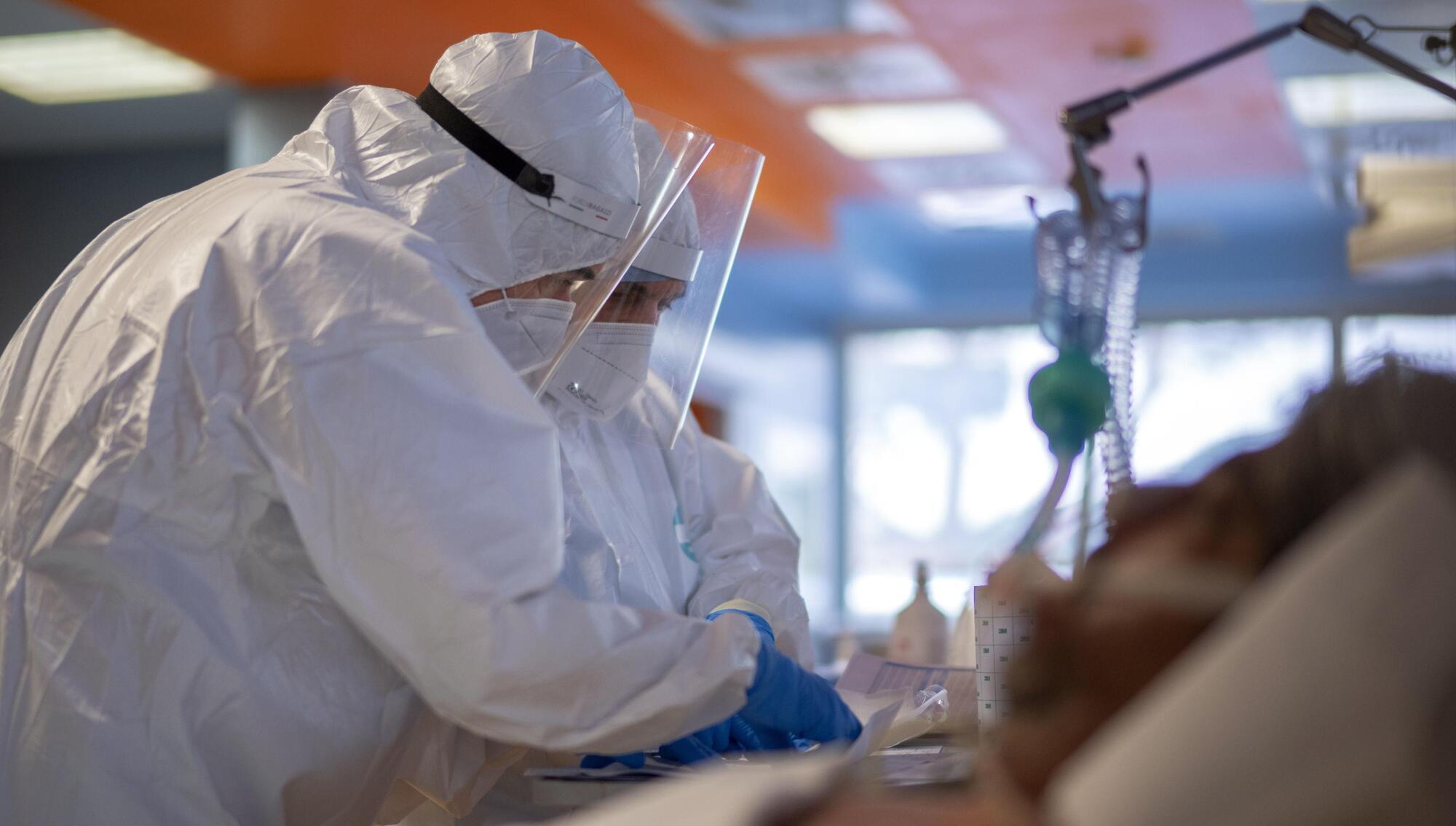
Numbers for patients in hospital with Covid-19 are extremely high at 1,789, with 169 in Intensive Care Units (ICUs).
The head of the HSE said it is unprecedented to have this many people with a single illness in Irish ICUs.
The 14-day incidence rate of infection per 100,000, which reflects the overall trend of the virus, has also risen to 1,497. Only Czechia in the EU has a worse rate this week.
Chair of the Epidemiological Modelling Group Professor Philip Nolan warned that despite people staying at home now, the hospitals continue to treat patients infected earlier this month or in December.
He said: “We do expect to see the number of deaths per day continue at perhaps 25 per day or higher. We are beginning to see a very serious rise in the number of deaths confirmed per day.”
Another concern, he said, is there are more cases linked to nursing homes in the last two weeks than at any point in the previous wave.
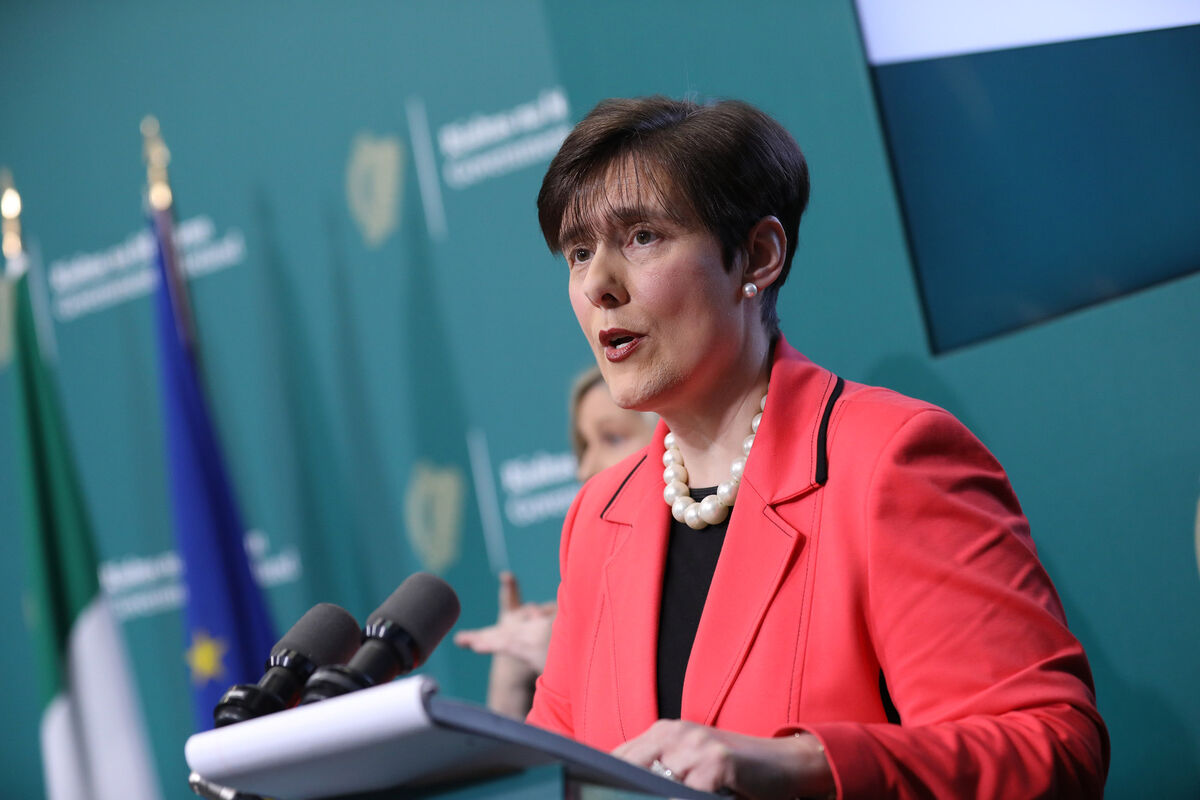
Deputy Chief Medical Officer Dr Ronan Glynn also focused on this week’s numbers, declining to say what Nphet's future position on schools might be.
Asked whether schools could open in February, as education minister Normal Foley indicated, he said: “We need to see an improvement (in transmission rates) in the first instance.”
He indicated no immediate change in restrictions was recommended by Nphet to Cabinet.
For now, Nphet will continue trying to suppress the virus rather than shutting down completely, as Australia and New Zealand did, to bring community transmission to zero.
Dr Glynn said: “Our view has been that while elimination would be the preferred choice we simply don’t think it is a feasible strategy given our links with the European Union."
It is also challenging having two sets of Covid-19 regulations on the island, he said, confirming that travel locator data is still not shared with Northern Ireland.
Referring to Garda reports that people were caught driving 80km for a burger, Dr Glynn said: “There is no-one whose family has not been affected by this… really anyone who is bending the rules to their own purpose I would ask them to think again.”
He said, in his view, the majority of the population are following the guidelines.
A third variant of the virus was reported yesterday in Brazil, in addition to the UK and South African variants.
Director of the National Virus Reference Laboratory Dr Cillian De Gascun said: “We have not detected any of the Brazilian variant in Ireland to date.”
The Department of Foreign Affairs has advised against travel to Brazil.
Dr De Gascun said he was not aware of potential strike action by the trade union representing medical scientists in hospital laboratories.
But he said these laboratories currently do five to six thousand Covid-19 tests per day.
He said: “The hospitals have been a key component of our work.”
Ireland has administered 77,303 vaccines as of Wednesday, HSE chief executive Paul Reid said.
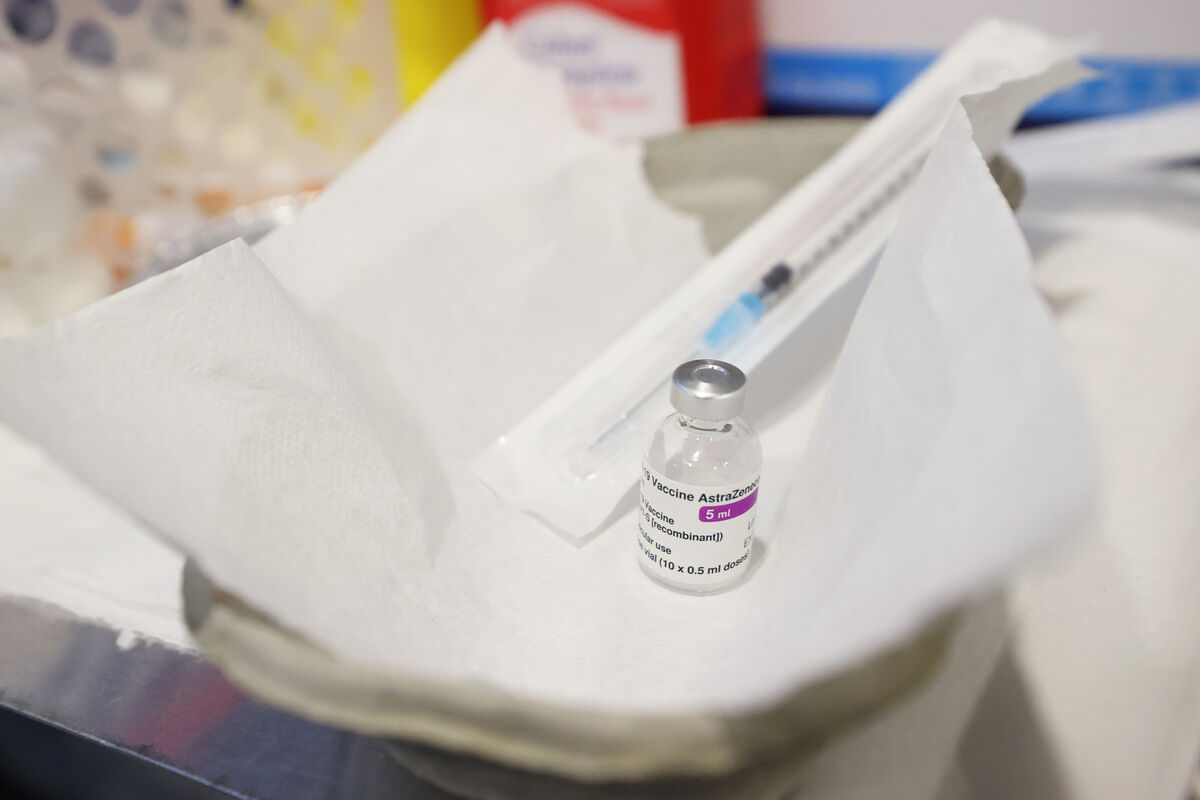
Of that figure, 69,378 were for frontline healthcare workers, with 7,925 for residents and staff in long-term care facilities.
Mr Reid said Ireland has received 152,100 doses of the Pfizer/BioNTech vaccine, along with 3,600 doses of the Moderna vaccine.
Health Minister Stephen Donnelly, expects 700,000 people to be vaccinated between now and the end of March.


CONNECT WITH US TODAY



Be the first to know the latest news and updates