Four-week Christmas break for TDs not justified, says Róisín Shortall
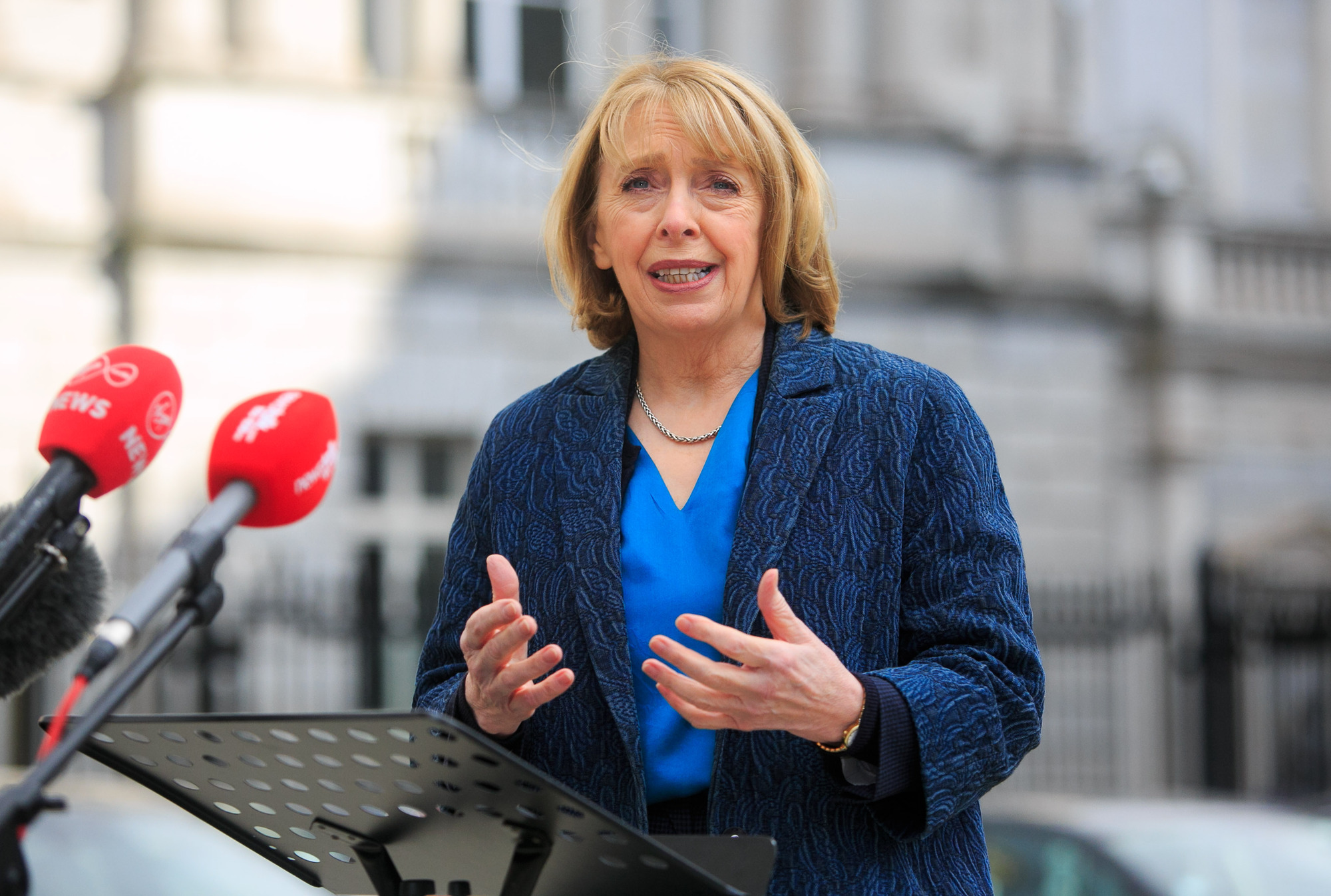
Social Democrat co-leader Roisin Shortall has suggested the Dáil sit this Friday, but this was rejected by Government. Picture: Gareth Chaney/Collins
There is no justification for TDs to take a four-week break this year the co-leader of the Social Democrats says.
However, Róisín Shortall said that it is likely that TDs will have to return early from their Christmas break because of Brexit and the rollout of vaccines for Covid-19.
The Dáil will break on Thursday and return on Wednesday, January 13. Ms Shortall said that her party had suggested a sitting this Friday in order for questions and answers on vaccines and Brexit. However, this was rejected by the Government.
Ms Shortall said that while her party hasn't opposed the recess, she said she did not believe that there was a justification for the break and the "strong likelihood" was that the Dáil would reconvene early.
"We should keep an open mind on that, but the key thing is to get answers before the recess."
On the issue of vaccines, Ms Shortall said that her main concerns were that children with pre-existing conditions were too low down the sequencing list and that the IT system tender had yet to be awarded.
"It seems to be very rushed, even though we've known about this a long time. There's a lot of work to be done in a short period of time.
Party colleague Cian O'Callaghan TD said that there needed to be "proper scrutiny" on Brexit, but said that there was no contradiction between hoping for a Brexit trade deal and being against the Ceta deal, which has been pulled from the Dáil schedule this week after unhappiness among Green Party TDs.
"We're not against trade agreements, generally. But particular parts of Ceta are of concern. Ireland is in a different situation to a lot of countries. We're in a more vulnerable position than others in terms of being sued by corporations because we're starting from such a low base."

CONNECT WITH US TODAY



Be the first to know the latest news and updates