Environmental groups hit out at failed attempts to tackle sewage discharge
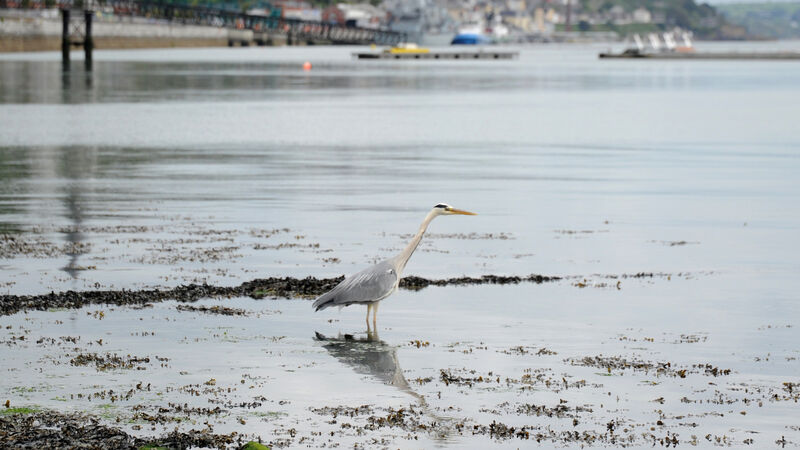
Cobh was one of the towns identified with the most glaring issues of sewage discharge in the report.
Attempts to regenerate biodiversity across Munster is merely lip service if rivers, lakes, and local environment continue to be plagued by raw sewage and untreated water, according to Cork-based lobby group.
Friends of the Irish Environment (FIE) said that Irish Water needed dramatic bolstering of its funds if the damning indictment reported by the Environmental Protection Agency (EPA) was to be tackled.
The EPA report said that 35 towns and villages are releasing raw sewage into the environment, with Cobh and Arklow having the most glaring problems.
Some 19 large towns and cities, including Dublin and Cork, have wastewater treatment that did not meet mandatory EU standards, while there were 48 areas where wastewater is the main significant threat to inland and coastal waters at risk of pollution.
The EPA's office of environmental enforcement said these works must be a priority for Irish Water, but warned that there is no clear plan to improve treatment at 23 areas where wastewater is a significant threat to waters at risk of pollution.
"Irish Water must clearly identify when and how it will resolve the issues at these 23 areas, and plan improvement works as early as possible," it said.
FIE, which is based in Eyeries in West Cork, said there has been a long history of sewage and untreated water in Munster, with some cases first highlighted up to 40 years ago.
FIE's Tony Lowes told the : "It is a long-standing problem in Munster, such as Castletownbere in West Cork, which would break your heart. A number of attempts have been made over the years, but in piecemeal fashion across the country.
"The trend is going in the wrong direction, and must be reversed if we want biodiversity in our rivers and surrounding lands. What is despairing is that when treatment plants are put in, they are soon at capacity and become overwhelmed — you look at the likes of Kenmare over the years. As usual, we are not planning things properly."
Mr Lowes said Irish Water cannot be expected to tackle such enormous legacy issues without adequate funding to do so.
His comments were echoed by the Sustainable Water Network (Swan), which called for immediate action from the Government to dramatically improve Ireland’s wastewater infrastructure.
SWAN coordinator Sinéad O'Brien said raw sewage still being discharged into our rivers, lakes, and sea — and that is completely unacceptable.
"Lack of effective wastewater treatment is damaging our water environment and posing a significant public health risk," she said.
"Treating human waste adequately so that it can be safely released to the environment is one of the most fundamental requirements of a modern state. Yet more than 25 years after this most basic obligation was enshrined in EU and Irish law, we are still failing to deliver it."