Shared-island unit to look at economic, social and political matters

Shared-island unit to look at economic, social and political matters

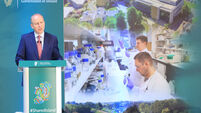
Taoiseach Micheál Martin's department will head up the new unit. Picture: PA

The Government’s new shared-island unit will oversee the spending of €500m in improving cross-border infrastructure between now and 2024, the Cabinet heard.

Taoiseach Micheál Martin briefed ministers on the progress made since the unit was established with the aim of protecting the peace process and the all-island economy in the context of the EU-UK Brexit agreement.

He said the unit is seeking to look at the economic, cultural, social and political matters which would allow all traditions to exist together.

Ministers heard that the unit is there to ensure that the Northern Ireland deal, 'New Decade, New Approach' is implemented in full.

Mr Martin told ministers that the unit will continue to utilise the All-Island Civic Dialogue as a forum for addressing Brexit-related issues and other challenges arising for the island as well as enhancing, developing and deepening all aspects of north-south co-operation and the all-island economy.

Crucial to the unit’s function is the allocation of funds to allow it to work with the Northern Ireland executive to deliver key cross-border infrastructure initiatives, including the A5, the Ulster Canal connection from Clones to Upper Lough Erne, the Narrow Water Bridge, and cross-border greenways, in particular the Sligo-Enniskillen greenway (subject to feasibility).

The new unit, which operates out of the Taoiseach’s department, will also seek to work with the executive and the UK government to deepen multi-agency cross-border co-operation on crime, including information sharing between the Police Service of Northern Ireland and the gardaí, ministers were told.

The unit will also work with the executive and the UK government to commit to investment and development opportunities in the north-west and border communities, including third-level opportunities for young people from the region at University of Ulster Magee Campus in Derry, ministers heard.

Meanwhile, the Cabinet also approved the appointments of members of a new commission to examine the age at which the State pension should be paid.

It was agreed that former head of the Revenue Commissioners Josephine Feehily is to head the new commission that will make recommendations to the Government on the pension age.

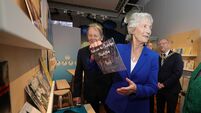
Josephine Feehily will chair the commission on pensions.

Ms Feehily has also chaired the Policing Authority since she stepped down from her role leading the tax authority.

As proposed by Social Protection Minister Heather Humphreys, ministers approved the establishment of the new Commission on Pensions which has been told to report by the end of next June on the qualifying age for the State pension, contribution rates, total contributions, and eligibility requirements.

The establishment of the commission comes after the move on the issue of the pension age became a major battleground in the February general election.

This prompted a commitment in the coalition’s programme for government to maintain the pension age at 66 pending the completion of the commission's work.

The pension age had been due to go to 67 in January 2021.

More in this section

Lunchtime News

Newsletter

Keep up with stories of the day with our lunchtime news wrap and important breaking news alerts.

Cookie Policy Privacy Policy Brand Safety FAQ Help Contact Us Terms and Conditions

© Examiner Echo Group Limited