Local authorities 'too small' to produce climate change measures, warns economist
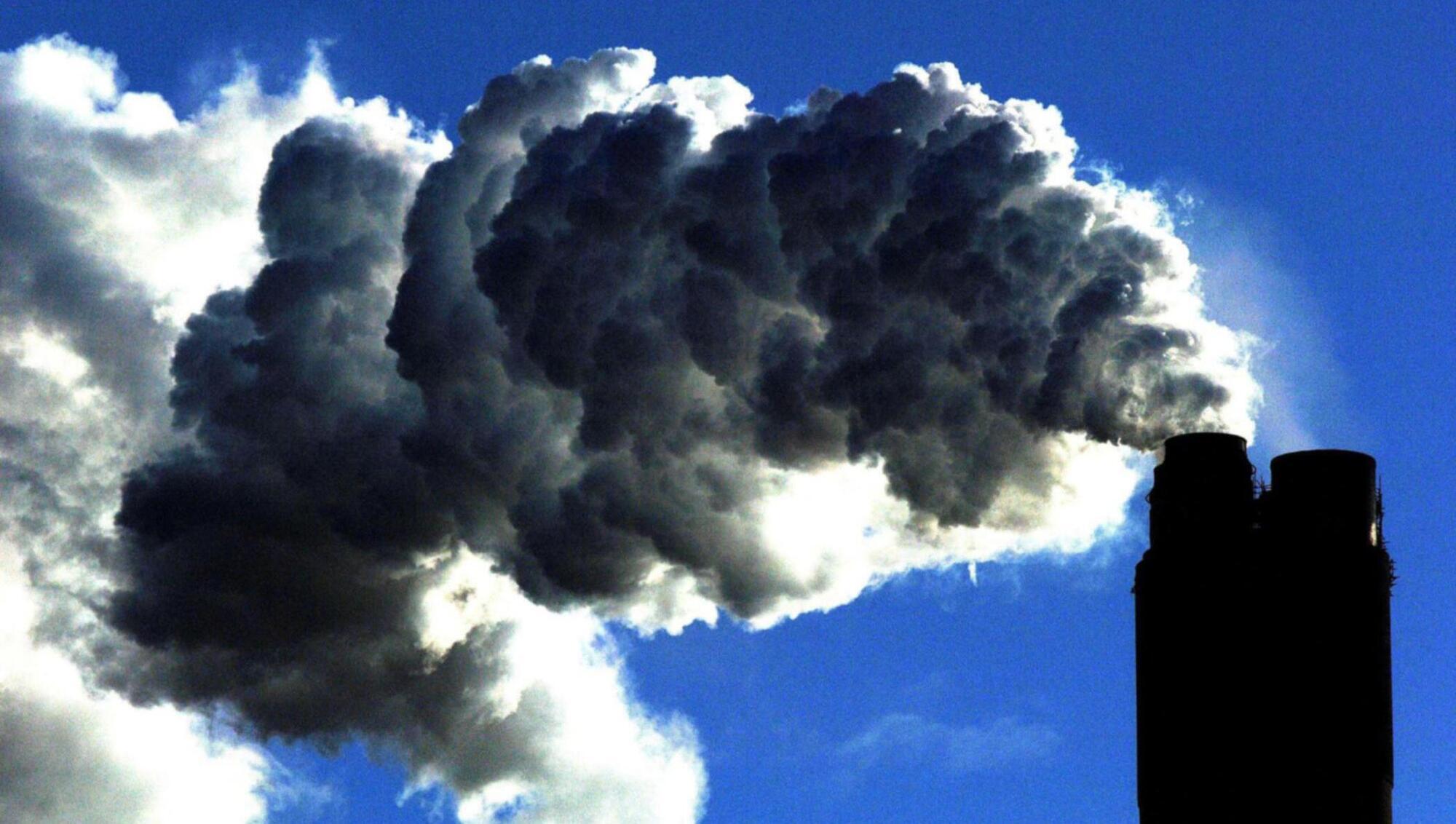
Local authorities are required to produce plans to combat emissions, but they are too small to make the change on their own, warns John FitzGerald. Picture: File photo
Local authorities in the likes of Cork, Limerick and Clare are going to need help and resources if they are to be compelled to come up with five-year climate action plans in their areas.
That is according to economist with the Economic and Social Research Institute (ESRI) and chair of the Climate Change Advisory Council, Professor John FitzGerald, who said county and city councils were too small to be able to produce climate mitigation and adaptation measures without assistance.
Climate change mitigation is setting plans to avoid and reduce emissions of heat-trapping greenhouse gases into the atmosphere, thus preventing the planet from warming to more extreme temperatures.
Climate change adaptation refers to changing behaviour, systems, and some traditional ways of life to protect the environment, people and local economies.
The newly proposed Climate Bill would require local authorities to come up with local plans to combat emissions.
They will be required to include both mitigation and adaptation measures within 18 months of the enactment of the Bill, and not less than once in every five years.
Mr FitzGerald told TDs and senators at the climate action committee that local authorities are crucial where adaptation is concerned.
The Climate Change Advisory Council established an adaptation committee in 2016.
Mr FitzGerald said that when the adaptation committee spoke to local authorities in the beginning, it received a very good presentation from Clare County Council that could predict flood events in Shannon.
“A man there was doing remarkable work on predicting possible flooding in the Shannon region by using buoys at sea and collating information,” Mr FitzGerald said. He could tell whether Shannon Airport would be flooded.
"However, on the other side of the Shannon are Kerry and, at the top, Limerick. We deemed local authorities too small to do this work by themselves."
He said that this is an adaptation to which people have not paid enough attention, save for Cork.
“The people of central Cork probably have, but the problems of central Cork — for example, rising sea levels — will also affect Dublin and Limerick. Local authorities need help and resources to determine what they have to do,” Mr FitzGerald said.
He said the Climate Bill should identify a general set of principles for carbon budgets rather than listing a long list of possible issues, which might or might not be relevant.
Some 25 criteria required for local authorities would make the process arduous and cumbersome, and could also leave the council's advice exposed to legal challenge, he said.
Cork South West TD, Christopher O’Sullivan, said the Climate Bill reminded him of how Cork County Council published a climate action plan in 2019 when he was a member before he was elected to the Dáil.
He said that plan focused on adaptation measures but with very little in the way of mitigation.

CLIMATE & SUSTAINABILITY HUB
CONNECT WITH US TODAY



Be the first to know the latest news and updates