Donnelly: Offer to pause CervicalCheck tribunal made in good faith
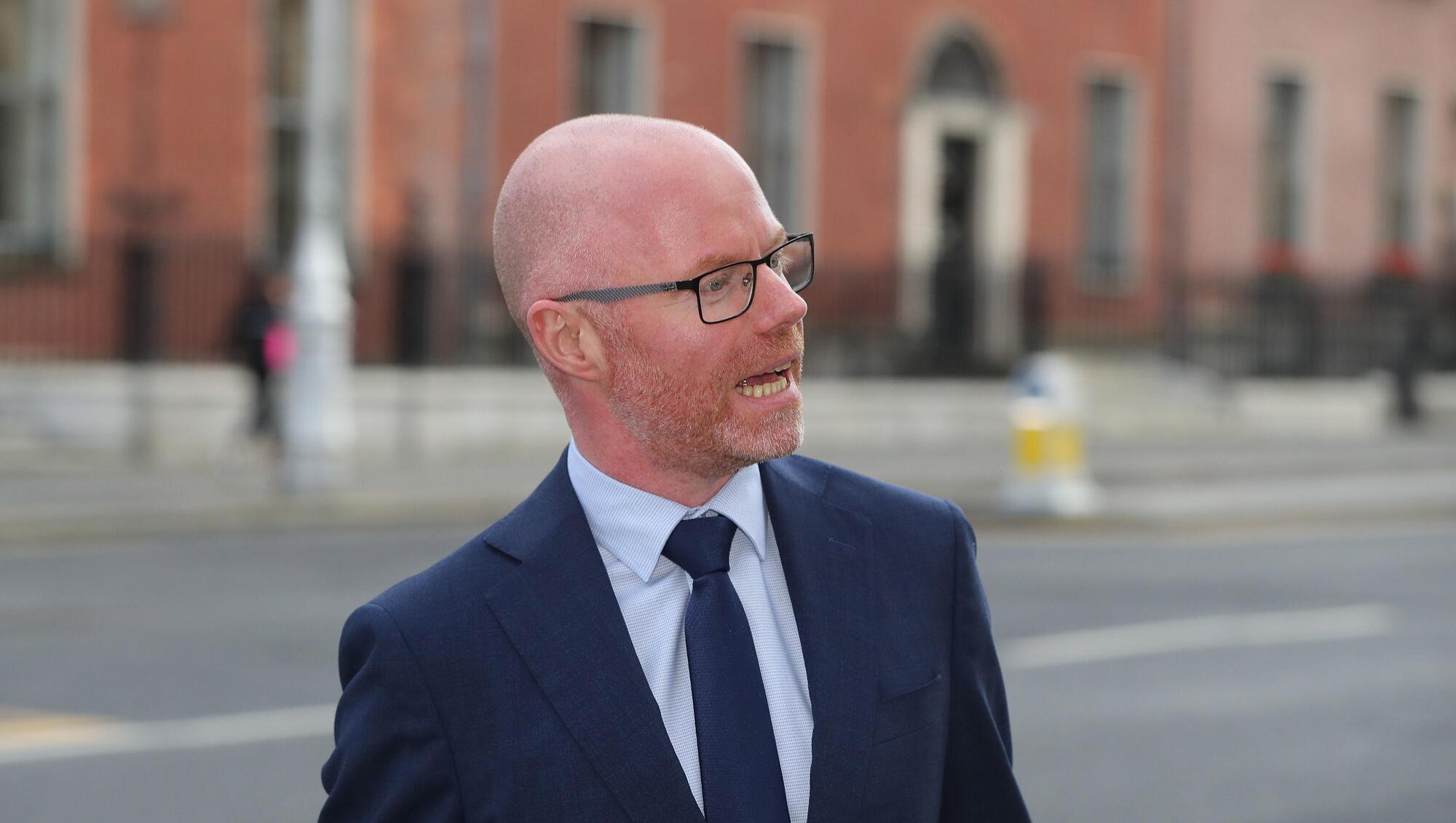
Minister for Health Stephen Donnelly said the tribunal has now been paused after his intervention and said that he believes that the terms of reference could be altered. Picture: Niall Carson/PA Wire
The Health Minister says that his offer to pause the CervicalCheck Tribunal was done so "in good faith".
Stephen Donnelly said the tribunal has now been paused after his intervention and said that he believes that the terms of reference could be altered.
Mr Donnelly brought a memo to the Cabinet meeting last week proposing Tuesday, October 27, as the day the CervicalCheck Tribunal would begin its work. His cabinet colleagues agreed.
However, the advocate group was angered that a delay wasn't forthcoming on Tuesday, despite Mr Donnelly's assurance that it could be delayed.
Mr Donnelly said that offer was made "in good faith".
The health minister said that after meeting with the judge overseeing the tribunal, it became clear that a delay could not be offered.
"The offer to pause the tribunal was made in good faith. My understanding was that the Statutory Instrument could be paused," said Mr Donnelly.
"After I made the offer, I spoke to the chair and told him that I had given the commitment to pause until the 221+ group was ready.
"In any meaningful sense, there is no tribunal that anyone can lodge an application to. The final piece is that the nine-month time period had started . But we can extend that."
The Department of Health has since said that although the tribunal was officially established on October 27, the nine-month period for making claims will run from that day, with the appointment of the chairperson and members being paused.
"This is the only practical impact of the establishment of the tribunal. However, the Government will extend the length of the tribunal by additional days to cover this period if necessary."
Mr Donnelly said that the "adversarial process" would mean that people would be able to defend themselves, meaning that cross-examination was needed. He said that the tribunal would, however, seek to be "non-confrontational".