Young people less likely to take Covid-19 vaccine, study finds
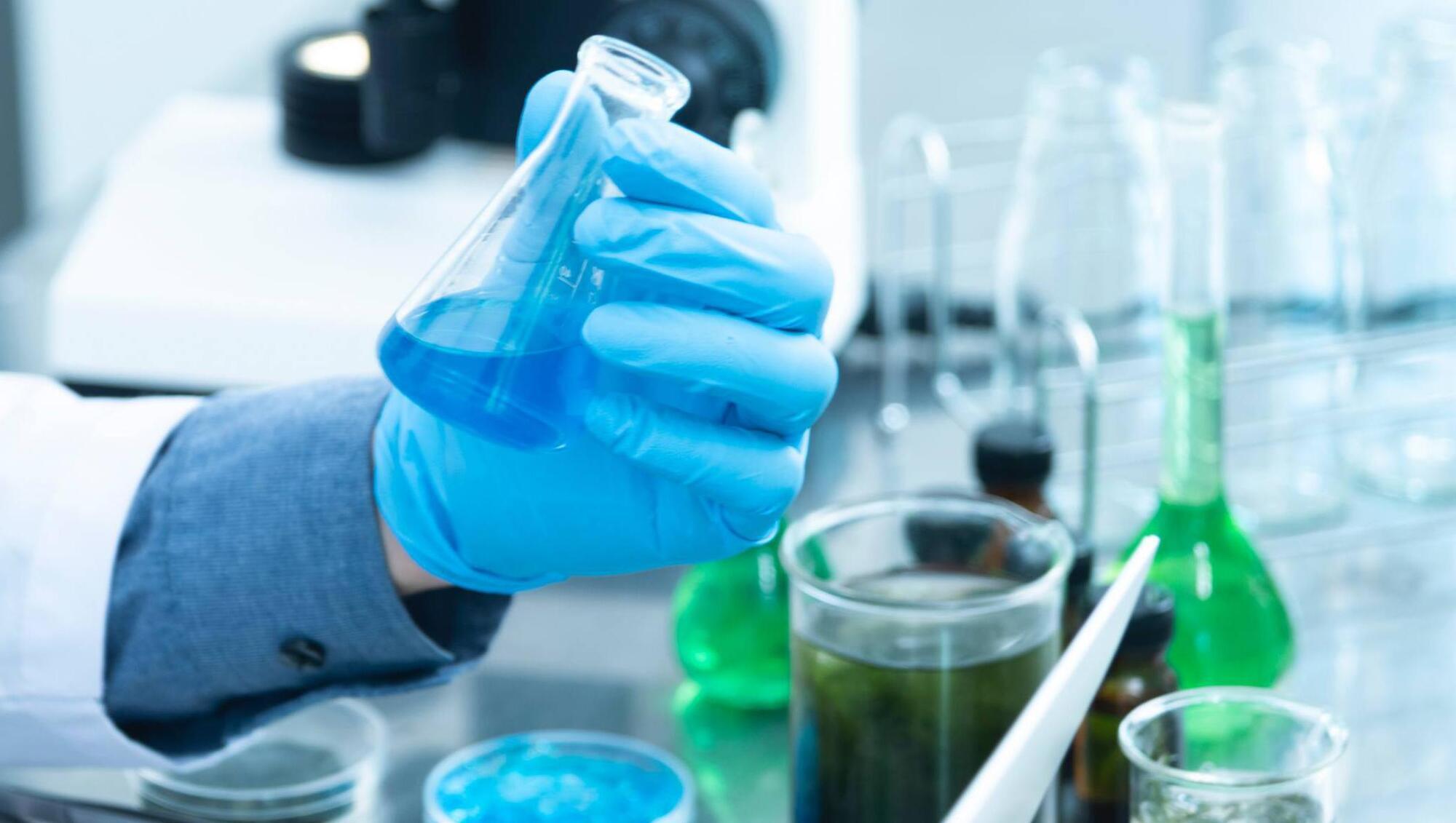
It has emerged that the first Covid-19 vaccine could be available in Ireland before the end of the year. Picture: Pexels
One of five young people say they would not take a Covid-19 vaccine if one became available, a survey has found.
While the survey shows that 55% of adults said they would personally take the vaccine, one-third were unsure, while 12% said they would not take it.
The survey was carried out by Ipsos MRBI for the Irish Pharmaceutical Healthcare Association which represents the international research-based biopharmaceutical industry.
Their vaccine tracker is a monthly barometer of the public’s likelihood to get vaccinated for Covid-19, should there be a breakthrough.
More than 150 Covid-19 vaccine candidates are in development globally, with about a dozen of them now in late-stage clinical trials.
Vaccines go through a three-stage clinical trials' process before they are sent to regulatory agencies such as the Food and Drug Administration or the European Medicines Agency for approval.
The last stage, Phase III, involves tens of thousands of tested patients. Some health experts have surmised that a vaccine will not be widely available until March or April of 2021.
However, over the weekend it emerged that the first Covid-19 vaccine could be available in Ireland before the end of the year as Pfizer Ireland and its German partner BioNTech say they could be in a position to issue 100m doses.
The association's survey found that 60% of men said they would take the vaccine, while half of women said they would take it.
The age group most likely to take the vaccine were the over-65s, followed by people aged 35-44.
Younger people were the least likely to take the vaccine, with 19% of those aged 25-34 and 18% of those aged between 18-24 saying they would not take it.
Ipsos MRBI conducted 975 telephone interviews with adults aged over 18 between October 1 and October 14.
The association's chief executive Oliver O’Connor said the world is still some distance from an approved vaccine for Covid-19.
"But there is cause for hope," he said. "Although all of us want to see the back of the pandemic, it is not about how fast we can get a vaccine.
"What matters is that it is safe and that it works. These are the priorities for our industry, working with the regulatory agencies. We must move at the speed of science. We would encourage the public to get their vaccinations, especially now that we are in flu season.”
It can typically take 10 to 15 years to bring a vaccine to the market. The fastest-ever (the vaccine for mumps) needed four years in the 1960s.
Association president Paul Reid said: “The development of vaccines is based on sound science, patient safety, and clinical effectiveness. Teams of scientists are collaborating across disciplines and territories, and between research agencies and companies, to find a breakthrough for Covid-19.
"Immunisation is a global health and development success story, saving millions of lives every year. We now have vaccines to prevent more than 20 life-threatening diseases, helping people of all ages live longer, healthier lives.”
The World Health Organisation estimates that vaccines save up to 3m lives every year. With the exception of clean, safe drinking water, vaccination is one of the most successful and cost-effective public health interventions ever.


CONNECT WITH US TODAY



Be the first to know the latest news and updates