Masks and gloves add to litter woes as cities lose clean status
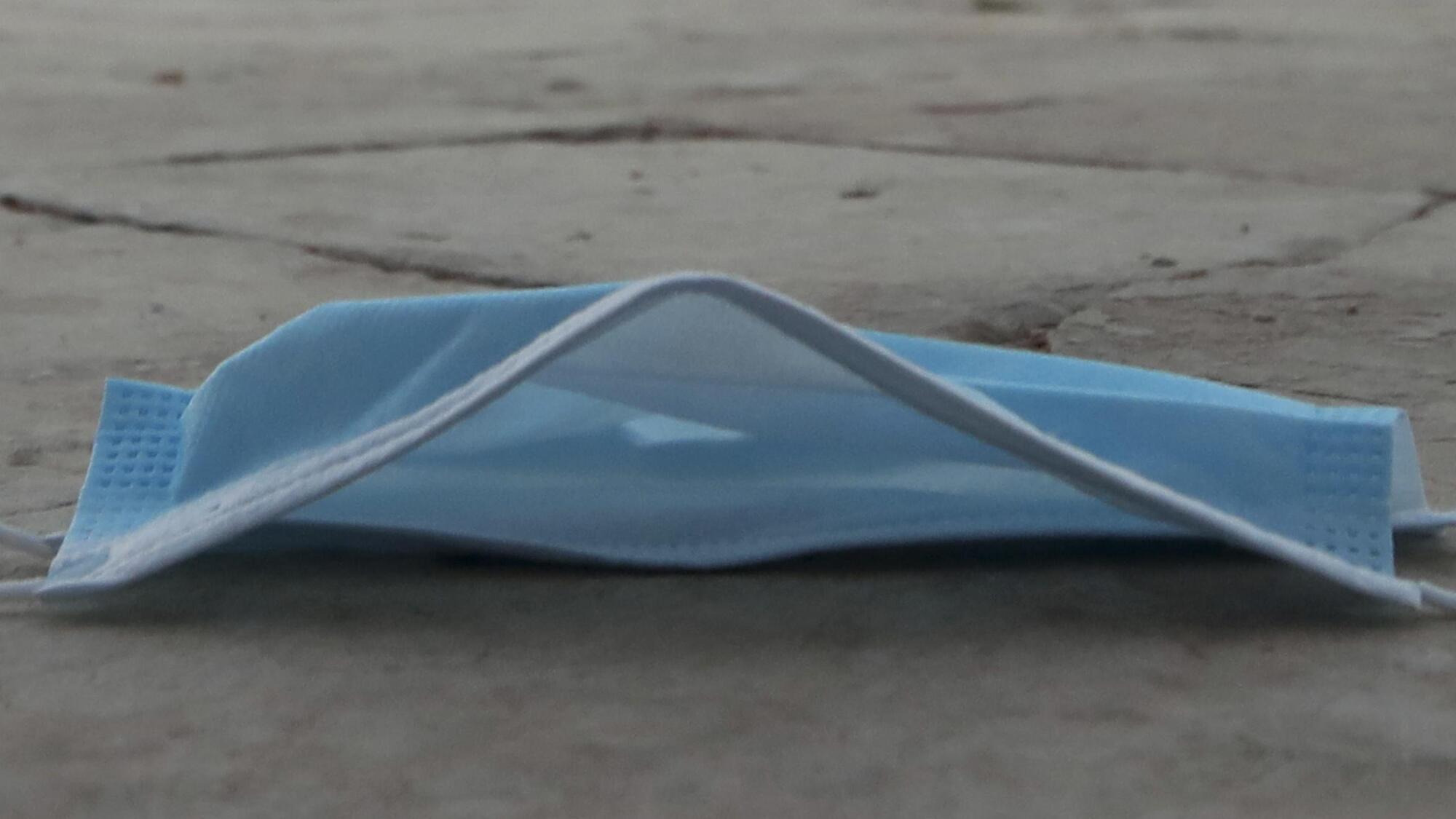
The survey showed personal protective equipment (PPE) litter to be widespread and a rise in the prevalence of cans and glass bottles (AP Photo/Mahmoud Illean)
The lowest number of towns and cities in Ireland in 13 years have been deemed clean - with discarded face masks and gloves proving particularly widespread, a nationwide litter report has found.
Cork’s northside was among the chief litter hotspots, along with Dublin’s north inner city and Limerick’s city’s south, the first nationwide litter survey by Irish Business Against Litter (Ibal) since the Covid crisis, found.

The results showed a 20% drop in the number of towns deemed clean, the lowest level since 2007.
Cities fared particularly badly, Ibal said, with Dublin, Galway and Limerick city centres all losing their clean status.
However, Cork city centre was judged to be clean to European norms, while Fermoy in north Cork once again showed itself to be among the cleanest towns in Ireland, ranking in eighth place overall and judged to be cleaner than European norms.
Kilkenny, once again, was chosen as the cleanest town, edging out Athlone and Portlaoise to take the top spot.
Dublin's north inner city fared the worst in the survey, with observers noting "major accumulations of food-related and other miscellaneous items within the water” in the Canal at Ossary Road.
By contrast, Ballymun was one of the few areas to improve in the rankings, with its main street described as "very well presented, with a virtual absence of litter throughout."
While no areas were deemed as 'litter black spots', Galvone in Limerick was considered 'seriously littered'. The survey noted that there were "heavy levels of litter abounded" and the area’s recycling facility was “subject to dumping on a monumental scale”.
The survey showed personal protective equipment (PPE) litter to be widespread and a rise in the prevalence of cans and glass bottles, Ibal said.
An Taisce, who carried out the survey, deemed 23 towns to be clean. The number of towns reaching the highest cleanliness level dropped by a quarter to nine.
Ibal spokesman Conor Horgan said the rise in litter levels this year is across the board.
Half of all recycle facilities surveyed were heavily littered, another likely consequence of the Covid crisis, Ibal said.
PPE litter was prevalent across the country, with masks five times as common as gloves.
“Understandably, people are reluctant to pick up these items for fear of contracting Covid, so they tend to stay on the ground. We need to see a rapid rise in the use of reusable masks,” Mr Horgan said.
It is a source of particular frustration that sites identified last year as heavily littered were for the most part not cleaned up in the interim, according to Ibal.
Of 61 sites described as either heavily littered or blackspots in 2019, fewer than 40% were clean in this latest survey.
Mr Horgan said: “We’ve been saying for years that the most immediate way to improve a town or city is to focus on the bad areas. Clearly this is not being done.”