Almost half of those who self-harm fail to seek any help
Young people, people from the LGBTQI+ community, and people from lower-income households are least likely to seek assistance.
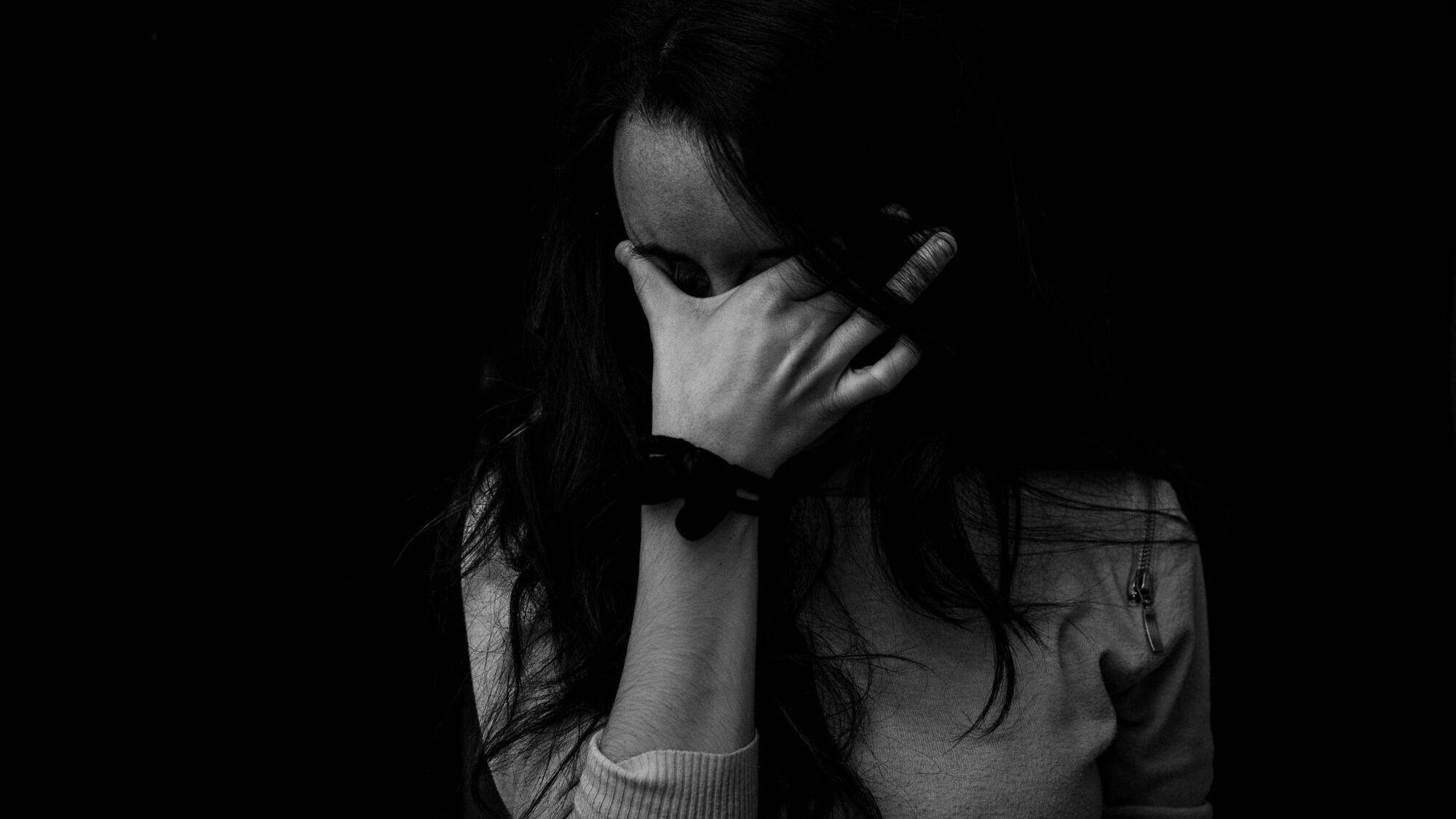
Almost half of those who self-harm do not seek any form of help, with a new survey from Samaritans Ireland also showing young people, people from the LGBTQI+ community, and people from lower-income households are least likely to seek assistance.
Ahead of World Mental Health Day on Saturday, Samaritans Ireland said more needs to be done to improve services to better support people who self-harm.
Some 132 people north and south took part in the survey and where participants did not seek supports from a GP or medical professional, the most commonly cited reasons were that they did not think their self-harm was serious enough to do so, they were not comfortable going to a GP about self-harming, or they did not think that a GP would or could help.
Just over half of participants sought supports after their last self-harming, with the most common source of support being a GP or medical professional, and the remaining participants who sought support, sought it from non-medical sources such as family, friends, self-help, volunteer/community groups or through online/phone support groups.
According to Samaritans Ireland: "The report emphasises the importance of professionals who may encounter people who have self-harmed playing a crucial role in supporting them through compassionate, patient and non-judgemental care.”
At least half of the participants rated all seven different types of supports as not useful or only slightly useful.
Online support groups, forums or advice sites, self-help and friends were perceived as the most useful followed by medical professionals. School, university or work supports, followed by support from family and group activities, were perceived least useful.
Niall Mulligan, executive director for Samaritans Ireland, said: “To provide better support to people who self-harm, and to promote interventions that prevent self-harm progressing and becoming more serious, it is essential to understand who is engaging in self-harm and what works in terms of support for them after self-harming.
"This report collates data collected by Samaritans from people who have self-harmed in the Republic of Ireland or Northern Ireland, in order to better understand their help-seeking experiences.”
The survey makes a number of key recommendations to provide better support to people who self-harm, such as tackling stigma, increases services for assessment and support, as well as increased levels of funding and research. For help, call 116 123.
CONNECT WITH US TODAY



Be the first to know the latest news and updates