'Diverse' group of 80 experts wants sex work laws repealed
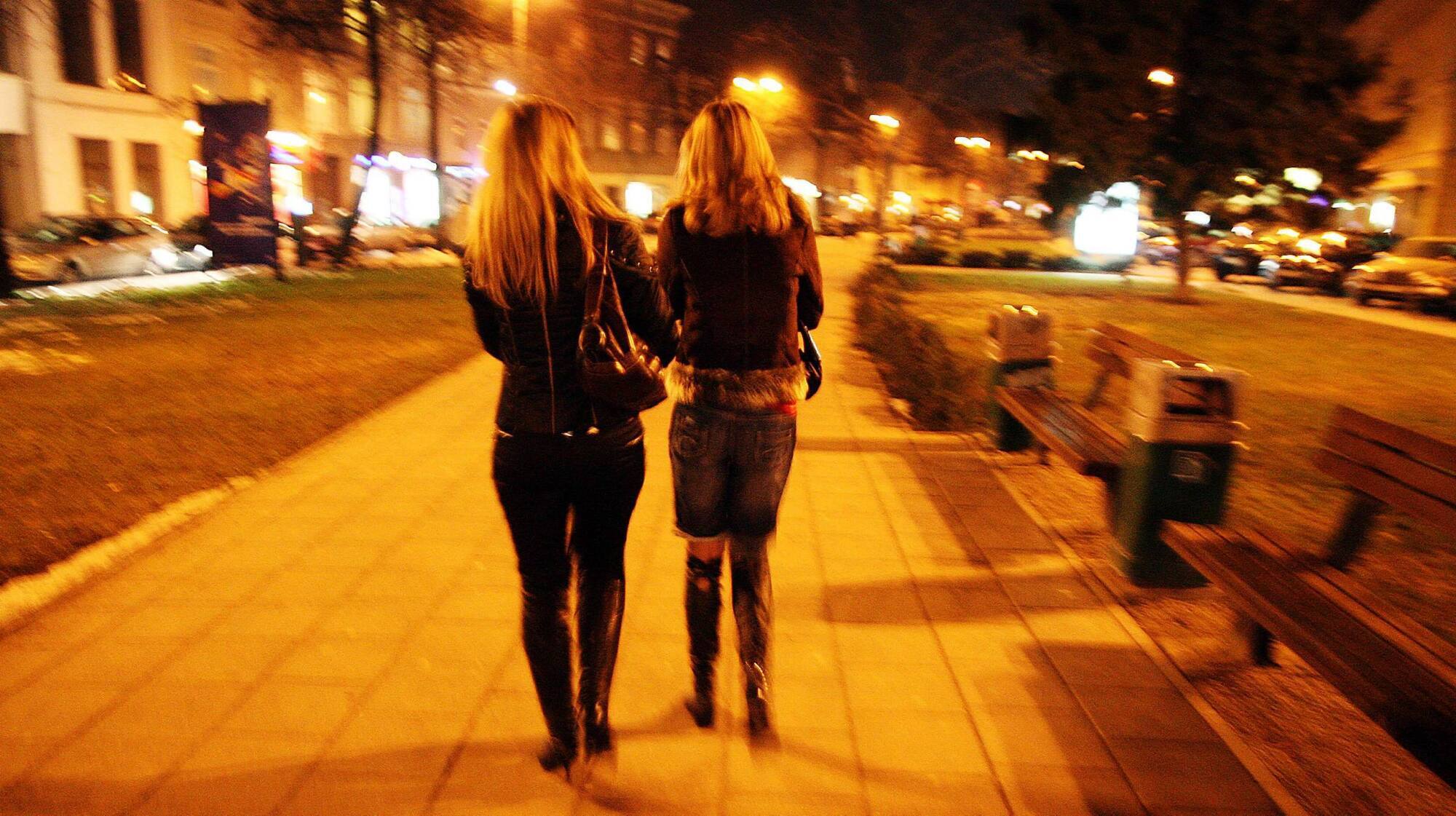
Ireland adopted the 'Nordic Model' in 2017, criminalising the purchase of sex, not the selling of sex.
More than 80 academics, lawyers, doctors, criminologists have lodged a submission advocating repealing Ireland's sex work laws.
In July, solicitor Maura Butler was appointed as the Independent Expert to conduct the promised three-year review of the 2017 legislation which criminalises payment for sex.
The review includes a public consultation process, and written submissions are also being accepted.
The "diverse group of academics" from the University of Limerick, UCC, UCD, Trinity College, Maynooth University, NUI Galway, Griffith College, Technological University Dublin spans "lawyers, sociologists, criminologists, historians, economists, medics, nurses, psychologists, media studies scholars and more".
They lodged their submission today arguing: "There are a number of fundamental flaws with Part 4 (the part of the law that criminalises purchasing sex) that mean it should be repealed.
"The current law makes sex work more dangerous.
Ireland adopted the “Nordic Model” on March 27, 2017, criminalising the purchase of sex, not the selling of sex, which the Government says is aimed at tackling trafficking and protecting vulnerable people in prostitution.
Sex worker organisations have railed against the change since it was implemented, saying the laws make workers more vulnerable.
The first prosecution of a male client took place two years after the law was implemented, while a number of women have been arrested and deported for brothel-keeping offences.
Brothel-keeping legislation has proved especially contentious as many workers (the majority of whom are women) prefer to work in a shared property with a friend for safety reasons. However, this practice amounts to a brothel under the law and would see those involved arrested.
UglyMugs, a sex workers safety service estimates 6,000-7,000 sex workers interact with their services annually across the whole island, and this is most likely an underestimate.
Prostitution offences have dramatically increased since the introduction of the Act, 34 in 2016 to 112 in 2019.
The submission argues Ireland should seek a harm-reduction model: "The laws and regulations relating to the sale and purchase and organisation of sex work should be repealed in order to achieve that objective.
"We understand the intention of criminalising of the buyer was to signal the wrongfulness of sexual violence and exploitation, we do not agree that it is actually making sex workers lives better. We submit that it is actively creating a climate of risk and danger.
"The State’s obligations to protect its subjects require an approach that prioritises the safety of sex workers, while supporting and facilitating their withdrawal from this industry.
"The current legal framework places sex workers at odds with the police and the criminal process and risks their health and their safety.
"Research clearly shows that the most effective way to enhance their safety is to improve their relationship with police and the criminal justice system."
CONNECT WITH US TODAY



Be the first to know the latest news and updates