Dublin Simon report shows health crisis mounting among homeless population
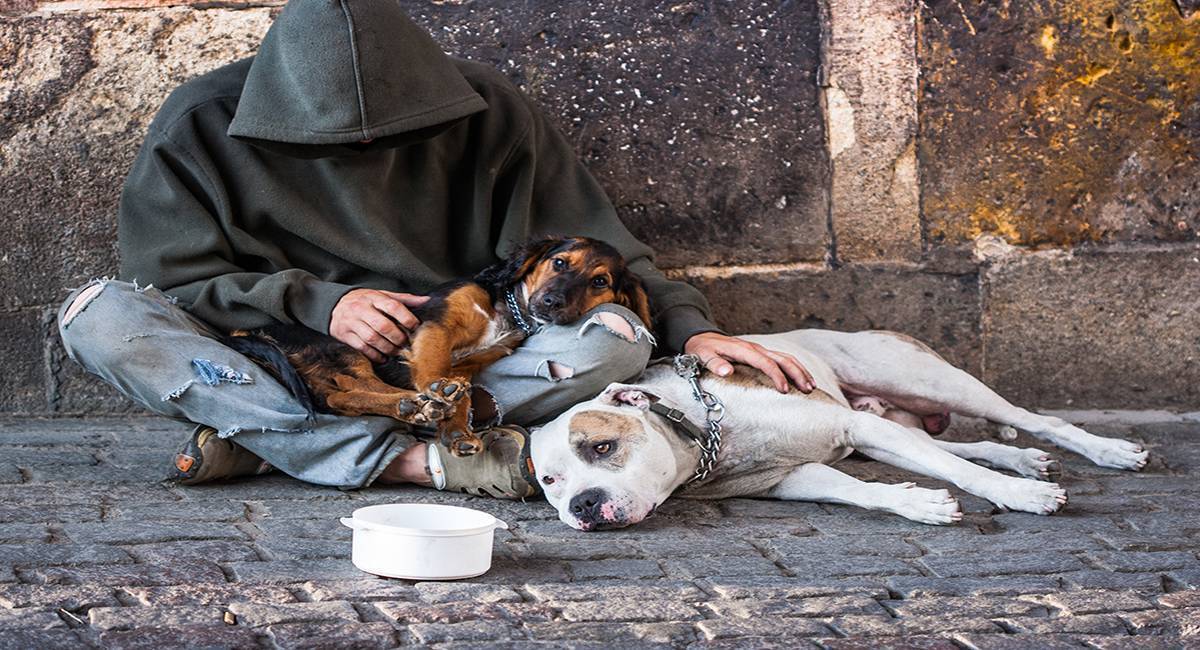
The most recent update provided to Dublin City councillors by the Dublin Region Homeless Executive (DRHE) said shielding (previously cocooning) has resulted in 200 homeless individuals currently residing in shielding facilities. File image
Dublin Simon has warned of a health crisis among the homeless population in the capital due to underfunding and a shortage of suitable accommodation.
The organisation launched its 2019 annual report on what is International Suicide Prevention day and revealed that its Crisis Suicide Service for people who are homeless averaged two critical, life-saving interventions each day last year.
Dublin Simon Community saw an 18% increase in demand for homeless healthcare services in 2019 and provided access to treatment to 1,281 people.
There was also an increase in waiting times for access to related services over the previous year. For example, for access to detox services the wait time increased by 84%.
There was also a surge in demand for health supports with the organisation saying that analysis shows 53% of emergency accommodation residents require mental health support - the vast majority of whom (90%) have additional physical health or addiction issues.
But despite increased demand for services Dublin Simon Community CEO, Sam McGuinness, warned of the need to avoid a health crisis among the homeless population as a consequence of health underfunding and increasing homelessness numbers due to accommodation constraints.
@Dublin_Simon sees growth in demand for health supports as analysis shows 53% of emergency accommodation residents require mental health support, of whom (90%) have additional physical health or addiction issues
— Dublin Simon (@Dublin_Simon) September 10, 2020
Full Report: https://t.co/2KtrMxcWYT#AnnualReport #NoGoingBack pic.twitter.com/3AhIqd1que
“Demand for treatment services to meet the critical health needs of our homeless population has grown throughout 2019 with further growth experienced this year due to the impact of Covid-19,” he said. “Within our own treatment services we are presently faced with an ongoing funding deficit of at least €1m per year.
“Although we are seeing positive results in resettling 2,435 people and preventing a further 1,016 people from entering homelessness, the outlook within our emergency accommodation is daunting.Â
He said that group’s health needs are particularly high: "53% have a requirement for mental health support, 23% have both mental health and addiction issues, 19% have mental health, addiction and physical health issues and a further 19% have addiction and physical health issues.”Â
Dublin Simon’s Sure Steps Counselling includes a specific out-of-hours Suicide Prevention service, in partnership with the National Office of Suicide Prevention, of which only the out-of-hours service receives funding.
Read More
Last year 2,850 hours of counselling were provided - an annual increase of 17% - and 20% of these hours were crisis interventions for suicidality, an average of two per day.
Some 80% of all referrals to the service came from those on the street or in emergency accommodation and increased demand for non-crisis services saw a 240% waiting time increase for Sure Steps Counselling daytime services over the past two years.
Sam McGuinness said: “Since 2014, health spending in homeless services stagnated while homeless numbers accelerated. It is not even close to meeting the needs of the sector.”Â
"We are at a critical moment here. We must catch These people before they fall down the well of homelessness, because it is too hard to climb back out. A winter like never before is coming and these people simply cannot be left out in the cold."
— Dublin Simon (@Dublin_Simon) August 28, 2020
Elsewhere, its 12-bed residential intermediate care facility, Step-Up-Step-Down, in its first full year of operation, treated 172 patients in 2019 with an average stay of 17 days.
Majella Darcy, Head of Treatment Services in Dublin Simon Community, referred to the increased challenges created by the Covid-19 pandemic.
“The pandemic required us to take a whole new approach in the way we deliver services and support our clients and residents. Services such as counselling moved online and virtual and we implemented an Emotional Support Freephone Service for the Homelessness sector. In the first seven weeks of operating this service delivered 300 hours of phone counselling.
“In 2019, the most prevalent primary reason for admission to our in-patient Step-Up-Step-Down Unit was a respiratory condition. This highlights the extreme vulnerability of our clients during the pandemic.
“Our clinical nursing staff were trained in Covid-19 testing and supported the HSE and Safetynet Primary Care in conducting testing amongst the homeless population. Our Step- Up-Step-Down service supported hospitals by providing 20 acute medical beds to free up space for Covid-19 patients in public hospitals. We expect these services to be under continual pressure while the pandemic is still active.”Â
The most recent update provided to Dublin City councillors by the Dublin Region Homeless Executive (DRHE) said shielding (previously cocooning) has resulted in 200 homeless individuals currently residing in shielding facilities.
Please see August 2020 Report on COVID-19 and Homelessness issued from @DubCityCouncil and @HomelessDublin See: https://t.co/qbq01L2Llc pic.twitter.com/0e4FMqYmnu
— Homeless Dublin (@HomelessDublin) September 7, 2020
“The DRHE, in partnership with the HSE, are currently carrying out an exercise to identify any further individuals that may require shielding to ensure that the more vulnerable are protected,” it said.
Since the start of the pandemic in excess of 850 people accessing emergency accommodation or rough sleeping have been tested for Covid-19 and there were 59 confirmed cases across Homeless Services in the Dublin Region up to the end of July.
The DRHE said: “Sadly there were two deaths (both known to each other) in a Long Term Supported Facility. The most recent confirmed case occurred in the first week of August.
“The number of confirmed cases has continued to decrease since the onset of the pandemic.”