HIQA: 68 patients accidentally exposed to ionising radiation in Irish hospitals last year
HIQA: 68 patients accidentally exposed to ionising radiation in Irish hospitals last year

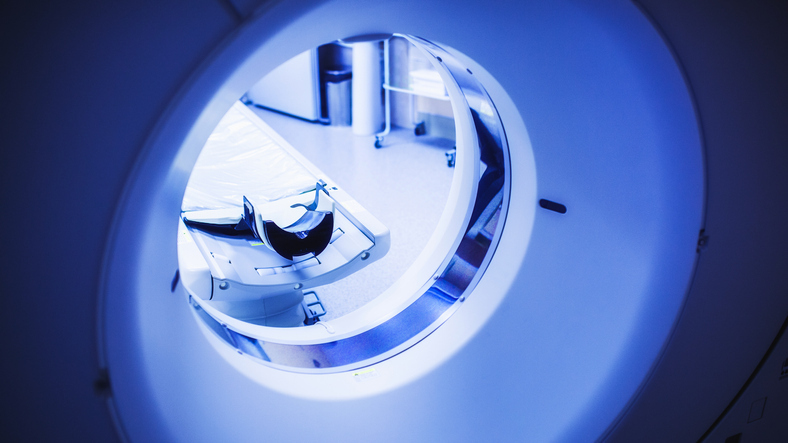
55 of the 68 notifications reported to HIQA related to diagnostic imaging, with 46 of those pertaining to a patient being incorrectly imaged for a Computed Tomography (CT) scans. Picture: File Picture/iStock

68 people were unintentionally exposed to ionising radiation in Irish hospitals in 2019.

The Health Information and Quality Authority (HIQA) today published its first overview report on significant events of accidental or unintended medical exposures in 2019.

From January 1 to December 31 of last year, 68 notifications of significant events of accidental or unintended medical exposures to patients in public and private facilities were brought to HIQA's attention.

The most common errors reported were patient identification failures, which resulted in an incorrect patient receiving an unintended exposure to ionising radiation.

HIQA says that these errors took place at various points in the health services patient pathway - from referral to initial exposure - and that these errors, therefore, highlight key areas for improvement.

HIQA says that while the number of radiological procedures carried out in Ireland, in both public and private practice, "can be conservatively estimated at over 3m per year," "an occurrence of any significant incident is unwanted."

John Tuffy, Regional Manager for Ionising Radiation, said: “The overall findings of our report indicate that the use of radiation in medicine in Ireland is generally quite safe for patients. 

"The incidents which were reported to HIQA during 2019 involved relatively low radiation doses which posed limited risk to service users.

“However, there have been radiation incidents reported internationally which resulted in severe detrimental effects to patients so ongoing vigilance and attention is required.“ 

55 of the 68 notifications related to diagnostic imaging, with 46 of those pertaining to a patient being incorrectly imaged for a Computed Tomography (CT) scans.

13 of the notifications related to radiotherapy services.

There were no reported incidents from the areas of dental, dual-X-ray absorptiometry (DXA) and mammography.

HIQA says that it also noted an "absence of reporting" from some areas associated with potentially high radiation doses - namely, cardiology and interventional radiology.

HIQA says that the "finding of low levels of reporting from these services highlights a specific area for increased assessment and attention."

“As the regulator of medical exposures, HIQA has a key role in the receipt and evaluation of notifications received," John Tuffy said.

"Reporting is important, not only to ensure an undertaking is compliant but because it improves general patient safety in service and can minimise the probability of future preventative events occurring.”   

It was noted that in many of the notifications submitted to HIQA, there was an emphasis on the error of an individual or individuals involved in the process, rather than the evaluation of the system error that led to such incidents happening.

John Tuffy added: "The key areas identified in this report will inform service providers of the types of issues that are common in diagnostic radiology and radiotherapy facilities but will also assist learning to prevent future preventable incidents occurring.”

More in this section

Lunchtime News

Newsletter

Keep up with stories of the day with our lunchtime news wrap and important breaking news alerts.

Cookie Policy Privacy Policy Brand Safety FAQ Help Contact Us Terms and Conditions

© Examiner Echo Group Limited