Embassy audits highlight concerns over cash transactions
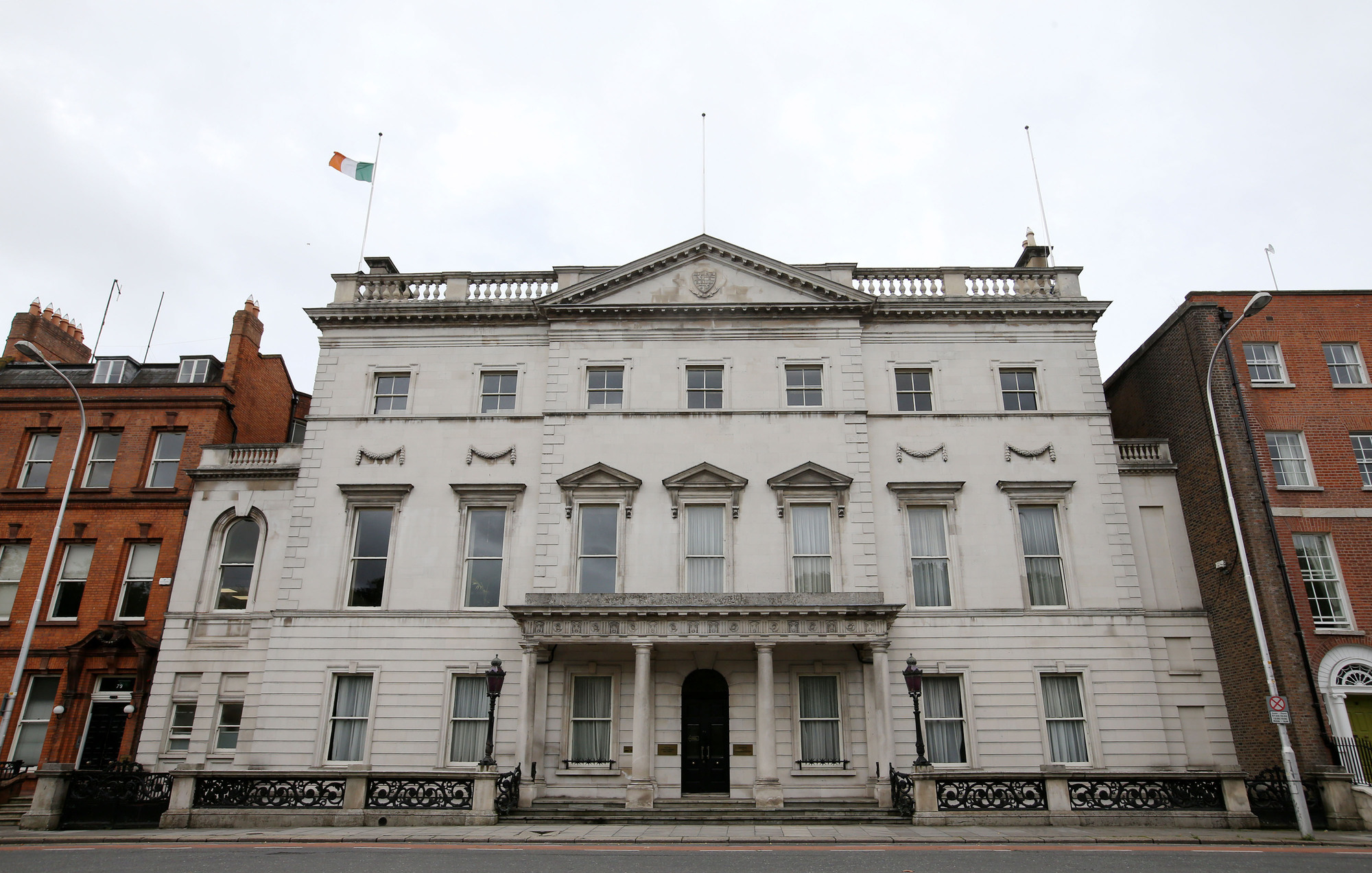
Embassy audits highlight concerns over cash transactions

The report suggested that better support could be offered by DFA headquarters back in Dublin. 

Holding more than €16,000 in cash for a deposit on a security contract, getting refused for a credit card, and incomplete receipts to back up hotel stays were among the issues raised in a series of Department of Foreign Affairs audits of its diplomatic service.

An internal audit of the Embassy in Beijing details how it was having to make large weekly cash deliveries, such was the level of visa fees being received from Chinese citizens.

Separately, the report also criticised an instance where €16,000 was held in a safe as part of a down-payment for security work that took place.

The audit – which was released under Freedom of Information – said that sanction had been given for an €80,000 security contract with an 80% payment in advance. The remaining 20% was due to be paid on completion, according to the records, but the work did not take place for more than six months.

The Embassy said that while paying so much up-front might “seem excessive”, it had involved the advance purchase of a good deal of security equipment.

The report concluded: “It is recommended that holding of such large cash amounts in the safe to facilitate [such payments] … should cease.” 

Difficulties with managing €1.12m in annual visa fees were also outlined in the report.

It said weekly cash deliveries were being made from the visa office by the embassy's official car back to the embassy, where it was stored overnight for bank lodgement.

The report said: “Embassy Beijing informed us that they made recent efforts to move away from cash in their consular services, as they were subject to a much-increased workload.” 

In Warsaw, the Embassy had been repeatedly refused a credit card by their bank, according to another internal audit.

This meant embassy staff having to make payments for online purchases from their personal credit cards and claiming back expenses.

The report also said there was sometimes incomplete documentation to back up expenditure, mainly on hotels. Usually, this involved providing no detail on the purpose of the visit, according to the audit.

The Warsaw report also said there appeared to be a dependence on petty cash to cover things like fuel for official vehicles, gardening and cleaning materials, paying staff for weekend duty, and tolls and parking.

The report also said there was confusion over official policy on replacement of official vehicles.

The Embassy had been purchasing a new Skoda Superb – which ended up costing €31,968 in addition to the €8,325 trade-in value of the old car.

At the Irish Embassy in Malawi, an internal audit found that two old vehicles – replaced by newer vehicles – had been left lying idle.

The report also detailed how the Embassy was experiencing serious difficulties in retaining staff which resulted in constant recruitment drives, retraining of new people, and carrying vacancies for extended periods.

x

More in this section

Lunchtime News

Newsletter

Keep up with stories of the day with our lunchtime news wrap and important breaking news alerts.

Cookie Policy Privacy Policy Brand Safety FAQ Help Contact Us Terms and Conditions

© Examiner Echo Group Limited