Stigma and access to treatment among the barriers to obesity treatment, says HSE Clinical Lead
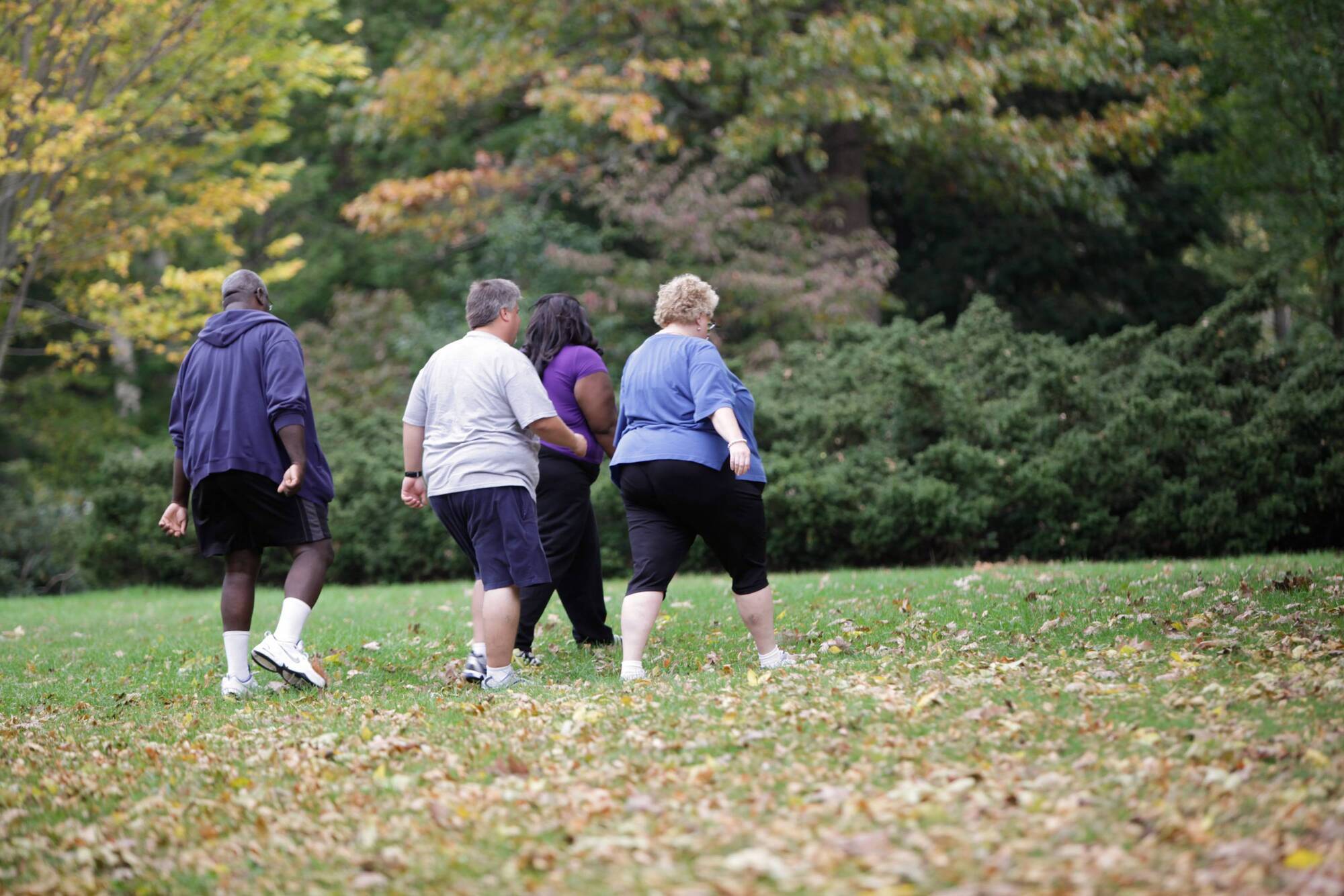
Society needs to redefine obesity to end the stigma and judgement associated with the chronic disease and treatment options should be made more widely available, the HSE clinical lead for obesity has said.
Professor Donal O’Shea was speaking ahead of a half-day summer school on obesity on Thursday, hosted by the HSE and Royal College of Physicians of Ireland.
The virtual event, aimed at members of the public and health professionals, saw 1,000 people sign up and also heard about HSE plans to roll out a new model of care to treat people with obesity.
In Ireland, around 25% of the adult population is obese and a further 40% are overweight, while 25% of children are overweight or obese, which presents a risk to health.
The Covid-19 pandemic has also prompted concerns that people with obesity are particularly vulnerable and have a higher rate of serious complications.
While obesity rates in Ireland are “levelling off” across the whole population, they are rising in lower socio-economic groups and leading to greater health inequality, Professor O’Shea told the .
Stigma and judgement, he said, continued to present significant barriers and, as a society, we need to redefine how we talk about obesity, which is a product of our genes and environment.
“The biggest barriers are stigma and judgement of people who are living with obesity as not deserving of treatment because it’s their fault and if they ate less and moved more they would be fine,” Professor O’Shea said.
A rapid change in the environment, the consultant endocrinologist said, has led to more extreme obesity, which has fuelled more comment, stigma, and judgement.
“We have a lot more people living with extreme obesity now than we did 30 years ago. Our genes haven't changed but our environment has,” he said.
The causes of obesity are manifold and can range from dietary issues, emotional eating, to medication-induced weight gain but Professor O’Shea said focussing only on diet and physical activity will not treat obesity.
Treatment options - such as a hormonal treatment to control hunger, energy burn, and sense of fullness, or bariatric surgery to reduce the size of the stomach - must be made more widely available, Professor O’Shea said, in particular to the “less well-off" who cannot afford such treatments.
“We are doing around 100 bariatric surgery operations per year but should be doing between 800 to 1,000 per year if you look at other countries of our size,” Professor O’Shea said, adding that public patients are facing four- to five-year waiting lists for the procedure.
“We need access to medication for medical card holders; currently they do not have access to medications to treat obesity,” he added.
The HSE, he said, is focussing on obesity as a key health priority. “We’re presenting a model of care for managing obesity in Ireland from primary care right up to bariatric services for children and adults,” Professor O’Shea said, adding that funding will be required “at every level of the health service” including GPs, community care, multidisciplinary teams and surgery.


CONNECT WITH US TODAY



Be the first to know the latest news and updates