Self-testing for Covid could be an option, according to HIQA
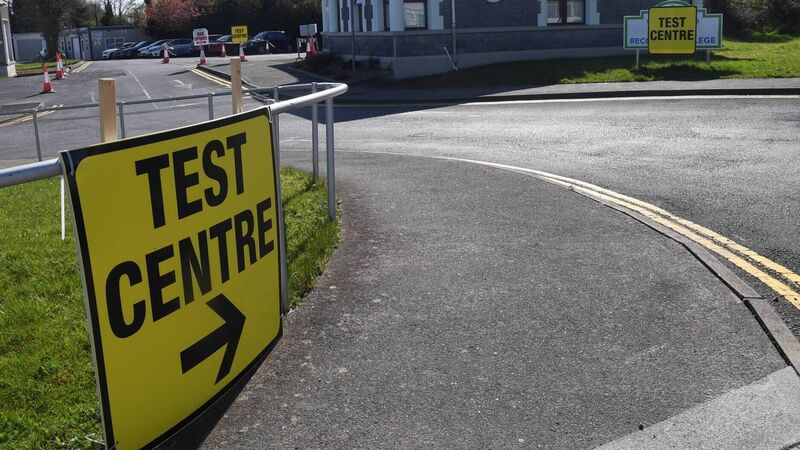
Self-testing could soon be offered to people who need to find out if they have Covid, according to HIQA.
The Health Information and Quality Authority said the use of alternatives may offer less invasive options with potential benefits.
These could include improved patient comfort, reduced transmission risk for healthcare providers, and the possibility of a self-collected method.
Although the body recognised self-testing and alternatives to the current painful nose to throat swab method is a “rapidly emerging area”, it urged caution.
In its review of different methods used to detect the virus, the body warned that use of alternatives would depend on further evidence of their effectiveness and reliability.
“There was a lack of consistency in methods used to collect the saliva and nasal specimens, and the quality of included studies was generally low,” HIQA noted.
HIQA’s Deputy CEO and Director of Health Technology Assessment, Dr Máirín Ryan, said: “The current standard for detecting the virus in Ireland comprises a combined nasopharyngeal-oropharyngeal (back of the nose and throat) specimen which is collected by a healthcare professional.
“We looked at whether saliva or nasal specimens may offer a viable alternative as they are less invasive, so may be more acceptable in terms of comfort, particularly for children.
“Supervised self-testing, where the person takes the swab themselves, may also be an option with these specimen types.
“This could reduce the risk of infection for healthcare professionals.
“The research suggests that, in certain circumstances, saliva or nasal specimens may offer viable alternatives to the traditional test specimens pending validation studies by the National Virus Reference Laboratory and HSE to establish performance in the Irish setting.”
Read More
HIQA has also published details of reviews on the importance of contact versus droplet transmission, and whether airborne transmission contributes to the spread of SARS-CoV-2.
Dr Máirín Ryan said respiratory viruses typically transmit through contact, droplets or aerosols (airborne).
Understanding the contribution of different routes of transmission is important when designing infection prevention and control measures.
She said: “We found limited, low certainty evidence that Covid-19 may be transmitted via aerosols.
“However, it is not known if this is restricted to specific contexts, such as in low temperature or enclosed or poorly ventilated environments.
“While spread appears to be primarily by contact and droplet transmission, the relative importance of aerosol transmission is unclear and is likely context-specific.”
She said the evidence HIQA has published underlines the importance of adhering to a range of infection control measures, including face coverings, respiratory etiquette, hand washing and maintaining a safe physical distance.
This was, she said, important to “reduce the spread of infection and protect the most vulnerable in our society”.
HIQA has also updated its evidence summary on the potential spread of the virus by children.
The body noted there is currently limited information on the contribution of children to the transmission of Covid-19.


CONNECT WITH US TODAY



Be the first to know the latest news and updates