Breastfeeding rates recover after initial decline during Covid-19 outbreak
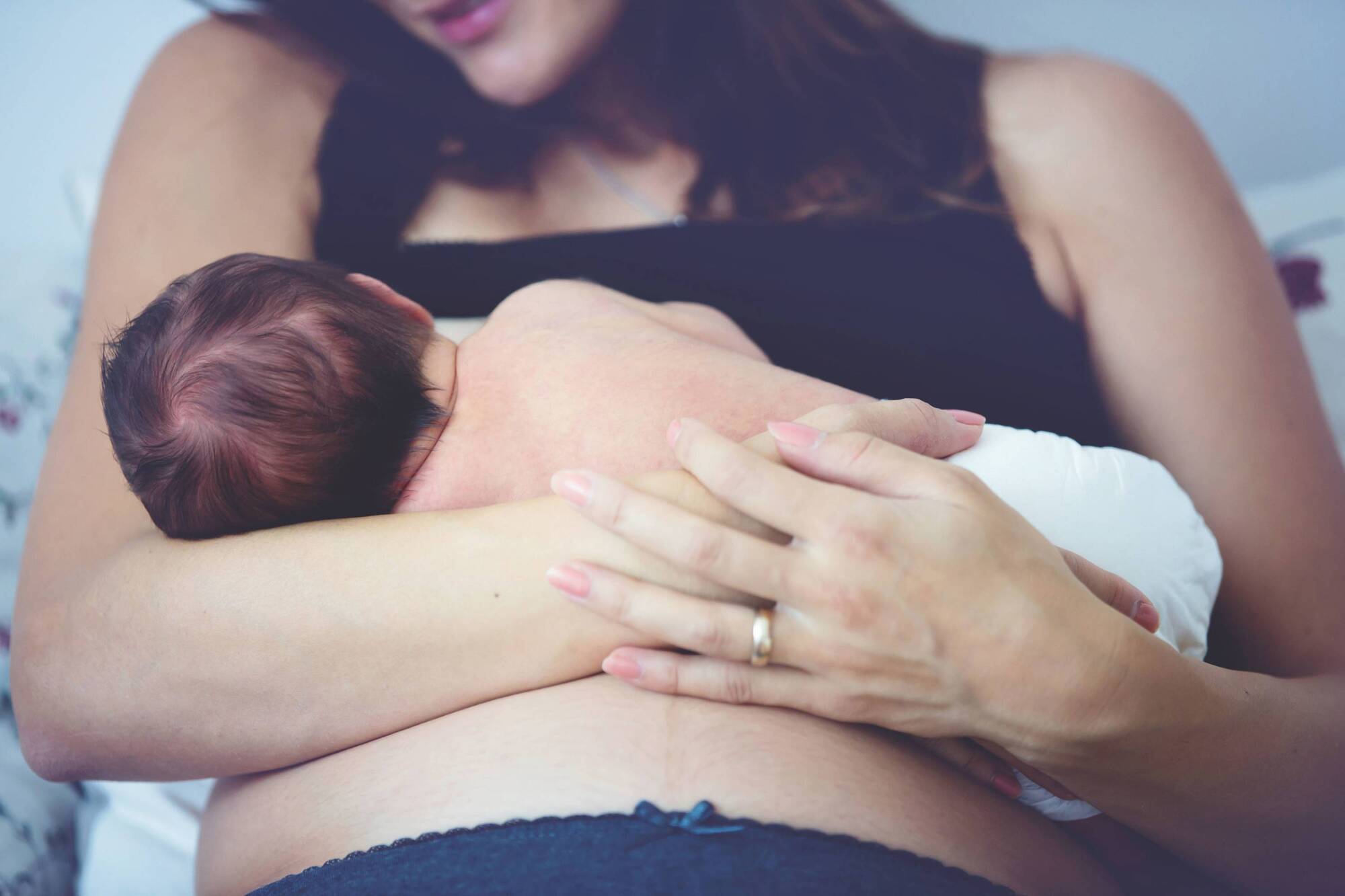
Expanded community supports by a maternity hospital played a critical role in maintaining breastfeeding rates during the public health crisis.
The Rotunda Hospital in Dublin found that at the end of June, seven-out-of-ten mothers had started breastfeeding before being discharged from the hospital.
The breastfeeding rate achieved by the hospital, that is celebrating World Breastfeeding Week, was in line with last year’s figures.
Over the first three months of the year, breastfeeding initiation rates dropped slightly by 3% to 67%.
However, by the end of June, the numbers had stabilised to what they were before Covid-19 and increased to 71%, up from 70% in 2019.
Master of the Rotunda, Prof Fergal Malone, said they recommended that mothers breastfeed their babies to give them the best start in life.
“Unsurprisingly, we noticed breastfeeding rates reduced slightly during the first three months of the year, which we can attribute to a lack of understanding about the Covid-19 virus and how it spreads,” said Prof Malone.
During the public health crisis, the hospital’s community midwives increased their home visits by 43% to ensure that all mothers could be fully supported in establishing infant feeding.
Midwives operated in a wider catchment area that included areas north and south of Dublin and in Meath, Louth and Kildare.
Director of midwifery and nursing, Fiona Hanrahan, said community midwives increased their home visits by 43% during the height of the pandemic in April.
Ms Hanrahan said they wanted to ensure all mothers could avail of the full support to establish infant feeding, regardless of where they lived.
The figures compiled by the hospital also show that only 4% of mothers stopped breastfeeding before discharge in the first six months of 2020, compared to 7% last year.
The World Health Organisation is recommending that mothers with suspected or confirmed Covid-19 should be encouraged, the same as all other mothers, to initiate or continue to breastfeed.
Also, mothers should be advised that the benefits of breastfeeding for newborn babies and children substantially outweigh the potential risks for Covid-19 infection.
Breastfeeding has been proven to protect children from ear infections, diarrhoea, respiratory infections and Sudden Infant Death Syndrome.
There are also health benefits for women who breastfeed and maternal benefits increase with the time spent breastfeeding. Studies show a reduced risk of developing type 2 diabetes and a reduction in ovarian cancer.
There is also an association between breastfeeding and reduced maternal depression.
The WHO says standard public health measures are often the most effective.
CONNECT WITH US TODAY



Be the first to know the latest news and updates