HSE advise public on how to perform CPR on a suspected Covid patient
The HSE has warned people not to put their mouths or cheeks near a person's face if they have collapsed in a public space.
While emphasising the performing of cardiopulmonary resuscitation (CPR) is necessary to help somebody while waiting for an ambulance, they have outlined revised guidelines on how to perform it.
“For many people who were willing to carry out CPR it is now more difficult to know what to do because of Covid-19," said Prof Martin Cormican, National Lead for Infection Control and Antimicrobial Resistance.
"We understand that this decision is very personal. Our advice sets out seven practical steps to reduce the risk while performing CPR, which also gives the person who has collapsed the best chance of survival during the Covid-19 pandemic," he added.
If it is suspected that the person who has collapsed has Covid-19, the steps to take are as follows:
- At all times keep your hands away from your face
- If a person has collapsed in a public space, do look for signs of breathing and signs of life
- Don’t listen or feel for breathing by placing your ear and cheek close to the person’s mouth
- Dial 112 or 999 and ask for an ambulance. If Covid-19 is suspected, tell them when you call
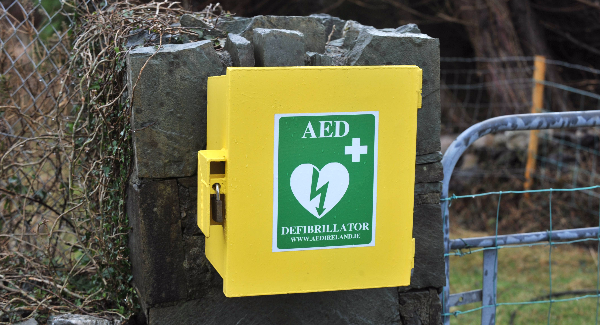
- Use an defibrillator as soon as possible. This significantly increases the person’s chances of survival. Place the pads on the person’s chest and apply a shock, if prompted. This is a safe procedure and should be attempted by a first responder
- Perform chest compressions only. Do not give mouth-to-mouth rescue breaths. If there is a perceived risk of infection, you should place a cloth/towel over the person’s mouth and nose and attempt compression-only CPR and early defibrillation until help arrives
- Afterwards, clean your hands using soap and water or an alcohol-based hand sanitizer. Clean and disinfect the defibrillator if used
CONNECT WITH US TODAY



Be the first to know the latest news and updates