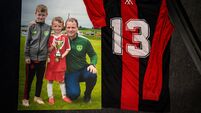
On the Covid-19 frontline at Cork University Hospital: 'The surge, thankfully, hasn’t come’
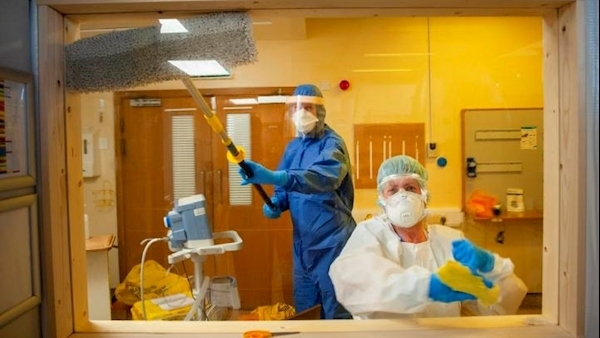
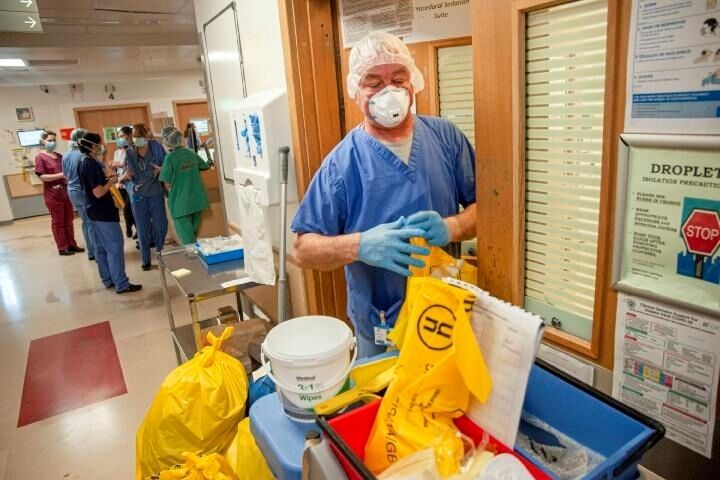
Under layers of personal protective (PPE) equipment, staff at Cork University Hospital (CUH) work long hours fighting the Covid-19 pandemic.
A patient lies in an intensive care bed surrounded by five attentive medics, while outside the room, others make careful notes at hallway desks, process blood tests in the laboratory, and forensically clean every inch of the hospital, from floor to ceiling. But along with concentration-furrowed brows are grins.
Glimpses of friendly banter among doctors in the corridors, eyes creased in laughter above surgical masks.
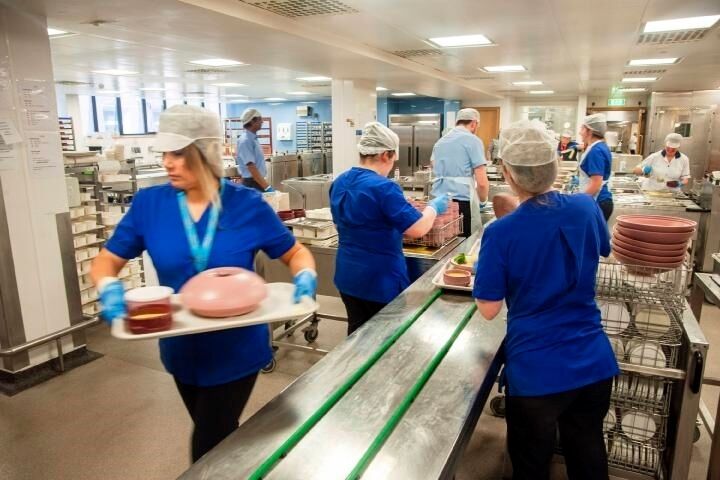
Or catering staff sharing jokes as they prepare huge quantities of food in the cavernous kitchen - each spaced at least 2m apart.
And construction is under way in some parts of the hospital, where new wards are being painted in preparation for patients.
Gerard O’Callaghan, hospital CEO, said the situation is currently stable at CUH.
The hospital has had about 30 Covid-positive patients for the last three weeks — as some heal, others come in to take their place — but the numbers have not increased much in the last 14 days.
“There’s a stream coming in, but it’s being managed well,” Mr O’Callaghan said.
“Staff have been terrific. They have been totally committed to looking after all patients — whether Covid-positive or not.
"We have suspect cases as well which have to be treated as positive until we get the results.
"There’s great teamwork across all of the disciplines.”
Six Covid-positive patients are currently in intensive care in the hospital, leaving 18 intensive care beds open. But another 50 ICU beds could be opened up if a surge comes, Mr O’Callaghan said.
“We don’t have any problems in relation to intensive care.
"Quite a few Covid-positive patients don’t need intensive care, and they’re in separate isolation areas of the hospital.
“It’s been a challenge the last few weeks but it’s worked out very well. We’ve been lucky that we have not had the major surge that was expected.
"Maybe that’s down to the fact that we had time to prepare and social distancing has worked.
“Looking at figures nationally, we’ve done very well. We’re nowhere near what was predicted.
"But I don’t think anyone will come out and say that we have definitely got beyond the surge because no one knows what will happen next.

"We don’t know enough about this virus.”
Despite the hard work and brilliant progress made in the fight against the virus at CUH, lives have been lost.
“We haven’t experienced any great surge but there have been some deaths unfortunately,” Mr O’Callaghan said.
“Anyone who has passed away here has had other co-morbidities - there was an underlying health problem.
"And those with underlying health problems and the elderly have been most at risk.
“Everyone can pick up the virus, but recovery seems to be better in young people. The ones that don’t have co-morbidities.”
But despite the deaths, every one of which is tragic, he does not currently foresee the necessity for temporary morgues — like the grim resting places pictured in Italy and the US — to have to pitch up outside his door.
“At the moment it doesn’t look like those will be required. We’re hoping that we’ve flattened the curve but we’ll just have to wait and see.”
Mr O’Callaghan said the hospital’s in-house labs can now process a Covid-19 test in just three to four hours. And the hospital has ramped up capacity so it can get through 300 or 400 Covid tests in one day.
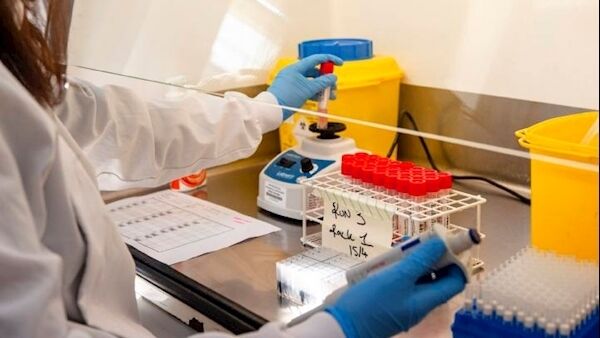
“We have a very good testing system,” he said.
“The labs turn the tests around in three to four hours, potentially, we could get about 300 or 400 test results through every day.
“We’ve upgraded our system here over the last few weeks. We’re testing not just for the hospital but we’re also providing tests for our public health colleagues and for some other hospitals.”
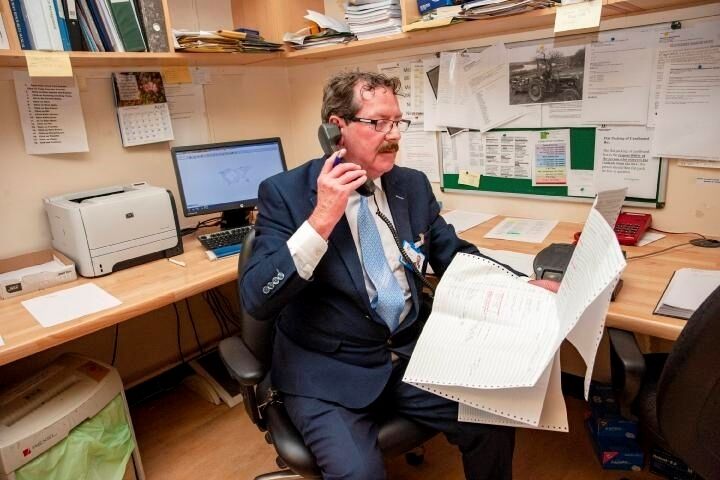
He said CUH has no great backlog in test requests, but the national shortage was due to a limited supply of reagent - the chemicals used to process Covid-19 swabs - with too many laboratories relying on the same source.
But labs have since upgraded their systems nationally and are using different reagent sources.
“We’re not all pulling from the same pot of reagents. That’s worked very well. We’re all utilising different systems so the shortage is not so bad now,” he said.
Only a very small number of staff have tested positive for the virus at CUH, he said, and the hospital gives daily training in safety equipment and donning and doffing - medical speak for dressing in and removing PPE - to keep staff safe.
“Every day donning and doffing training is going on which is really important.
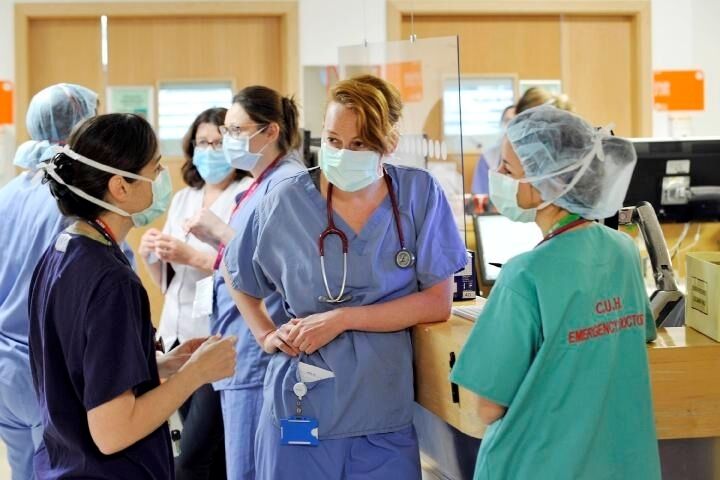
“You have to know how to put them on properly but taking them off is really critical to ensure that you’re not exposing yourself to potential risk.
"That’s ongoing and it’s working very well.”
He said that the pandemic has turned work at the hospital on its head - instead of filling beds management have had to try to keep them empty in anticipation of the harrowing surge experienced in Italy.
“Our objective here was to clear space in the hospital, get as many ventilators into the hospital, have enough beds available for a surge, and train up people to ensure staffing was adequate if we did meet a surge.
"So, we haven’t had the same level of attendance in our emergency departments and we have cancelled a lot of non-urgent surgeries and outpatient clinics to free up space in the hospital.
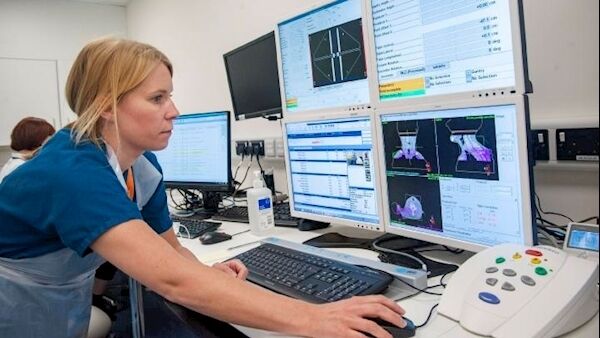
"It’s been very different. We tried to create space so that we wouldn’t have Covid-positive patients in the same area as non-Covid.
“The surge, thankfully, hasn’t come yet, and that’s where we’re at. It’s a very surreal situation.
"We’re just waiting to see if anything happens. But at the moment things are quite stable.”
And since last weekend, possibly precipitated by some DIY accidents and a lessoning fear, non-Covid patients have started to return to the hospital, he said.
“Since the weekend, numbers have actually started to go back up again in the emergency department.
"We’re starting to see non-Covid people coming to the hospital again.
"We’ll probably be quite busy for a while we get out of this.
"We’re just hoping people have not stayed away too long.”
- Shop for essential food and household goods;
- Attend medical appointments, collect medicine or other health products;
- Care for children, older people or other vulnerable people - this excludes social family visits;
- Exercise outdoors - within 2kms of your home and only with members of your own household, keeping 2 metres distance between you and other people
- Travel to work if you provide an essential service - be sure to practice social distancing
CONNECT WITH US TODAY



Be the first to know the latest news and updates