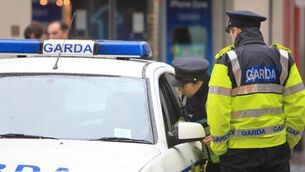
AA: Motorists are paying too much for petrol

Drivers paying significantly more than 127c a litre to fill up the tank in these times of financial stress are likely paying far too much, new AA figures suggest.
Its survey comes as the jury is still out on whether the touted weekend deal by oil producers to pump less crude oil will nudge petrol prices higher.
Brent crude rose only slightly yesterday to $32 a barrel amid renewed scepticism that the unwieldy alliance will hold the line, as large chunks of the world’s economy are effectively in lockdown.
Retail petrol prices in Dublin, Cork, Galway, and Limerick are likely to be higher than the 127c average, because city forecourts charge more than their rural cousins, according to the AA.
Petrol cost 147c a litre in late 2018 — the highest level recorded in recent years — and fell back to around 133c by January last year.
It surged all the way back up to 144.5c at the start of this year, just before the onset of the Covid-19 pandemic, and the huge shakeout of millions of jobs across Europe and the US.
However, the AA survey does little to answer the perennial question that has bothered drivers for decades: Why do petrol pump prices always appear to rise quickly when the price of global Brent crude is gushing higher, but seems to take an age to fall when crude prices are slumping?
Experts say it takes about two weeks for significant price changes in global crude to feed through to the refined oil products market in Rotterdam that sets wholesale prices for Europe.
However, the slump in crude in recent weeks has been of such a scale that the effect on retail prices should nonetheless be significant.
CONNECT WITH US TODAY



Be the first to know the latest news and updates