Simple behaviours can slow virus spread: ESRI
Cheap, simple changes to public behaviour could slow the spread of the escalating coronavirus pandemic.
Simple behaviours can slow virus spread: ESRI

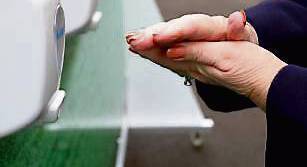
Placing hand sanitiser in key areas can help substantially.

Cheap, simple changes to public behaviour could slow the spread of the escalating coronavirus pandemic.

Over the past week, a new research paper published by the Economic and Social Research Institute (ESRI) has examined more than 100 scientific papers on behavioural science.

The review covers seven topics: Hand-washing, face-touching, isolation, collective action, avoidance of undesirable behaviours, crisis communication, and risk perception.

The evidence on handwashing shows that education and information “are not enough”, the ESRI found.

“Placing hand-sanitisers and colourful signage in central locations (directly beyond doors, canteen entrances, the middle of entrance halls, and lift lobbies) increases use substantially. All organisations and public buildings could adopt this cheap and effective practice,” said the report.

The researchers collected evidence on the psychological impact of isolation and how to help people to cope. Isolation is likely to cause some distress and mental health problems. This should be offset by increased official support, through a dedicated phoneline. People can also be helped to plan isolation and do better by staying in contact with others and keeping up a routine.

The ESRI found that authorities often overestimate the risk of panic, but outlined undesirable behaviours, such as panic-buying of key supplies and xenophobic responses.

Some of the most important findings concern collective action and the simple idea that “we are all in this together”, said the head of the Behavioural Research Unit at the ESRI, Prof Pete Lunn.

He said: “The evidence shows that public-spirited behaviour is much more likely when there is frequent communication of how we can best help each other and strong group identity, not only nationally, but also in smaller groups, like workplaces, schools, and local communities. Polite social disapproval for those who don’t comply is important, too.”

    Useful information
  • The HSE have developed an information pack on how to protect yourself and others from coronavirus. Read it here
  • Anyone with symptoms of coronavirus who has been in close contact with a confirmed case in the last 14 days should isolate themselves from other people - this means going into a different, well-ventilated room alone, with a phone; phone their GP, or emergency department - if this is not possible, phone 112 or 999 and in a medical emergency (if you have severe symptoms) phone 112 or 999
x

More in this section

Lunchtime News

Newsletter

Keep up with stories of the day with our lunchtime news wrap and important breaking news alerts.

Cookie Policy Privacy Policy Brand Safety FAQ Help Contact Us Terms and Conditions

© Examiner Echo Group Limited