Dublin council called on to develop dedicated area where Hindus can scatter cremated remains
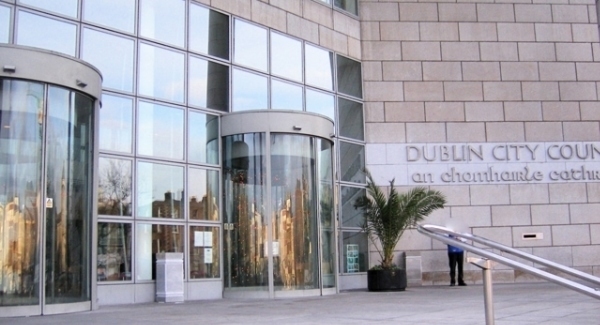
A prominent Hindu statesman is urging Dublin City Council to develop a dedicated area where Hindus in Ireland can scatter the cremated remains of their dead.
Rajan Zed claims that the Hindu population of Ireland has now grown to such a level that it is important for Dublin City Council to make allowances for people to honour their dead appropriately.
The Hindu population of Ireland has significantly increased in recent years.
In the 2016 census, some 14,332 people identified as Hindu. It was a 135.6% increase on the number who identified as such in 2006.
Hindu traditions dictate that the cremated ashes of those who die overseas should be scattered at holy water, such as the Ganges.
There are some areas outside India where this tradition is undertaken too, though.
In 2004, the River Soar in Leicester in Britain was approved for ash scattering. The city has an Asian community of more than 250,000 people.
It is also possible to do so in several other parts of Britain, as well as other countries which have a large Hindu or Sikh population.
Speaking in Nevada in the United States, Mr Zed said the areas in and around Dublin have a substantial Hindu population and that it is important for grieving Hindu families to be able to scatter the cremated remains of their loved ones over a body of water, such as a river or the sea.
He said: "Dublin City Council should work with area Hindu community and other interested communities to create dedicated area along the body of water so that grieving families and friends could gather and perform the last rituals properly, respectfully and peacefully."
Mr Zed urged Dublin's Lord Mayor Paul McAuliffe and chief executive, Owen P Keegan, to "seriously and earnestly delve into developing this dedicated area for scattering cremated remains", which could include installing a platform, raising an open roofed structure like a gazebo and building a link road.
He also offered his own assistance in the design and development process if council officials need it.
"A multi-cultural city like Dublin should be more receptive and responsive to the basic needs of its hard-working, harmonious and peaceful Hindu community; which has made lot of contributions to Ireland, Dublin and society in general; and continues to do so," Mr Zed added.
The call has been backed by the Vedic Hindu Cultural Centre Ireland (VHCCI), though they said they will "not pressure the council" to make the changes.
It is understood that no formal contact has been made with Dublin City Council or the office of the Lord Mayor. A spokesperson for the Lord Mayor said it would not endorse the idea without further investigations.

CONNECT WITH US TODAY



Be the first to know the latest news and updates