Taoiseach intervenes to ensure all women impacted by CervicalCheck scandal get €2,000 ex-gratia payment
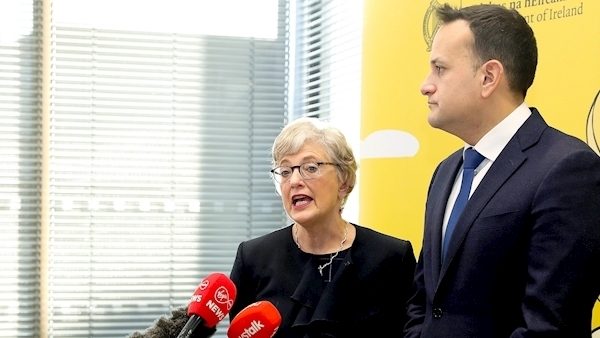
The Taoiseach Leo Varadkar has directly intervened to ensure all women impacted by the CervicalCheck scandal receive a €2,000 ex-gratia payment.

Taoiseach intervenes to ensure all women impacted by CervicalCheck scandal get €2,000 ex-gratia payment

The Taoiseach Leo Varadkar has directly intervened to ensure all women impacted by the CervicalCheck scandal receive a €2,000 ex-gratia payment.

Patient advocates had been informed by the HSE that the payment would not be given to the latest group of 250 women who were identified through the Royal College of Obstetricians and Gynaecologists (RCOG) review.

However, both Mr Varadkar and Health Minister Simon Harris have now indicated that this payment, which was offered to defray some of the costs incurred by patients, will not be blocked.

Following the recommendation of Dr Gabriel Scally, the Government agreed to provide the immediate ex-gratia payment back in 2018 to each woman impacted by the Cervical Check scandal.

Those who were caught up in the controversy were also given other supports including a medical card.

However, the HSE last week wrote to the 221 Plus cervical check patient support group stating that the package of support on offer to the latest group of women "does not include the €2,000 ex-gratia payment".

Mr Varadkar has now said all women should be paid this money and has spoken directly to Health Minister Simon Harris about this.

Patient advocates Lorraine Walsh and Stephen Teap wrote to Mr Harris last week calling on him to treat all women impacted by the controversy equally including the latest group of additional women.

Mr Varadkar said: "The reason why the €2,000 ex-gratia was paid to the 221 group was because Dr Scally requested that that be done in order to cover the costs for women needed to engage with him.

"So, this is slightly different in that the RCOG group of women won't be engaging with Dr Scally. However, they will be engaging and have engaged, for example with RCOG, and may have to engage with the support group as well.

So it is my view that taking that into account, the €2,000 should be extended to the women who had discordant smear results, that may have had a clinical impact and I expressed that to the Minister for Health [on Tuesday] so I would be confident that that can be done.

The recently published RCOG review found that for 159 women, including 12 who have died, there were "missed opportunities" to prevent or diagnose their cancer earlier.

Reacting to the Taoiseach's comments, Mr Teap said: "I really hope this is true, but these are only words until it happens."

Ms Walsh, who resigned from the Cervical Check steering committee after raising serious concerns about the RGOG review, tweeted: "This would be wonderful, I hope it happens. All involved deserve to be treated equally and it sounds like the Taoiseach agrees."

However, they both said they were still awaiting a response from the Health Minister to their letter.

Appearing before the Oireachtas Health Committee, Mr Harris said he will be writing to the CervicalCheck patient support group 221-plus first about extending the €2,000 payment to the additional women.

"As you know when you are a minister you get advice; you get information; you consider it and you make a decision," he said.

"There was a view, a valid view that Dr Scally had recommended that a €2,000 payment be made to people who engaged with his process because they went through considerable expense and inconvenience.

"I think there is a logic that those who participated in the RCOG also obviously had costs and expenses in seeing clinicians and the likes," Mr Harris told the Committee.

More in this section

Lunchtime News

Newsletter

Keep up with stories of the day with our lunchtime news wrap and important breaking news alerts.

Cookie Policy Privacy Policy Brand Safety FAQ Help Contact Us Terms and Conditions

© Examiner Echo Group Limited