Explained: The controversy over the Dáil's electronic voting process
explains how the Dáil's electronic voting process works, and how this controversy has arisen.
A vote, or division, can be called on a motion before the house relating either to the day's business or a piece of legislation under deliberation. A division can be called by either the government or the opposition.
Yes. Voting is the primary function of a TD and the Constitution dictates that “all questions in each House shall be determined by a majority of the votes of the members present and voting other than the Chairman or presiding member”. Any vote found to have been subject to violation is open to legal challenge.
Once a division, or Votáil, is called, bells are rung out across the Leinster House and Government Buildings complex, alerting members to make their way to the chamber to vote.
TDs have six minutes to make the chamber or they will be locked out by ushers at the doors. Before the doors are locked and while the bells are ringing, members can leave the chamber and re-enter.
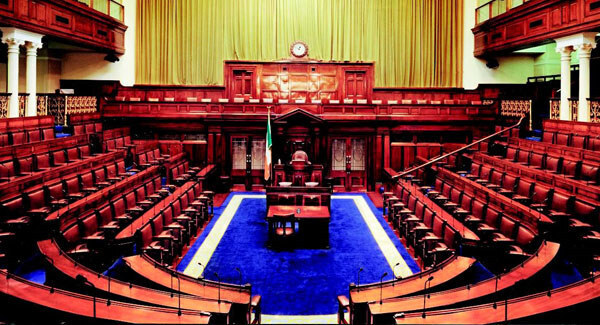
Normally, TDs vote by way of electronic facilities in an assigned seat in the chamber. Each TD is expected to take their assigned seat and await the formal calling of the vote by the Ceann Comhairle. Once in their seat, on a panel in their armrest, a TD will have three options on each vote. There is a green Tá button for yes, a red Níl vote for no, and a blue button for Staon or abstain.
Yes, once the allotted time has expired and the doors are locked, the Ceann Comhairle or acting chair will call for order, read the title of the bill or motion in question, and say there is a division. Members will be told who the tellers are and then the vote is formally called.
TDs will have one minute to cast their vote and can follow progress on a large screen in the Dáil chamber. The big screen, will display the Dáil chamber layout, and highlight the green, red, and blue selections of those present.
If a wrong button is pressed before the time for voting expires, they can simply change their selection. If they vote the wrong way in the formal declaration by mistake, then they can approach the tellers and inform them and the official result can be amended.
Yes, once the voting has concluded, the tellers on each side will formally sign a declaration and present it to the Ceann Comhairle, who will announce it officially.
No, they are the norm but not for more serious votes like motions of confidence or the election of key officeholders. Instead, as done in previous years, this requires a walk through vote where TDs walk through the voting lobbies at the top of the Dáil chamber. Such votes are about 10 minutes slower than the electronic votes. A walk-through vote takes about 20 minutes while the first electronic vote of a sitting takes 12.
A division can be called at any time but every Thursday at lunchtime there is a block voting session when TDs vote on private members’ motions and on legislation.
During the weekly division last Thursday, a total of eight votes were taken - three on a Green Party motion about afforestation; four on a Sinn Féin motion about the living wage; and one on a Fianna Fáil motion about electric scooters.
As confirmed by the video footage, Fianna Fáil's Timmy Dooley was absent for all eight votes but was registered as having voted six times. The Oireachtas video shows him in the chamber just before the voting commenced, talking to an official, and then to party colleague Niall Collins before leaving. The two have been temporarily stood down from their party frontbench while the Ceann Comhairle conducts an investigation.
Their party colleague Lisa Chambers voted in her colleague Dara Calleary's seat but did not inform the tellers. Her leader Micheál Martin has accepted her explanation and she will not face any sanction.

CONNECT WITH US TODAY



Be the first to know the latest news and updates