Uptake of flu vaccine 'not nearly high enough', says Harris
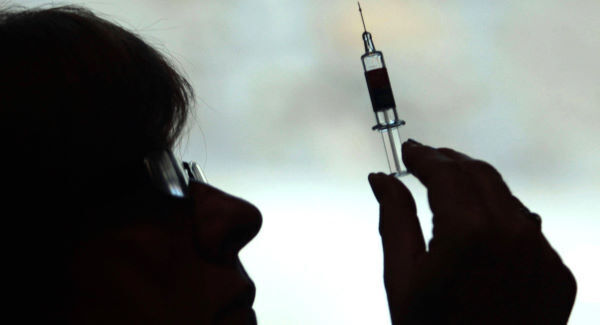
The uptake of the flu vaccine among healthcare staff is “still not nearly high enough”, according to Health Minister Simon Harris.
“We have seen improvement in vaccination rates among our healthcare staff in recent years but this still remains low,” he said.
Last year, 53% of hospital staff and 42% of long term care facility staff got the jab, up from 34% and 27% respectively in 2016.
Mr Harris said healthcare workers were about ten times more likely to get the flu.
“The vaccine is a lifesaver because flu can be a very serious and sometimes deadly disease,” he said.
“I would encourage all healthcare staff to avail of the flu vaccine and show leadership in this regard.
"By receiving the flu vaccine, you protect the vulnerable people in your care as well as yourself.”
Asked if healthcare staff should be compelled to get vaccinated against the flu, the minister said he had “an open mind” on that.
He had asked the Health Research Board to look at what other countries were doing in the area and report back to him in March next year.
“I have only got an interest in doing something that is effective,” said Mr Harris when he launched the HSE's seasonal flu vaccination campaign in Dublin.
The HSE's flu vaccine lead, Dr John Cuddihy, warned that flu could be a very serious and sometimes deadly disease, with potentially 1,000 flu-related deaths in Ireland during a severe flu season.
“Recent national uptake figures indicate that 68.5% of people aged 65 and over who had a medical card or GP visit card received the flu vaccine during the 2018-2019 flu season, a substantial increase on last year when the uptake rate was 57.6%," he said.
This year's seasonal flu vaccine gives broader protection against flu than the vaccine used in previous years because it protects against four of the common flu virus strains expected to be circulating this year based on advice from the World Health Organisation.
The flu vaccine used in previous seasons protected against three strains of the flu virus.
While Ireland was the first country in the EU to receive the flu vaccine some pharmacies and health providers experienced a delay in supply.

A spokesperson for the Irish Pharmacy Union said that while flu vaccines were available to order, restrictions were in place for the initial delivery due to reduced quantity in the first shipment to Ireland.
“This delay in supply is not due to Brexit but due to the WHO not confirming the strains of virus for the flu vaccine until the end of March instead of February, thus delaying all flu vaccine production by all manufacturers by a month,” she explained.
“The full Irish consignment is expected to be in Ireland and available by early October and it is expected that all locations/sites will have their full requirement of the flu vaccine by early or mid-October.”
Meanwhile, the State will introduce a PrEp programme to reduce HIV rates next month.
The programme will initially be provided in a number of STI clinics from November 4.
Funding of €5.4m for a full roll-out next year was provided in Budget 2020.
Taoiseach, Leo Varadkar, said they were also prioritising increasing awareness and HIV testing as part of their response to reducing HIV rates by reaching the people they needed to reach.