#Budget2020: Increase in carbon tax headlines taxation measures
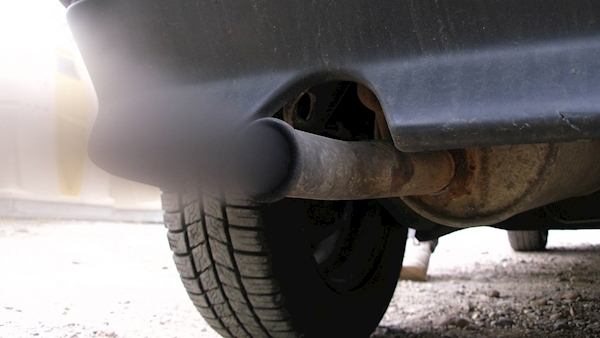
Finance Minister Paschal Donohoe has, as expected, increased the level of carbon tax per tonne by €6 to €26 per tonne in Budget 2020.
While eschewing across the board tax cuts as he has done in previous years, Mr Donohoe has raised a very limited number of taxes to cover increased spending in other areas.

The carbon tax increases is expected to raise €90 million in 2019 and €130 in a full year but that money is to be ringfenced for environmental measures.
Defending the move, he told the Dail: “I know this will not be easy for everyone. Therefore, instead of a larger increase in any one year, I am committing to a €6 increase as a first step towards the 2030 target.”
It is my intention and my ambition to increase this steadily to meet the 2030 target.
He has also replaced the diesel surcharge with a Vehicle Registration Tax surcharge which is intended to raise €25 million. As flagged, he has slapped an extra 50 cent on the price of a pack of 20 cigarettes, a move which will raise €57 million.
One of his bigger moves relates to his increase in commercial stamp duty from 6% to 7.5%, which will raise €141 million. That increase will come in to effect from Midnight tonight.
He also intends raising €80 million by increasing the rate of Dividend Withholding Tax from 20% to 25% from January 1st.
He also announced an increase in the Home Carer Tax Credit from €1,500 to €1,600 and an increase in the Earned Income Credit from €1,350 to €1,500. Both measures will cost €55 million in a full year. Mr Donohoe outlined €30 million in tax reliefs for small and medium businesses and farmers.
Having been requested by the Independent Alliance, Mr Donohoe granted a marginal increase to the threshold at which Capital Acquisitions Tax, otherwise known as Inheritance Tax, from €320,000 to €335,000 at a full year cost of €11.2 million.
He also has announced that the Help-to-Buy scheme will now be continued until December 2021 with an additional €40 million being allocated for it.
Because of new compliance regulations from the OECD in relation to corporation tax, the Government expects to raise a further €80 million with a further €10 million coming from the introduction of anti-hybrid or anti tax-avoidance rules.