Penalty to be imposed on media group over article which led to collapse of rape trial to be decided tomorrow
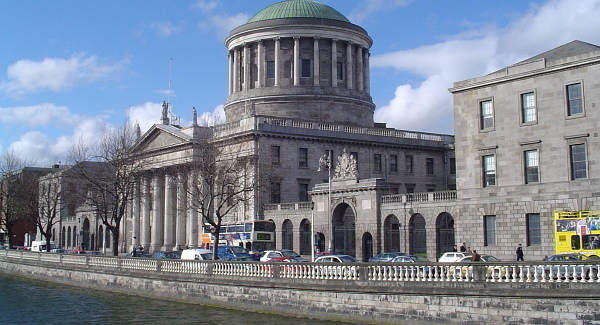
The High Court will give its decision tomorrow on what penalty to impose on Independent Newspapers over the publication of an article which led to the collapse of a rape trial last year.
The newspaper admitted contempt over an analysis article run alongside three others last November in the context of a public discourse on the conduct of rape trials.
The publisher apologised and has paid or agreed to pay wasted legal costs bills of at least €100,000. A new criminal trial is due to take place in November, the court heard.
Ms Justice Miriam O'Regan said the decision she had to make related only to the level of fine she would impose in accordance with a Court of Appeal judgment last year in relation to contempt.
James B Dwyer SC, for the DPP who brought the contempt application, said the case was against the Independent Newspapers Ireland Ltd and those against Fionnán Sheehan editor-in-chief of Independent News and Media, and against journalist Nicola Anderson were being withdrawn.
The notice party in the case was the accused whose trial was aborted.
The circumstances in which the trial collapsed was that the article was published in the Saturday edition of the Independent and online the day after the jury in the rape case began deliberating.
The court heard the paper was not aware at the time of publication that the jury was out.
In an affidavit explaining the systems in place for publishing articles such as this, Mr Sheahan said the conduct of rape trials had been the subject of substantial public discourse.
Mr Sheahan asked a number of journalists to investigate and write on the subject including an analysis piece by Ms Anderson, an experienced journalist who has covered many trials including the so-called "Belfast rugby rape trial" in which the accused men were acquitted.
Ms Anderson's article was legally reviewed on the Friday evening before publication and cleared for publication, Mr Sheahan said.
The following morning, the paper received a letter from the accused's solicitors saying the article amounted to contempt. It was pulled from the online edition just over an hour later.
While Mr Sheahan was very alert to the issue of not identifying the accused in a rape trial, he said the potential impact on the trial itself "never crossed my mind" and was not raised by the pre-publication solicitor.
Clearly, he said, there was a failure to advert to the fact that a very small but important group of people - the jury in the rape trial - could identify the accused.
This was "a blind spot for all of us" and not one of those stories where a legal issue was flagged and an editorial judgment call required. It was a "case of inadvertence", he said.
Mr Sheahan said he felt greatly distressed and upset about this error and that it led to the collapse of the trial "thereby causing further anguish to both the complainant and the accused as well as considerable cost to the taxpayer".
He was conscious this had been the third trial in the case and he offered his since apologies to the complainant, the accused and the court.
"I regard myself as a careful, alert and diligent editor and journalist.
"With the benefit of hindsight, I can see that reporting on an ongoing rape trial in the context of a comment piece was a serious misstep and should not have been done".
Cian Ferriter SC, with Shane English BL, for the Independent, said his clients were all in court to show just how seriously they had taken the matter and in order to deliver a full, profuse and unreserved apology for an article that should not have been published.
Counsel said the Court of Appeal had laid down certain guideline figures for such cases. At the most serious end of the scale for contempt, the headline figure was €100,000.
While accepting it was a serious contempt, it was not at the most egregious end.
There were a number of factors in mitigation, key among them was that the solicitor who cleared it for publication "may have got it wrong but that should not be visited on our door".
His clients were entitled to rely on the advice of their solicitor.
There was also the fact that the paper has a good system in place for considering issues pre-publication but it was accepted there was a failing in this case in relation to knowledge of the jury having gone out.
There was a clear absence of intention to interfere with the administration of justice and the publication was in good faith relating to a topic of public interest, he said.
There was also an early plea of guilty to the contempt, the pulling of the article from online within 70 minutes, the full and unreserved apologies and the payment of wasted costs for the criminal trial and of the DPP's contempt application.
All those factors merited a significant reduction in the headline sentence, he said.
CONNECT WITH US TODAY



Be the first to know the latest news and updates