People warned to keep dogs out of Killarney lake due to harmful algal scum
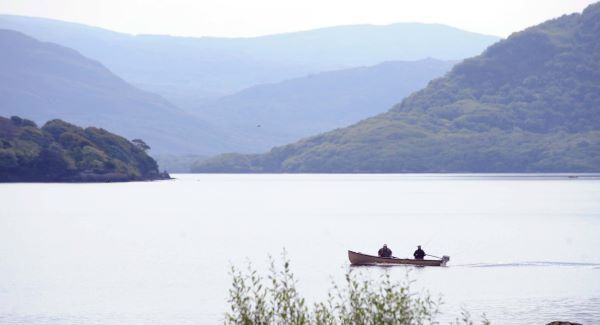
Signs warning of algal scum and a danger to dogs are once again being erected along the shores of Lough Leane, Killarney’s biggest lake and the jewel in the crown of its tourist industry in the Killarney National Park.
It follows reports of at least one dog having died after having been in the Deenagh River which flows into the lake.
Killarney vet Danny O’Sullivan who last week treated the dog at the All-Care Veterinary Clinic warned the dog displayed symptoms consistent with blue-green algae poisoning.
The pet had been perfectly healthy prior to entering the river Mr O’Sullivan said.
While the link to the death of the dog has not been confirmed, the council on Tuesday began erecting signage.
“Following the taking of samples by council staff in recent days, laboratory tests confirmed the presence of a blue-green algae which may have the potential to form an algal scum,” the council said.
The signage along the shore of Lough Leane to advise members of the public of the potential for an algal scum which can be harmful to small animals.
The warnings were “precautionary” and those who frequent the shoreline are being advised to exercise caution.

Dogs should be kept on leads and should not be allowed to enter the water, the statement said.
Daily inspections of the shoreline will take place and further samples will be taken as required.
"The situation is being monitored closely on an ongoing basis by Kerry County Council," according to a spokesman.
Blue-green ‘algae’ is not actually an algae but is made from Cyanobacteria which feed on nutrients in water.
A major outbreak of the toxic bloom in 2016 on the lakeshore led to the death of a number of dogs.
Outbreaks of blue-green ‘algae’ occur now on an annual basis in Killarney, regardless of weather conditions, although muggy humid conditions seem to accelerate the occurrence.
An in-depth study twenty years ago, involving ten thousand water samples, identified eutrophication or enrichment by phosphates as responsible for the algal growth.
Septic tanks and farming, as well as forestry, were identified as the prime culprits and a major programme saw a reduction in phosphates from these sources, as well as upgrading of septic tanks and slurry pits mainly.
However, the blooms continue to arrive each summer.