Lives of public ‘at risk’ over lack of Garda resources
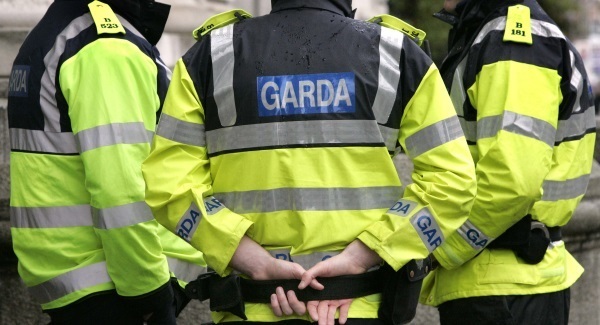
The lives of public and uniformed gardaí are being put at risk from the firepower of criminal gangs and the New IRA, because Garda armed units are regionally based and can be scores of kilometres from an evolving serious incident.
The Garda Representative Association (GRA), which represents the force’s near 11,000 frontline gardaí, want highly trained armed response units stationed in all 28 Garda divisions in the country. At present there are just six based in regions.
An escalation in the viciousness of drug-related feuds, the ongoing thefts of ATMs, plus the emergence of the New IRA has led the GRA to call for the creation of more geographically widespread armed response units.
GRA president, Detective Garda Jim Mulligan, said more units are needed as part of a series of modernisations needed to make them a police force the population can be truly proud of.
He said such was the formation of the regional armed response units, they could find themselves at one incident in Buncrana, Co Donegal, and after dealing with that be tasked with attending another one in Louth. Det Garda Mulligan said in Galway alone there is a distance of more than 100km from one part of the county to another.
He said that the GRA is “acutely aware” of the need for a better equipped, better trained, more professionalised police force.
“Events in Drogheda and elsewhere in Louth, Meath and border counties have brought this need into stark focus in recent days and weeks. We have been making our case for better training, equipment and facilities for a number of years.
“Regrettably, we’ve not got the response we were looking for,” said Det Garda Mulligan.
However, too much is at stake to start playing a blame game. The safety of the public is the number one priority. The people of Drogheda, in particular, need a united front from everyone involved in policing.
Det Garda Mulligan said all frontline officers need to be given tactical awareness training as unarmed uniformed officers could be the first at a serious incident, including a terrorist attack, and needed to ensure the public’s safety as events unfolded. He said such tactical training was standard in a number of developed countries.
GRA general secretary Pat Ennis said his members were also calling for the end of compulsory retirement for gardaí at the age of 60.
The GRA leaders made their comments last night, ahead of the opening today of their annual two-conference, which takes place in the Brehon Hotel, Killarney, Co Kerry.
The conference, which is being attended by more than 160 delegates, will be addressed today by Justice Minister Charlie Flanagan and Garda commissioner Drew Harris.
Delegates will also seek a number of other reforms including improved garda pensions and equipment.