Game on: ‘Pac-Man’ measures up in study of success
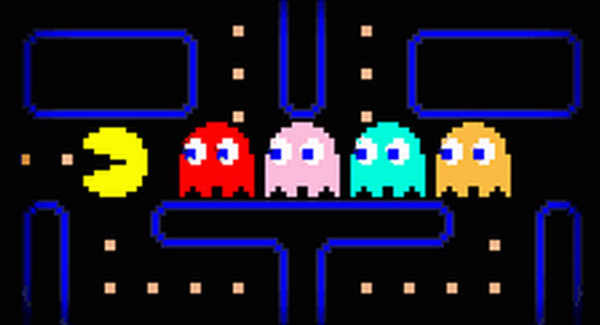
You might have thought the classic arcade game Pac-Man was a pixelated gobble-‘em-up and little more, but a study by an academic at the University of Limerick claims it can provide insights into human behaviour and psychology.
Jason Power, a lecturer at UL’s School of Education, used the iconic ‘80s game to look at the impact of a person’s belief about their own capabilities and performance in daily life.
The study took place between 2013 and 2014 and involved 240 first-year students in a secondary school who played Pac-Man on a personal USB version of the game which recorded date, time and scores.
Each participant first played a standard-difficulty level version of the game in order to gauge initial ability level, before replaying the game at the same level at the end of the week to measure improvement.
However, what participants didn’t know was the game had been manipulated in terms of difficulty level; students had been given either easy, medium, or hard versions of the game to practice on between the first and final game.
The unique study showed that those with the highest difficulty level practised the least amount of times, while those with the easy version of the task practised more.
“Pac-Man’s difficulty slowly ramps up to allow even the most casual players to experience success,” said Mr Power.
This builds a person’s belief that they can succeed and encourages them to try again.
Psychologists refer to this as “self- efficacy”, hinging on the belief in your ability to achieve a successful outcome in a given scenario.
Mr Power said: “I got a whole heap of kids to play Pac-Man — that’s the long and short of it.”