Secondary school enrolment stats reveal continued growth with peak expected in 2024
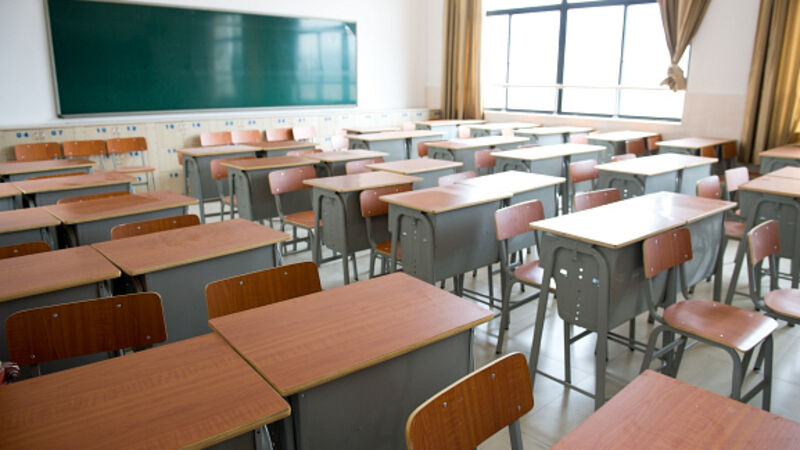
The surge toward a record peak in second-level student numbers is evident in latest official statistics on enrolments across the country's 4,000 schools.
Although numbers attending all sectors have increased this year, Department of Education statistics reveal they grew in the country’s 730 second-level schools at almost twice the rate for primary schools.
Overall enrolments across both levels at the start of the current school year in September were up 1% - just under 9,800 - to 922,458 on the previous school year.
This includes a 0.8% rise (4,318) in the number of children in mainstream primary schools, up from 555,251 to 559,569. Last year, primary enrolments had risen by just over 5,000, or 1% on the previous school year.
The increase in student numbers at second level last year was 5,150, or 1.5%, a year ago.
But the latest provisional data, outlined today by the Department, shows there has been a further increase of 5,481 second-level students for this school year. This further 1.5% rise to 362,889 people registered at second level indicates the additional pressures that are facing the sector in the coming years as the effects of the baby boom in the first decade of the century begin to ease in the primary sector.
Education Minister Joe McHugh was advised in October that primary enrolments are expected to reach a peak of nearly 568,000 this year, when over 8,000 pupils at special schools in the primary sector are included.
But his officials told him that second-level enrolments are expected to continue rising until 2024, when they are projected to climb above 402,000 and reach a record high. That suggests a further increase of 40,000 across the next six school years, averaging over 6,000 additional students annually over that time period.
Despite the likely drop in total number of primary pupils after this year, however, new schools or extensions to existing ones will still be needed in areas where there is a growing young population.
The growth at second-level until at least the middle of the next decade could also necessitate the employment of 200 to 300 extra teachers for second-level schools annually if the Government retains pupil-teacher ratios at current levels.
The changing picture of new school provision is reflected in the continuing drop in the proportion of pupils attending Catholic primary schools. The 505,053 children attending those schools in September represented 90.3% of all enrolments, down slightly from 90.6% a year earlier.
Although these Catholic enrolment figures were up 0.4% year-on-year, children at multi-denominational primary schools are up nearly 8% to just over 32,000.
They now make up 5.7% of the primary population, up from 5.4% in a year. Church of Ireland schools enrolled 16,514 or 3% of all primary pupils this year, and pupils at schools of other faiths were 5,942, just over 1% of the entire primary population.
All but one of 12 new primary schools due to begin classes for the first time next year is certain to be a multi-denominational, with parents choosing from between four and six interested patrons in an online survey between now and January 15. In one instance, the Church of Ireland bishop of Meath and Kildare is competing with four other prospective patrons to open the new primary school in Maynooth, Co Kildare.
CONNECT WITH US TODAY



Be the first to know the latest news and updates