GPs: ‘Aggressive and unfair’ process used to reduce outpatient lists
An “aggressive and unfair” validation of outpatient lists has been used to achieve a reduction in figures, a GP group claims.
Outpatient waiting lists have reduced by more than 1,000 to 515,360, according to the National Treatment Purchase Fund (NTPF) which published the waiting list numbers up to the end of November.
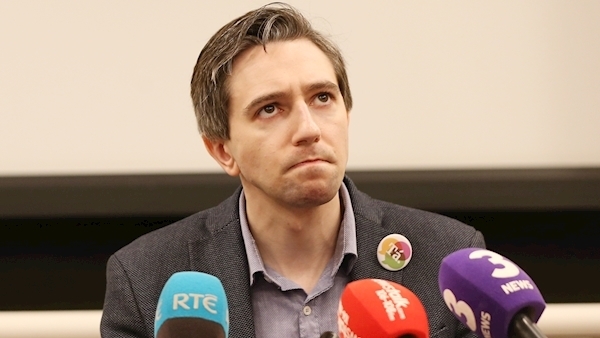
Health Minister Simon Harris said the outpatient waiting list remains “a significant challenge” but that it is welcome to see a small reduction in the numbers waiting this month.
However, the National Association of General Practitioners (NAGP) believes the reduction was achieved by a dramatic increase in validation letters sent to GPs throughout the country. The NAGP says it has no issue with the validation lists but believes the process adopted by the HSE is having a negative impact on vulnerable people.
The GP group has called for the current validation system to be reformed and, at a minimum, to have the 10-day window for patients to respond to letters extended to 28 days. The NAGP also believes that, if no written response is received, the patient should be contacted by telephone to ensure the patient has not changed address or become homeless.
The doctors believe the changes they are seeking will ensure that the process is patient-centred, fair, and equitable.
“The process in its current guise disproportionately affects the frail, the vulnerable, people who have trouble reading, the homeless, the elderly, and minority communities,” said the NAGP.
The NAGP has repeatedly called on Mr Harris to reform the current process.
“There is no logical reason for this form of validation and indeed it creates more barriers and bureaucracy in terms of access to care for the most vulnerable in society,” it said.
NTPF figures show that the number of patients waiting for an inpatient or day case procedure has fallen to 70,989 from a peak of 86,100 in July last year, an 18% reduction.
At the end of last month, 20,512 patients waiting for surgery accepted an offer of NTPF-funded treatment.
One of the key targets for the NTPF this year was to arrange an inpatient or day case treatment for 20,000 public patients. It will continue to arrange treatments until the end of the year.
Meanwhile, it has emerged that three injury units in Cork treated more than 26,536 patients this year. Patients can go directly to the unit or be referred by a GP. Bantry Injury Unit, Mallow Injury Unit, and the Mercy Injury Unit are among 11 set up by the HSE since 2012.
A survey found that 91% of patients rated services provided in the injury units as excellent or very good.
Emergency medicine consultant and clinical lead of the National Emergency Medicine Programme, Gerry McCarthy, said in many cases turnaround times for seeing and treating patients are one to two hours and sometimes less.