Teacher granted breast-feeding breaks extension
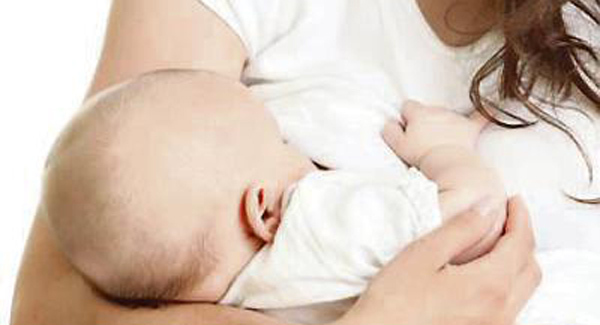
Schools must allow teachers paid breastfeeding breaks for up to two years after the birth of a child, under an 18-month extension agreed by the Department of Education.
The rules previously only allowed for breastfeeding breaks of up to an hour a day for up to six months after a child is born, but teacher unions had raised concerns about this over several years.
All working mothers have a legal entitlement to breastfeeding breaks without loss of pay for up to six months after childbirth.
However, a two-year timeframe already exists in the civil service following previous representations by unions representing civil servants.
The changes for teachers have now been adopted in a letter sent by the department to the management of all 4,000 primary and second-level schools on Friday.
They also explicitly allow for breaks to cover lactation, which was not specified previously in the maternity leave clauses of teachers’ terms and conditions.
It means the two-year rule applies to teaching mothers expressing milk during work time.
As with the previous six-month time allocation, a single one-hour break can be taken, or two or three breaks of 30 or 20 minutes each, respectively, may also be catered for. The pattern of breaks should be discussed and agreed with school management, but the new conditions mean employers are expected to take reasonable measures to facilitate the requested pattern, while also having due regard to pupils’ welfare and educational needs.
The Department of Education does not provide any resources in the form of paid substitution cover for breastfeeding breaks.
It has told second-level schools that the breaks should be covered through the supervision and substitution scheme, which rosters teachers signed up to the scheme to availability for such duties during approved absences of colleagues.
A teacher who avails of breastfeeding breaks must also notify the school management as soon as possible when she stops breastfeeding.
The new allowance for breastfeeding breaks by teachers has been welcomed by their unions. In 2016, women made up 86% of the country’s primary teachers, who are represented by the Irish National Teachers’ Organisation (INTO).
“This provision is timely for the many INTO members who wish to continue breastfeeding their children following their return to work,” the union said.
At second-level, 70% of teachers are women, and they account for nearly two-thirds of those aged under 30 working in second-level schools.
Demands for longer access to breastfeeding breaks were on the agenda of the INTO annual congress in 2012, and a motion was passed last year by the Teachers’ Union of Ireland annual conference.
It heard that the World Health Organisation recommends exclusive breastfeeding up to six months of age, with continued breastfeeding along with appropriate complementary foods up to two years of age or beyond.
Education Minister Richard Bruton directed that all schools put the rules into immediate practice following their agreement between his department, teacher unions, and school management bodies at the Teachers’ Conciliation Council.
The HSE says the law does not currently afford many working mothers and their babies adequate protection and support to continue to breastfeed.
Its Breastfeeding Action Plan 2016-2021 advocates for the extension of breast-feeding and lactation break entitlements at work until a child is one year of age.
CONNECT WITH US TODAY



Be the first to know the latest news and updates