Irish Cancer Society: Scrap crippling inpatient charges
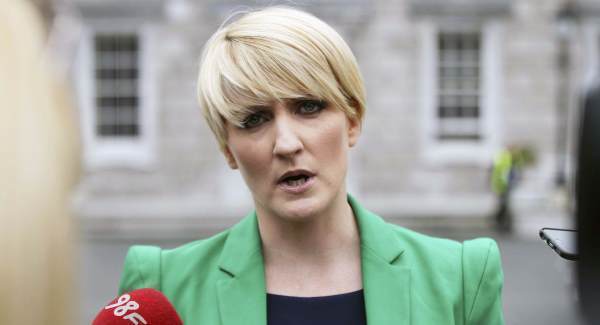
Cancer patients are facing the additional stress and financial worry of up to €800 in inpatient charges per year, according to the Irish Cancer Society.
With some patients ending up in receipt of correspondence from debt-collection agencies, Irish Cancer Society chief executive Averil Power has said the Government should axe the charges in the upcoming budget.
The organisation has launched a petition calling for the charges to be abolished.
Under the current system, patients pay €80 for an inpatient visit, including “day cases” for cancer treatments such as chemotherapy, which typically takes a few hours.
The charges are capped at 10 visits, or €800 per calendar year, for people without a medical card or private health insurance, but where treatment runs into a second calendar year, a patient may end up paying an additional €800, depending on the number of treatment sessions required.
The charge increased by €5 to €80 in January 2017. Ms Power said they can become onerous on a family already dealing with cancer.
Inpatient charges of up to €800 a year can be crippling for families struggling to make ends meet while also trying to cope with the physical and emotional impact of cancer,” she said.
“If patient charges aren’t paid within seven weeks, they can be referred to a debt-collection agency by the hospital. This practice causes needless stress and fear for patients and must be stopped. It is the last thing any patient needs while having treatment for cancer.
In some cases of ‘excessive hardship’, hospitals may either waive the charge or agree instalment plans with patients. However, these arrangements are at the discretion of the hospital, and it is unclear what constitutes hardship. This also places an unfair administrative burden on patients on top of an already unfair charge.
Marie Moran, a breast cancer survivor from Mayo, was diagnosed when 32 weeks pregnant. She recalled: “The first I knew of inpatient charges was when the bills arrived.
“I was in the process of applying for a medical card so, in the hope that it would come through, I didn’t pay the charges. When the bills turned into final notices, it caused me so much stress and worry at an already difficult time. Eventually the hospital agreed to waive the charges. However, I still received a couple of chase-up letters demanding payment which was really upsetting and stressful.
“I was already fighting cancer with a new baby, I didn’t need the additional fear of debt collectors knocking at my door.”
The estimated cost of abolishing the charge is between €21m and €27.5m.

CONNECT WITH US TODAY



Be the first to know the latest news and updates