Falls a part of middle age, study shows
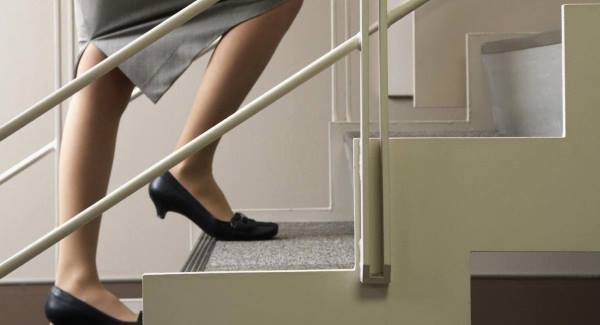
Falls, traditionally associated with old age, are very much a feature of middle-age, particularly among women, new research has found.
An examination of the prevalence of falls in middle-aged adults (40-64) across four countries, including Australia, the UK and the Netherlands as well as Ireland, found for women, the prevalence of falls increases from the age of 40 on â 9% in 40-44-year-olds, 21% in 50-54-year-olds, and up to 30% in ages 60 to 64-year-olds.
Although exact causes of falls are not identified in the study, its authors say the timing of the increases in falls coincides with the onset of the menopause, decline in balance performance, and an increase in the presence of vertigo and fainting.
A previous study by the same researchers found different factors were associated with falls at early, middle and later midlife. For example, high levels of alcohol intake and hearing problems were significant predictors of falls at ages 59â67.
Researchers at Trinity College Dublin (TCD) drew on data from TILDA (the Irish Longitudinal Study on Ageing) and from similar studies in Australia, the UK and Netherlands, incorporating the data of more than 19,000 adults.
The authors said the findings indicate âthat middle-age may be a critical life stage for interventions designed to prevent fallsâ.
Professor Rose Anne Kenny, senior author on the paper and director of TILDA and of the Falls Unit at St James Hospital, said their work âemphasises the importance of early prevention strategiesâ.
âWhile falls can cause serious injury and result in disability, they also create fear of further falls. This is a well-known phenomenon and from TILDA research we know it is present in one in four people over 50.
âPeople who have a fear of falling or have had a fall are most at risk of falls and should be targeted for strength and balance programmes and medication reviews â both strategies significantly reduce falls.â