Ireland’s social contract is broken and an alternative is now required: Social Justice Ireland
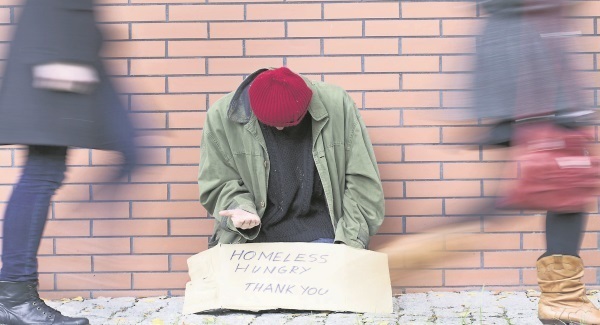
Ireland’s social contract is broken and the legitimate expectations of citizens are not being met, according to the Social Justice Ireland group.
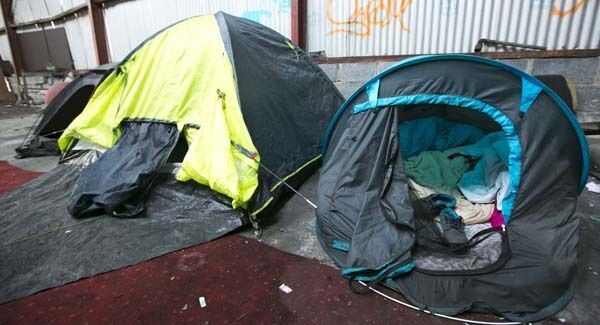
Speaking on the launch of the think-tank’s annual Socio-Economic Review for 2017 entitled ‘A New Social Contract for a New Century the group’s director, Dr Sean Healy said this was most obvious in areas such as housing and homelessness, a two-tier healthcare system, an ongoing failure to provide rural broadband and high levels of poverty and social exclusion, especially among children”.
“2017 is the first year of a new century for Ireland and now is the perfect opportunity to develop a new and radical social contract for Ireland’s second century," he said.
Social Justice Ireland’s annual Review argues that all democracies are founded on a social contract and progressive social contract is one where Government works in the interest of all, where social cohesion and the common good are the primary measures of progress, and the economy is nurtured for the benefit of society.
The review outlines a series of policies and recommendations which would deliver a progressive social contract and focus on delivering five key outcomes:
1. A vibrant economy which works for the benefit of society;
2. Decent services and infrastructure which are accessible to all;
3. A fair taxation system to support our social and economic infrastructure;
4. Good governance which facilitates everyone having a say in decisions that affect them;
5. Sustainability - meaning that development is balanced across the regions and progress is measured in terms of social cohesion and the common good.
Michelle Murphy, Research and Policy Analyst, Social Justice Ireland went on to suggest a social contract is how the standard of living everyone expects and agrees on is implemented and delivered and how the balance of rights and responsibilities among citizens, communities, institutions and government is maintained.
"Put simply, the key questions are: what standard of living do people want and expect, and what infrastructure, services and resources are required to deliver this?”, suggested Michelle Murphy, Research and Policy Analyst, Social Justice Ireland.
“To come to a consensus on the standard of living that people want and agree on, and, how this is to be delivered requires dialogue, with input from all sectors of society. Choices must be made and agreement reached on how the social contract is to be delivered.”
Social Justice Ireland’s Review argues that as part of the social contract in a modern democratic society, citizens may expect:
1. Access to meaningful work,
2. Protection from poverty at times where paid employment is not accessible;
3. A minimum floor in times of old age, disability or infirmity;
4. An education system that is relevant, accessible and high in quality;
5. A guarantee that their needs will be met at times of ill-health;
6. The regulation and protection of the environment for the good of all citizens and ensured participation in civic life and in shaping the decisions that affect them.
Ms Murphy went on to suggest a social contract sets out the expectations, the rights, and the responsibilities of all parts of society – individuals, institutions and government.
"It means that everyone contributes to the common good – economically, socially or culturally – on the assumption that the State will provide a minimum standard of living, essential social services and infrastructure and the protection of basic rights.”
The Review goes on to claim that the strength of a democracy is defined by the strength of its social contract and the quality of life and wellbeing of its citizens.
It states that people expect a well-run economy, good governance, a state that acts in the interests of its people, a say on the issues that affect them, society to provide them with decent services and infrastructure and an expectation that decisions being made are aimed at securing fairness across generations and a sustainable future.
“A key part of the social contract is solidarity between generations. At different points in the lifecycle, all of us will be either net beneficiaries from, or net contributors to, society,” Ms Murphy continued.
“This differs, depending on whether we are children, adults of working age, or pensioners. It depends on whether we are in full-time education, engaged in caring work, in paid employment, or volunteering in the community. But at all times, we are contributing to and benefiting from the social contract in different ways.
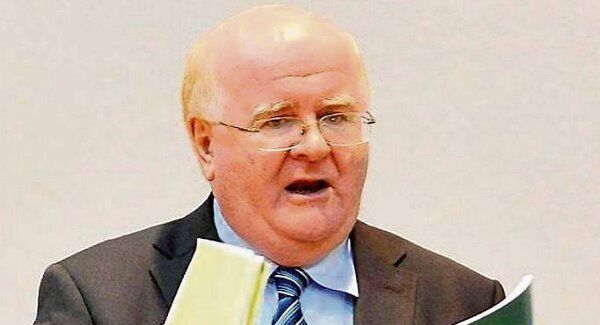
In his assessment of the report Dr Sean helay said Ireland has an opportunity now to develop and agree a new social contract and how it should be delivered.
"Social Justice Ireland believes that at the heart of this new social contract is a belief that benefits derived from things like technological development, economic growth, and societal advancement are shared.
"A real republic will stand for social justice and for equality. Social Justice Ireland calls on leadership from all sectors of Irish society to become part of a debate on a new social contract for a new century.”
An executive summary of ‘A New Social Contract for a New Century’ is available here."
CONNECT WITH US TODAY



Be the first to know the latest news and updates