Lawyers urge court to refuse client's extradition to US
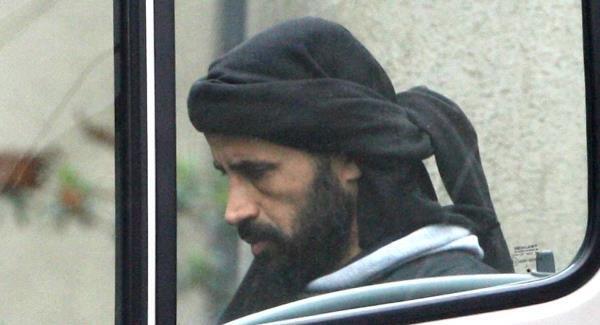
Lawyers for a man wanted in the US on terrorism charges have told the High Court that a penalty may be imposed for uncharged conduct, if he is surrendered and found guilty in the US.
Ali Charaf Damache (aged 49), an Algerian-born Irish citizen, previously with an address in Waterford, is wanted by the US authorities in connection with an alleged conspiracy to provide support to terrorists.
Mícheál P O'Higgins SC, for Mr Damache, told the court today that the sentencing Judge in the US will be at large to enhance the sentence and Mr Damache may suffer penalty for an offence which he was not extradited for.
Counsel submitted that this "breached" the Rule of Specialty in Section 20 of the 1965 Extradition Act.
Part of Section 20 states that the person being extradited should only be prosecuted for the offences he/she was extradited for.
Mr O'Higgins said there is no longer uncertainty regarding the imposition of a penalty for uncharged conduct, as he said it is expressly accepted in Ms Jennifer Williams' affidavit, the assistant US Attorney.
Reading from an affidavit by US lawyer Joshua Dratel, Mr O'Higgins said: "There is a very real possibility Mr Damache will receive a sentence in excess of 40 years."
Mr O'Higgins told the court that Mr Dratel's estimate was "conservative" as "prosecution [in the US] will contend Mr Damache occupied a leadership role in the conspiracy".
Mr O'Higgins submitted that the capacity of the sentencing Judge compelled the court to find there is a "real risk the Rule of Specialty will be breached".
A risk the court heard, arose from US Statute. Mr O'Higgins submitted that Mr Damache's extradition "ought to be refused", given the breach.
The court heard from Ms Williams' affidavit that the guideline sentencing that would be imposed on Mr Damache is "speculative" and that no prediction could be made regarding his sentencing.
Ms Williams submitted that Mr Damache's co-accused got lower sentences and to have regard to what they got.
Mr O'Higgins told the court there is a dividing line between charged and uncharged conduct, but in terrorism cases, it is not just crossed, it is "obliterated".
The US alleges Mr Damache conspired with American woman Colleen LaRose, who used the online name Jihad Jane, and others to create a terror cell in Europe.
LaRose was sentenced last January to 10 years in prison after being convicted of planning to murder Swedish cartoonist Lars Vilks, who had depicted the head of the Muslim prophet Mohammad on a dog.
It is the second time his extradition case has been heard. In November Mr Damache won an appeal at the Supreme Court for a judicial review of the DPP’s decision not to prosecute him in Ireland.
Mr Damache, who has been living in Ireland for more than 10 years, is wanted on charges alleging conspiracy to provide material support to terrorists and attempted identity theft to facilitate an act of international terrorism.
The extradition hearing will continue tomorrow.