Untouchables escape economy drive
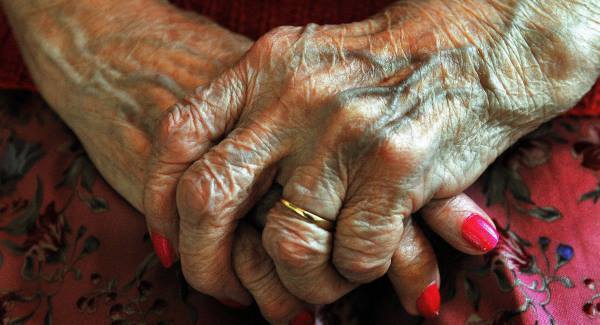
From the elderly, sick and disabled, to children, students and the unemployed - few have escaped the clutches of austerity since the meltdown of the Irish economy.
But some areas are still billed as untouchable in the wake of seven crippling budgets over five years, which saw the Government forced to shore up nearly €30bn.
While huge numbers struggle to pay mortgages, rent, food bills and for healthcare and education, a few budget blind spots are repeatedly held up by opponents of austerity.
The relatively low corporation tax rate of 12.5% was again defended. Ministers insist it cannot be touched for risk of putting off foreign direct investment, especially from the US, and the likes of Facebook, Google and Microsoft.
This is despite Ireland being at the centre of the international spotlight this year following accusations from the US and the UK that it is a “tax haven” for multinationals.
Critics have argued excessive tax breaks entice the large organisations and allow them to pay well below the standard 12.5% rate. Some in the US Congress claimed they contribute a rate as low as 2%.
That combined with revenues being routed through the Netherlands leads to what some tax avoidance experts call the Double Irish Dutch Sandwich.
Think-tank Social Justice Ireland suggested the Government introduce a minimum rate of 6% that all companies should pay on their profits.
Director Sean Healy said while home-grown small and medium businesses have to pay between 11 and 12.5% – given they cannot benefit from many of the tax breaks that exist – large organisations contribute much less.
“The Government has been running away from this saying your Googles, Apples and Intels would leave Ireland as a result,” Mr Healy said.
“But we think those big multinationals are not just in Ireland for its low tax rate. They are here for other reasons – such as our good infrastructure, our skilled workforce. Tax is not the definitive component.”
The Universal Social Charge (USC) of 7% applied to all workers earning more than €16,000 has been left untouched.
This means someone earning €20,000 is subject to the same rate as someone on more than €100,000.
Experts have claimed that increasing the rate for high earners by 3% would bring it in line with the 10% paid by the self-employed and significantly boost revenue.
It has been estimated it could bring in about €71m a year and a similar idea has been promoted by Sinn Fein.
There is an estimated €600m a year cost on State coffers for diesel dye.
Designed to give farmers and industrial users cheaper duty rates, it not only hit the Exchequers at one end but again when criminal gangs, mainly former or dissident republicans along the border, launder millions of litres of fuel.
Some 1.25 billion litres of fuel is dyed green to separate diesel used for agricultural or industrial purposes from everyday use diesel.
An estimated €150m a year is also to laundering where gangs get the cheap dyed diesel, wash it through a filtration system and sell it on as more expensive white diesel for everyday use.
But this process has remained untouched in the budget, despite suggestions - even in a report from an Oireachtas committee – that the Government could save a total €750m annually by scrapping it.
Currently, a 1% tax is applied to all bets placed in a betting shop – a rate that has been slashed over the years, from as high as 10% in 2000.
A rate of between 2-5% has been suggested by politicians and other campaigners and the Government has committed to applying the rate to the online sector.
Fianna Fail said it would increase the levy in its pre-budget submission.
Despite this the fears remain that web based betting firms would quickly up sticks out of Ireland and run their operations from the likes of Hong Kong if a tax is introduced.
However, the likes of Irish born and built Paddy Power quitting its home are low, campaigner say.