Older people 'will face care crisis unless Government acts'
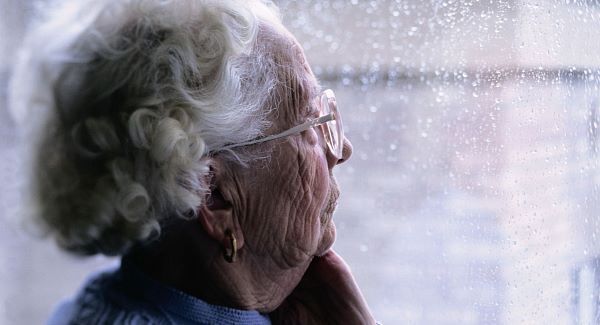
Older people are facing a scarcity of qualified nurses to care for them unless the Government changes its policy on undergraduate education, a leading nursing organisation has warned.
The All-Ireland Gerontological Nurses Association (AIGNA) is calling for the urgent introduction of specialised nursing degree courses in care for older people – as an estimated 700 jobs remain unfilled in the sector.
“Today (Monday) is the International Day of Older People, and Ireland is facing into a significant shortfall in capacity to meet the long-term care requirements of its older people,” said Aigna President Prof Brendan McCormack.
“The ESRI is predicting that an extra 9,555 nursing home places will be required by 2021, yet nursing homes are struggling to attract graduates to fill a significant amount of existing vacancies.
“We estimate that there are approximately 700 unfilled vacancies in the sector at the moment, with more to come on stream over the next year.
“Although the public route is closed due to the public service recruitment embargo, it is very difficult in general to recruit to private nursing homes.
“We are finding that newly-qualified nurses, in general, either want to work in acute settings or to travel.
“This is compounded by the fact that nursing homes or specialised long-term care units are rarely utilised as clinical placements for training undergraduates.
“There are significant opportunities for career progression in older people’s care, in what is a proven growing market, and these opportunities and increasing demand need to be addressed by our nursing education system.”
AIGNA represents a substantial number of gerontological nurses in the sector, and is the only organisation of its kind in Ireland or Britain.
“The care needs of older people are becoming increasingly complex, and a skilled workforce is required more than ever,” said Prof McCormack, Director of the Nursing and Health Research Institute at the University of Ulster.
“Most older people in residential settings live with multiple pathologies and the range of medical diagnoses for people currently in residential care is extensive.
“The population statistics are compelling. We need to recognise that we are growing older, living for longer, and therefore need more qualified nursing carers.
“The Ministers for Health and Education need to work together to ensure that streamlined education courses are urgently made available for nursing older people so that graduates can both understand and freely enter the older care sector in Ireland.
“The over 65 population has grown by 14.4 per cent in the past five years – an increase of 67,467 (535,393 in 2011 compared with 467,926 in 2006).
“Over the corresponding period, the public and private nursing home population grew by 21.8%, with 26,265 living in residential care in 2011 compared with 21,553 in 2006.
“The ESRI is projecting a requirement for 35,820 persons to use long-term care in 2021, meaning an additional 9,555 places will need to be supported.”
Under HIQA National Quality Standards nursing homes are required to demonstrate that each newly-appointed Person in Charge has a post-registration qualification in nursing of the older person.
AIGNA is committed to up-skilling members in the expertise required to care for older people.
A masterclass will be held on November 21 in the Hotel Kilkenny focusing on two essential areas of practice – Advanced Care Directives and Ethical Considerations at the End of Life. Details from www.aigna.ie.


CONNECT WITH US TODAY



Be the first to know the latest news and updates