Noonan: January VAT increase will not result in shopper exodus
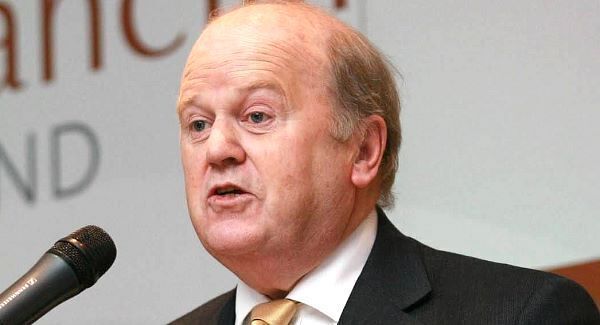
Finance Minister Michael Noonan has dismissed claims the economy will be hit by a cross border exodus of shoppers over the 2% VAT hike which will come into effect on January 1.
Designed to bring in €670m, trade unions claimed it would further hurt hard-hit families and the low paid while high street stores warned it would shatter already weak businesses.
The VAT increase, to 23%, will also apply to alcohol from January 1 and to petrol and diesel pushing up the cost of a litre by about 4 cent in the New Year. Motor fuel is currently cheaper in the Republic than in the North.
But Minister Noonan insisted that the VAT difference north and south will not drive people over the border.
“For the majority of the past 20 years, the VAT differential between the Republic and Northern Ireland has been 3.5% and it was as high as 6.5% as recently as 2009,” he said.
“After the increase the differential will be 3%. I do not expect an increase in cross border shopping as a result of the VAT increase.”
Mr Noonan also denied claims by opponents of the 2% VAT rise that it will increase household costs by €500 a year.
“I am informed that their calculation is incorrect as they did not take into account that businesses contribute significantly to the estimated yield,” he said.
Frank Gleeson, chairman of Retail Ireland, said shoppers will be put off spending.
“Retail sales have fallen by over 20% since 2008 due to the recession and price reductions. At the same time the savings ratio has increased from approximately 2% to 12% due weak consumer confidence,” he claimed.
The lobby group called on the minister to review the impact of the increase in March.
John Douglas, Mandate general secretary, claimed the Government missed the opportunity to right the wrong done by the last Government and give lower paid workers a significant break at this difficult time.
“VAT is going up by 2% – which will adversely affect business in the retail trade where our members work – and the price increases brought about by this change will hit those on lowest incomes the hardest as they spend nearly all of their incomes,” the trade union leader said.
Mr Noonan also rejected claims that household heating oil would be hit by the rise.
“It should be borne in mind that most food, children’s clothes, oral medicines and other goods and services will remain at the zero VAT rate,” he said.
“The 9% rate introduced in the Jobs Initiative for certain services and the 13.5% rate that applies to home heating oil, residential housing, general repairs and maintenance will remain the same.”
Sean Moynihan, chief executive of the Alone anti-poverty charity, said: “The VAT rise of 2% may not seem much to many but it is a lot to those who have the least, such as the one in 10 older people at risk of poverty.”
CONNECT WITH US TODAY



Be the first to know the latest news and updates