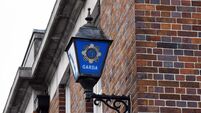
Accused sought treatment a month before alleged murder
A Meath man accused of murdering his friend, told a doctor he wanted treatment for alcohol addiction one month before the alleged murder, the Central Criminal Court has heard today.
John Mooney (aged 29), also known as John-Paul, with an address at Trim Rd, Summerhill, Co Meath, has pleaded not guilty to murdering Thomas Canning (aged 42), also from Summerhill, at Lough Lene, Collinstown, Co Westmeath on August 30, 2007.
He has pleaded guilty to the unlawful killing of Mr Canning.
Dr Joseph Clarke told prosecuting counsel Michael Durack SC that he has known the accused since he began his practice in Summerhill over twenty years ago.
He said that he last saw John Mooney on July 30, 2007, one month before the alleged murder.
Mooney told him that he had recently returned from London and had been drinking heavily.
“He said that he wanted to get off the drink and wanted to be admitted to Cluain Mhuire Treatment Centre.”
Dr Clarke told the jury that he gave Mooney medication to alleviate the symptoms of alcohol withdrawal.
Dr Gerard Maher told the court that he had a private consultation with Mooney on the morning of August 30 at Mullingar Garda Station.
Mooney said to Dr Maher that he had had some cannabis at the campervan the night before and that he had “wrapped it in rizla paper and swallowed it as he knew the guards were coming to the scene”.
Dr Richard Lynch of the Midlands Regional Hospital told the jury that Mooney told him he had “drank seventeen cans of beer and had been having line after line of cocaine, approximately an ounce of cocaine... and smoked three joints.”
Mary O’Connor is a forensic scientist at the forensic psychiatry laboratory with the Department of Justice.
She told the jury that she examined various items recovered from the scene of the alleged murder, including nasal swabs from Mr Canning, Mr Canning’s library card and a small plastic pouch.
She said that there were traces of the drug lignocaine on each of these items and no traces of cocaine. Lignocaine is a local anasthetic, often used to “dilute cocaine”, said Ms O’Connor.
“It is frequently used as an adulterant or mixing-agent.”
Ms O’Connor agreed with defence counsel Patrick Gageby SC that “agitation, anxiety and apprehension are three things that can come from adverse reactions to lignocaine.”
The trial continues.