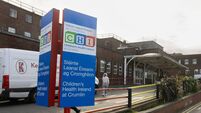
Rising MRSA blamed on 'production-line' medicine
Production-line medicine is to blame for rising rates of the deadly MRSA superbug infection in the North’s acute hospitals, according to research published today.
Pressure on managers and doctors to meet targets on the numbers of patients treated was one of the causes.
Essentially, the NHS was like a car being driven too fast and “beginning to fall apart”, the research warned.
A probe into the level of MRSA infection in 12 hospital trusts showed that it was directly related to high bed occupancy and fast turnover of patients.
The University of Ulster research also said that hospitals with the highest rates of MRSA infection had the greatest shortages of cleaning staff and nurses.
The Belfast City Hospital – one of the worst affected by MRSA – had a cleaning staff which had been slashed to just 25% of what it was ten years ago, it said.
Brian Cunningham from the University’s Faculty of Life and Health Sciences said: “We have ended up with a production line service. Managers and doctors feel under pressure to meet government targets and are treating more patients and treating them faster.”
But he said they should not be treated in such a way. They could get complications and need to stay longer, putting more pressure on beds.
Mr Cunningham said part of the problem was that there were not enough acute hospital beds.
As a result the occupancy rates were well above the recommended level and the interval between one patient leaving a bed and another taking it over was too short.
“If you have a shortage of nurses or cleaners then you wonder if the interval between one patient being discharged from the ward and another being put in the same bed is long enough for proper anti-infection measures to be put in place,” he said.
The National Audit Office set an upper limit of 82% bed occupancy in acute hospitals, but most of the North’s hospitals exceeded that, said Mr Cunningham.
“When you have high occupancy rates and low turnover intervals combined, then MRSA rates increase to a level beyond what could be expected by chance alone.
“Our research showed there is a direct relationship between these factors,” he added.
The research – published in this week’s Journal of Hospital Infection – showed the problems dated back to the 1980s when nursing recruitment fell and some hospitals began outsourcing cleaning services.
More recently, systems had been added which meant an increased number of patients being treated in hospitals.
Figures for 2002/2003 show that MRSA infection was highest in Belfast’s Mater Hospital, followed by Belfast City Hospital and the Ulster Hospital.
All had high occupancy rates – 94.8%, 85.5% and 89.9% respectively – well in excess of the 82% limit, and bed turnover took an average of half a day, said the research.
Mr Cunningham said that according to 2005 figures the City Hospital had the equivalent of 40 full-time cleaners whose duties took in the whole hospital and not just acute wards.
In 1995, the hospital had the equivalent of 155 full-time cleaners.

CONNECT WITH US TODAY



Be the first to know the latest news and updates