Young people ‘crowdsourcing self-esteem’ on social media
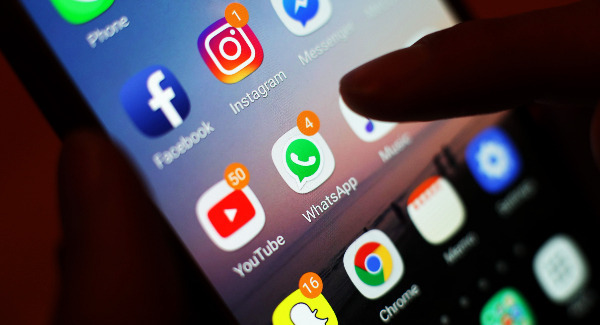
A number of senators are moving to stop proposals to reduce the digital age of consent from 16 to 13 over fears it will put children at risk.
The digital age of consent is the age at which a person can consent to the terms and conditions of online companies and service providers, including creating an email account, a Facebook or Twitter page.
EU countries will be required to set a digital age of consent under new laws due to take effect in May.
Speaking in favour of retaining the age of 16, cyberpsychologist Dr Mary Aiken said technology opens up the world to a child but allows the world to target a child.
She claims there had been a surge in anxiety, eating disorders, mood disorders, and low self-esteem in the past 25 years which “in many cases these are connected to use of social media”.
“Young children are crowdsourcing self-esteem on these platforms at an age where they are not psychologically or cognitively robust enough to deal with the consequences of this level of exposure.”
Thanks to @maryCyPsy and @BarryOSullivan for addressing an Oireachtas briefing I hosted today on Digital Age of Consent and why it should be set at age 16 not 13 #dataprotection pic.twitter.com/OfXazI7wYM
— Michael McDowell (@SenatorMcDowell) February 15, 2018
Senator Michael McDowell, who is among a number of senators bringing forward an amendment to the Data Protection Bill 2018, said: “We are of the view that this has very significant implications, which haven’t been properly debated in the public.”
UCC Professor Barry O’Sullivan said the age of consent centres around access to personal data: “It is about the age that we are comfortable with young people having the power to consent to give their data to social media companies, for example, and have it profiled.
"What profiling basically means is that if you sign up to a service, Facebook, Twitter, whatever, that service is free to you because the company uses your data, uses your preferences, uses your photographs and everything to basically present advertising to you, recommend other friends to you, so it is that whole business around commercialising your likes, preferences, personality and so on.
"Storing them and selling them. The real question here is at what age can somebody reasonably enter into such an agreement?”