Simon Harris: No abortion in cases of disability
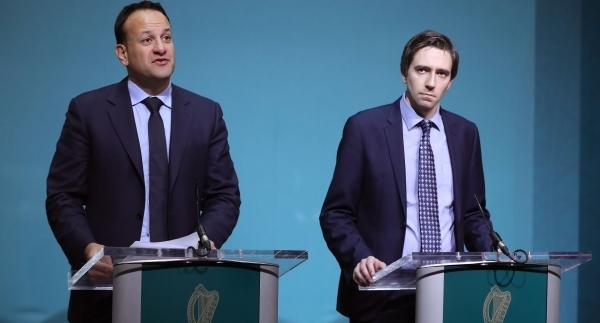
Mr Harris, who is to bring the outline of what laws would replace the 1983 amendment, said he would follow the recommendations of the Oireachtas Committee, which argued against allowing for abortion in cases of disability.
“The committee was absolutely clear that this was not grounds for an abortion and the legislation will be in keeping with that, absolutely not,” he said.
Mr Harris said that while he cannot give an explicit guarantee as to what legislation would follow, he would be aiming to legislate for abortions up to the 12th week of pregnancy.
He said any laws which are put through the Oireachtas are subject to amendments and changes.
“The plan put forward by the committee is workable. What I will be putting before the Dail will be in line with the committee’s recommendations,” he said on RTÉ’s The Week in Politics.
“What absolutely unites us, is that there can be no change in no circumstance if we keep the Eighth Amendment in our Constitution.
“If the people decide to keep the Eighth Amendment, the rest of the argument is hypothetical.”
Fianna Fáil Waterford TD Mary Butler believes the status quo should remain, and she fears the current proposals will lead to abortion on demand in Ireland.
Her party leader, Micheál Martin, speaking on RTÉ radio, said his party will enjoy a free vote not just on the referendum question but on the subsequent legislation, should the people decide to repeal.
“Let’s be clear, freedom of conscience applies all the way through to the legislature,” he said.
He also agreed that no guarantees can be given on the exact form of legislation would come into effect should the people decide to repeal the amendment.
“There can never be absolute certainty to the exact content of legislation,” he said. “But if the Government produces the heads of bill, then the people should have sufficient clarity as to what would replace Article 40.3.3.”
Meanwhile, leading medical and legal experts have said Tánaiste Simon Coveney’s alternative plan to abortion on request up to 12 weeks is unworkable and would retraumatise victims of rape.
Mr Coveney has proposed that, in the event of the amendment being repealed, GPs would have to sanction a termination in cases of rape.
His stance is at odds with both Taoiseach Leo Varadkar and Mr Harris, who favour the Oireachtas committee on the Eighth Amendment’s finding that it would not be practical to legislate for cases of rape.
Experts who appeared before that committee have criticised Mr Coveney’s proposal as unworkable.
Peter Boylan, the former master of the National Maternity Hospital, said he disagreed with Mr Coveney’s claim that requiring a rape victim to seek sanction from a GP for a termination would not retraumatise them.
“A lot of people who have more experience than he would in dealing with women in pregnancies would disagree with that,” he said.