Study highlights lack of hospital trauma teams
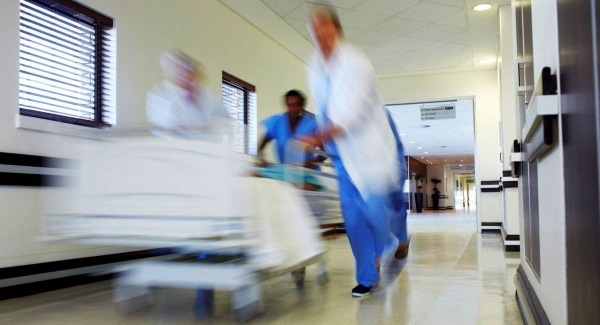
Less than one in 10 critically injured patients are met by a trauma team when they arrive at a hospital.

Study highlights lack of hospital trauma teams

It is one of a number of key findings in a report calling for reform in the provision of trauma services in Ireland.

The National Office of Clinical Audit established the Major Trauma Audit in 2013 to focus on the care of the more severely injured trauma patients.

The MTA’s latest national report is based on 2016 data from 4,426 patients across 26 ‘trauma receiving” hospitals in Ireland.

The clinical lead for MTA is Dr Conor Deasy, a consultant in emergency medicine at Cork University Hospital, who believes reconfiguring trauma care in Ireland will improve the odds of survival by 30%.

“This report highlights the need for change. Patients with major trauma are not being assessed by trauma teams and senior clinicians on arrival to emergency departments,” said Dr Deasy.

“Key investigations and management are being delayed; only one third of patients with head injuries requiring a CT scan received one within one hour in line with best international best practice standards.”

The report says it is crucial that the right patient is brought to the right hospital for the right treatment at the right time.

It also calls for a national definition and standard on what constitutes a trauma team and when such a team should be activated.

Of concern is more than one in every four trauma patients were brought to hospitals that did not have the capacity to deal with their injuries in 2016 and had to be taken to another hospital for ongoing trauma care.

It also emerged that a significant number of patients with severe head injury (45%) did not receive care at a neurosurgical centre.

“We have seen the face of trauma change in recent years from younger males with high energy traumas to now, most commonly, older patients sustaining major trauma from falls at home,” said Dr Deasy.

A high incidence (40%) of significant trauma is sustained by older patients — those aged 65 years and older.

Low falls — falls of less than 2m — were the leading cause of injury for around half of all major trauma patients and 77% of patients were aged 65 and older.

Almost half (47%) of patients were injured in the home — 72% of these patients suffered a low fall.

Nearly six out of 10 (58%) of patients arrived at the emergency department between 4pm and 8am.

Older major trauma patients have more complex medical needs, but the report also found they did not receive the same level of attention or management as younger patients, even though they are more likely to die and suffer higher levels of disability,

Dr Deasy said the work of trauma steering group established by Health Minister Simon Harris was informed by the data collected by the Major Trauma Audit and added that it could also play a leading role in monitoring the impact or re-organisation.

Welcoming the report, the Irish Association for Emergency Medicine said reconfiguration of trauma care delivery in Australia and, more recently, in Britain, had dramatically improved survival and reduced the lifelong burden of injury because patients go the right treatment as soon as possible.

Severely injured patients not receiving optimum level of care

x

More in this section

Lunchtime News

Newsletter

Keep up with stories of the day with our lunchtime news wrap and important breaking news alerts.

Cookie Policy Privacy Policy Brand Safety FAQ Help Contact Us Terms and Conditions

© Examiner Echo Group Limited