Military archives: Civil War victim, 10, could be IRA’s youngest member
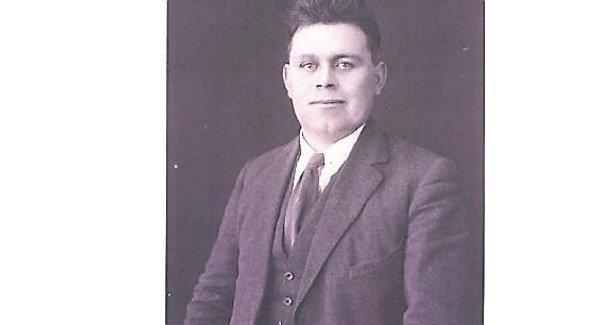
A 10-year-old boy killed in a Civil War shootout in Tipperary may have been the youngest IRA member during the Irish revolution.

Military archives: Civil War victim, 10, could be IRA’s youngest member

Edmund Quirke took a bullet through the head when anti-Treaty IRA in his house and his neighbour’s were engaged in a battle with National Army forces in February 1923.

His IRA service and his death have emerged as he is one of more than 1,600 people whose applications — or those of their families — for pensions, disability or wound allowances, or other payments, are made public for the first time today.

The son of farmer James Quirke was at home in Ashgrove near Bansha when a number of senior IRA figures came under attack there by National Army troops. His death certificate said the cause was a “bullet wound to the head accidentally received”.

In the same attack, south Tipperary Flying Column leader Dinny Lacey was also killed, along with fellow anti-Treaty fighters Michael Ryan, William McGrath, and Patrick McDonough.

The evidence of ex-IRA officers was considered by the Military Service Registration Board before certifying Edmund Quirke’s membership of the IRA in June 1934. He was acknowledged as a member from 1922 up to the date of his death.

The Tipperary TD Dan Breen, one of the most famous figures of the War of Independence, had said the boy was a despatch rider and intelligence officer in the South Tipperary Brigade.

His service as a message carrier was also vouched for by Michael Fitzpatrick, a former quartermaster of the IRA’s 2nd Southern Division.

Quirke’s certificate of IRA service makes him the youngest confirmed member who the Military Service Pensions Collection team at Cathal Brugha Barracks has come across in over 6,500 files processed since 2008.

Michael Fitzpatrick also made inquiries into the circumstance of the boy’s death, but was unable to conclude from which side the bullet that killed young Edmund Quirke was fired.

“There was quite a lot of cross-firing between Byrnes’ and Quirkes’ houses, and from parties of Free State troops from other points,” he wrote almost 11 years after the incident.

James Quirke did not receive a payment under the Army Pensions Acts because he was not dependant on his 10-year-old son.

More in this section

Lunchtime News

Newsletter

Keep up with stories of the day with our lunchtime news wrap and important breaking news alerts.

Cookie Policy Privacy Policy Brand Safety FAQ Help Contact Us Terms and Conditions

© Examiner Echo Group Limited